A 194-Year-Old Tortoise Holds Genetic Secrets to Longevity and DNA Repair
Researchers analyzing the DNA of Jonathan, the world's oldest living land animal at 194 years old, have uncovered 287 genetic variants linked to enhanced cellular repair, cancer suppression, and longevity.
In this piece
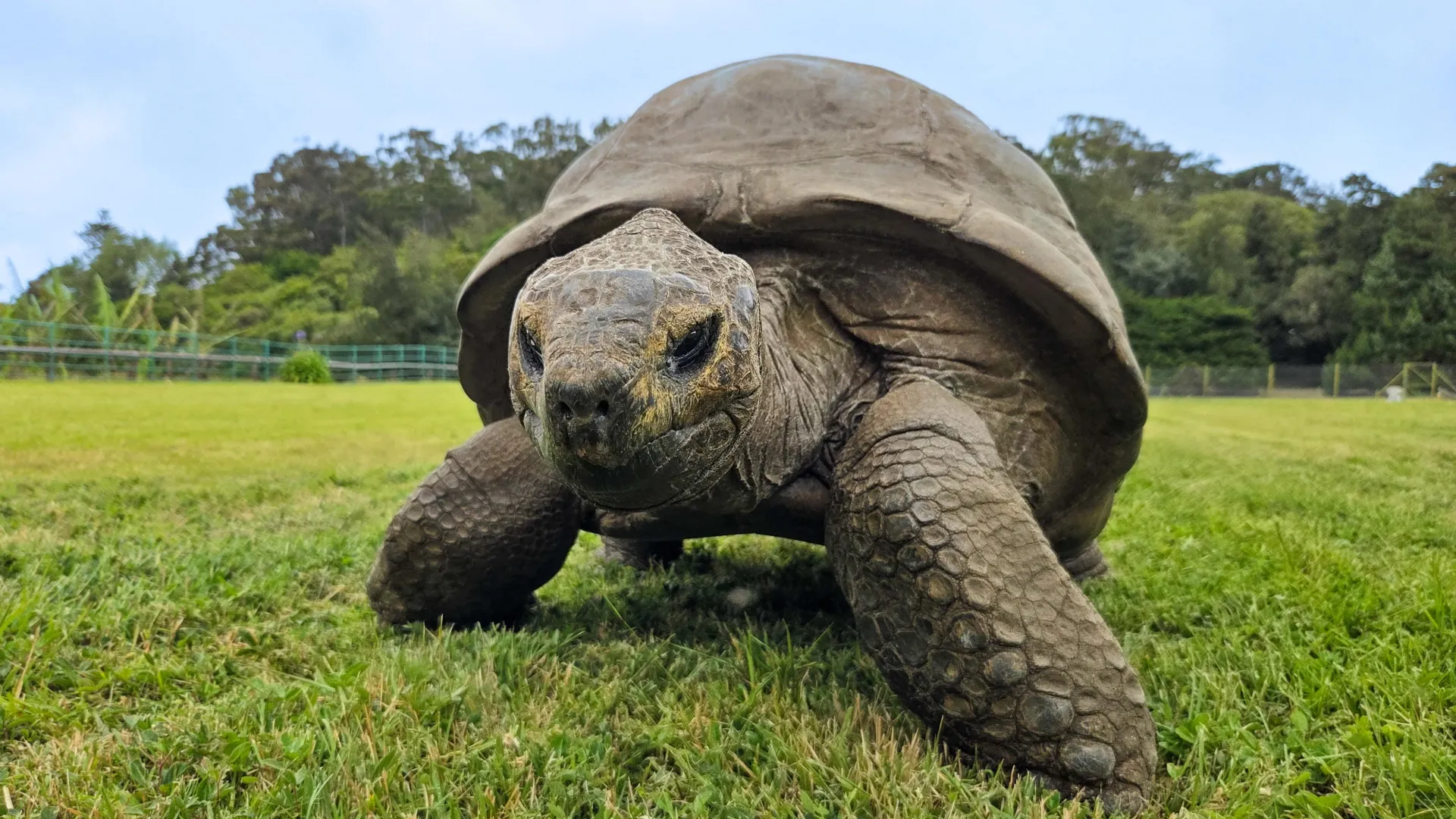
At 194 years old, Jonathan the giant tortoise holds the record as Earth's oldest living land animal. New genomic research has identified 287 unique genetic…
Scientists studying Jonathan, a 194-year-old giant tortoise recognized as the world's oldest living land animal, have identified key genetic adaptations that may explain his extreme longevity. According to researchers, the tortoise's genome harbors specialized biological mechanisms capable of mitigating cellular decay over nearly two centuries.
The findings, reported by ScienceDaily, center on 287 unique genetic variants discovered within the tortoise's genetic code. These specific variations appear to play critical roles in biological maintenance, helping maintain cellular integrity far beyond the typical life expectancy of most terrestrial vertebrates.
Among the primary functions associated with these genetic variants is the enhanced ability to repair damaged DNA. As organisms age, accumulated DNA damage typically accelerates physical decline and triggers biological breakdowns, yet Jonathan's genetic profile indicates an elevated capacity for ongoing molecular maintenance.
In addition to DNA repair, the identified variants are directly linked to pathways that regulate inflammation throughout the body. Chronic, systemic inflammation is widely recognized by biologists as a major driver of age-related disease, suggesting that natural inflammation controls are vital for multi-century survival.
Researchers also highlighted mechanisms tied to insulin regulation, a metabolic pathway consistently linked to lifespan modulation across various animal species. Efficient insulin signaling may allow the tortoise to optimize energy consumption while minimizing cellular stress and metabolic damage over prolonged decades.
Another notable discovery involves genetic traits associated with cancer suppression. Large, long-lived animals face an elevated statistical risk of cellular mutations leading to malignancy, making robust intrinsic tumor-suppression defenses essential for reaching an advanced age of nearly two centuries.
For the broader scientific community, studying species with negligible senescence offers valuable comparative insights into the biological constraints of aging. While humans age through distinct physiological pathways, uncovering how other animals naturally avoid degenerative disorders provides important foundational knowledge for comparative genomics.
Jonathan's record-setting lifespan has long made him a subject of fascination among biologists and naturalists worldwide. Documented as the oldest known living land creature, his survival has provided an unprecedented real-world case study in extreme biological durability.
The identification of these 287 variants represents a significant milestone in decoding the genetic architecture of long-lived reptiles. While scientists emphasize that further research is needed to determine the precise operational mechanics of each variant, the genomic data establishes a concrete baseline for ongoing investigation.
Looking forward, comparative biologists plan to evaluate whether similar genetic safeguards exist in related tortoise lineages or if Jonathan's specific genetic footprint is distinct. As genomic sequencing technologies continue to improve, researchers anticipate gaining a deeper understanding of how these evolutionary traits effectively buffer living tissues against the passage of time.
Primary source: ScienceDaily. Newzly rewrites and structures source reporting for clarity; verify critical details at the original.