COP31 Summit in Turkey Ends in Deadlock as Nations Fail to Reach Deal
The COP31 climate summit in Turkey has concluded without an agreement after participating nations failed to reach consensus. The diplomatic impasse marks a major setback for global climate policy, leaving delegations to weigh their next steps.
In this piece
The COP31 climate summit in Turkey has drawn to a formal close after countries failed to reach a consensus deal. The diplomatic stalemate leaves key…
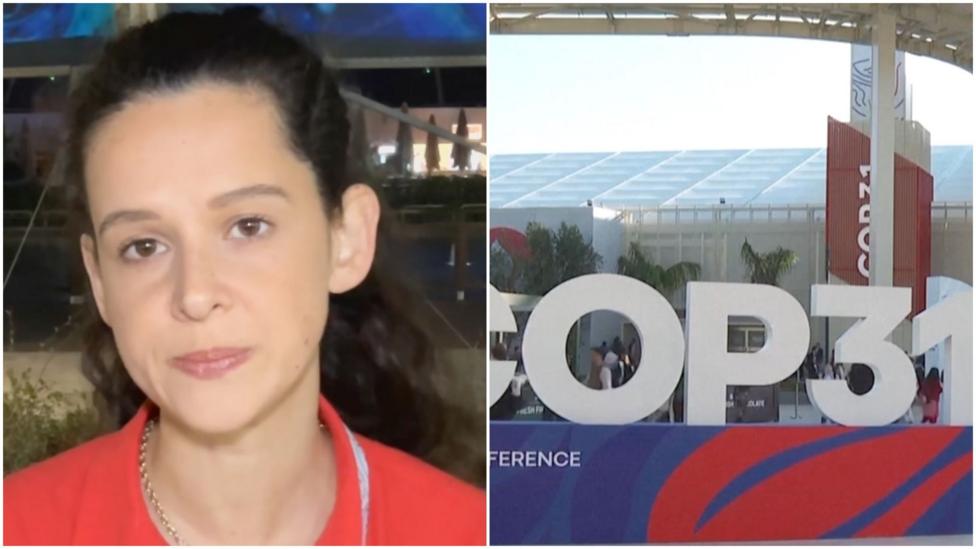
The COP31 international climate summit hosted in Turkey has formally concluded without an agreement, ending days of multilateral negotiations in deadlock. Participating nations failed to reach consensus on a final declaration before the conference drew to a close, leaving the high-profile gathering without an adopted outcome document.
The summit's conclusion marks a rare and significant impasse for United Nations climate diplomacy, where delegations traditionally labor through overtime sessions to produce joint texts. As the formal proceedings wrapped up, officials and national delegations prepared to leave without the customary consensus pact that outlines shared international climate objectives.
Multilateral climate conferences operate on a consensus-driven framework, meaning that an objection from even a small coalition of governments can derail a negotiated treaty or joint agreement. Across annual summit cycles, participating countries routinely face sharp divisions over critical issues, including the pace of fossil fuel phaseouts, national emissions reduction trajectories, and financial assistance mechanisms for vulnerable regions.
While full procedural details regarding the exact final stumbling blocks remain closely guarded in the wake of the conference, international climate summits frequently fracture along familiar economic fault lines. Wealthier industrialized nations and developing states often struggle to reconcile historical emission obligations with the scale and structure of transition funding, creating persistent diplomatic friction that can stall draft agreements.
The failure to strike a deal at COP31 introduces considerable uncertainty for international climate policy and long-term regulatory planning. Global industries, clean-technology developers, and financial institutions closely monitor UN summit communiqués for market signals, using collective declarations to inform investment horizons and corporate decarbonization timelines.
For global governance advocates, the lack of an outcome in Turkey highlights the mounting strain on international climate diplomacy amid complex geopolitical and macroeconomic pressures. When collective frameworks fail to deliver unified accords, concern grows that international climate momentum could splinter into fractured regional policies or bilateral agreements with varying levels of ambition.
Without a centralized global deal guiding national action plans, individual governments will face intense scrutiny over how they navigate their domestic environmental agendas. Observers anticipate that regional coalitions and individual states may be forced to rely on unilateral targets and localized legislation to sustain decarbonization initiatives in the absence of a shared global blueprint.
The breakdown of talks also deepens apprehension among climate-vulnerable communities and environmental organizations that depend on global summits to hold high-emitting countries accountable. Without an enforceable multilateral agreement coming out of the summit, advocacy groups warn that critical timelines for adaptation support and climate resilience measures risk facing indefinite administrative delays.
In the wake of the inconclusive summit, attention shifts toward the diplomatic and procedural steps required to salvage stalled negotiations. The United Nations climate secretariat and technical working groups are expected to convene intersessional meetings and lower-level diplomatic consultations to determine how key agenda items will be addressed ahead of subsequent global gatherings.
Moving forward, participating nations face the challenging task of rebuilding trust and addressing the divisions that prevented a deal in Turkey. As governments reassess their negotiating strategies, the coming months will test whether multilateral climate diplomacy can recalibrate after a major summit concluded with no resolution in hand.
Primary source: BBC Science. Newzly rewrites and structures source reporting for clarity; verify critical details at the original.