Akhilesh Yadav Accuses Uttar Pradesh Officials of Operating as BJP Functionaries Ahead of Polls
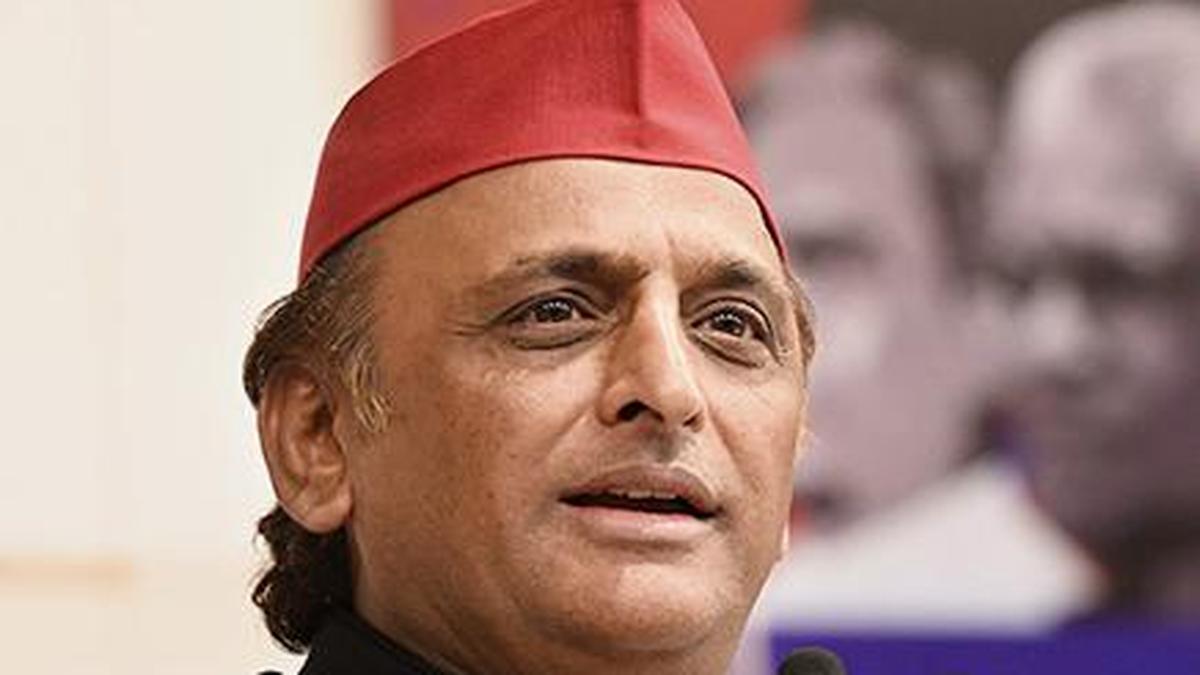
Samajwadi Party chief Akhilesh Yadav has alleged that several government officials in Uttar Pradesh are acting as functionaries for the ruling Bharatiya Janata Party ahead of elections, urging greater scrutiny of bureaucratic neutrality.
In this piece
Samajwadi Party president Akhilesh Yadav accused government and police officials in Uttar Pradesh of functioning like ruling party workers ahead of upcoming…
Samajwadi Party leader Akhilesh Yadav has accused sections of the Uttar Pradesh administration of functioning as political operatives for the ruling Bharatiya Janata Party ahead of upcoming elections in the state. Speaking on the conduct of civil servants and law enforcement personnel, the former chief minister alleged that certain government officials are compromising administrative neutrality to assist the ruling party's electoral machinery. The remarks, reported by The Hindu, reflect mounting friction between the opposition and state authorities as campaign preparations intensify across Uttar Pradesh.
According to the statements, Yadav characterized the conduct of select officials as indistinguishable from that of party functionaries assigned to advance partisan interests. He asserted that such partisan alignment undermines the integrity of democratic processes and skews the level playing field required for free and fair elections. While the public report highlighted the broad grievance against civil and police officials, opposition leaders have frequently argued that administrative bias manifests in selective enforcement and voter intimidation.
The conduct of state bureaucracy during election periods remains a central issue under Indian electoral jurisprudence and Election Commission guidelines. Once elections approach or the Model Code of Conduct takes effect, the Election Commission of India assumes supervisory authority over administrative transfers and disciplinary matters. Opposition parties routinely scrutinize bureaucratic appointments to ensure that field officers, including district magistrates and police chiefs, execute their duties without institutional favoritism toward the incumbent government.
Uttar Pradesh represents India's most populous state and a critical electoral battleground where state and national political fortunes frequently intersect. The Bharatiya Janata Party has governed the state under Chief Minister Yogi Adityanath, while Yadav's Samajwadi Party serves as the primary challenger seeking to consolidate anti-incumbency sentiment. In high-stakes electoral contests across the state, debates over the alleged politicization of police and civil services have repeatedly emerged as central talking points.
Opposition groups have increasingly focused on organizational oversight at the constituency level to detect and document administrative irregularities. Leaders frequently urge party cadres and booth-level agents to compile detailed records of perceived bureaucratic misconduct or unfair administrative interference. By raising these allegations publicly in the run-up to polling, opposition strategists aim to put supervisory authorities on notice and rally their core voter base against perceived institutional pressures.
Under established constitutional norms, political parties dissatisfied with administrative conduct can submit formal representations to the Election Commission of India. The poll panel possesses broad powers to order inquiries, transfer controversial officials, and demand explanations from state authorities accused of partisan behavior. The efficacy of these institutional checks often depends on the specificity of formal complaints and the supporting documentation furnished by aggrieved parties.
The neutrality of civil servants and law enforcement officers is fundamental to sustaining public confidence in the electoral apparatus. When allegations arise that state machinery is operating on behalf of a governing party, it raises concerns regarding voter access, peaceful assembly, and the fair administration of polling booths. Analysts note that maintaining transparent administrative conduct is essential to prevent widespread disputes and legal challenges following electoral outcomes.
For its part, the ruling establishment typically rejects opposition accusations of administrative bias, framing them as preemptive excuses for impending electoral defeat. Government representatives often emphasize that administrative transfers and law enforcement operations follow standard governance protocols rather than partisan agendas. In previous instances of friction, state authorities have asserted that law and order measures are carried out strictly according to the law without political prejudice.
As election dates approach, political observers anticipate increased scrutiny on administrative actions and official postings across Uttar Pradesh. The Samajwadi Party and other opposition groups are expected to pursue formal complaints through institutional channels to press for administrative oversight and potential transfers. The coming weeks will reveal whether regulatory bodies intervene to address these grievances or whether disputes over administrative conduct will continue to dominate the campaign narrative.
Primary source: Google News Uttar Pradesh. Newzly rewrites and structures source reporting for clarity; verify critical details at the original.