Congress Sweeps Rajasthan Local Polls as BJP Suffers Historic Rural Defeat
The Bharatiya Janata Party recorded its worst Rajasthan Zila Parishad performance in thirty years as the opposition Congress captured 599 seats and dominated rural polls across 33 districts.
In this piece
Official election data shows the Congress secured a decisive victory across Rajasthan rural local body elections, winning 599 Zila Parishad seats to the BJP's…
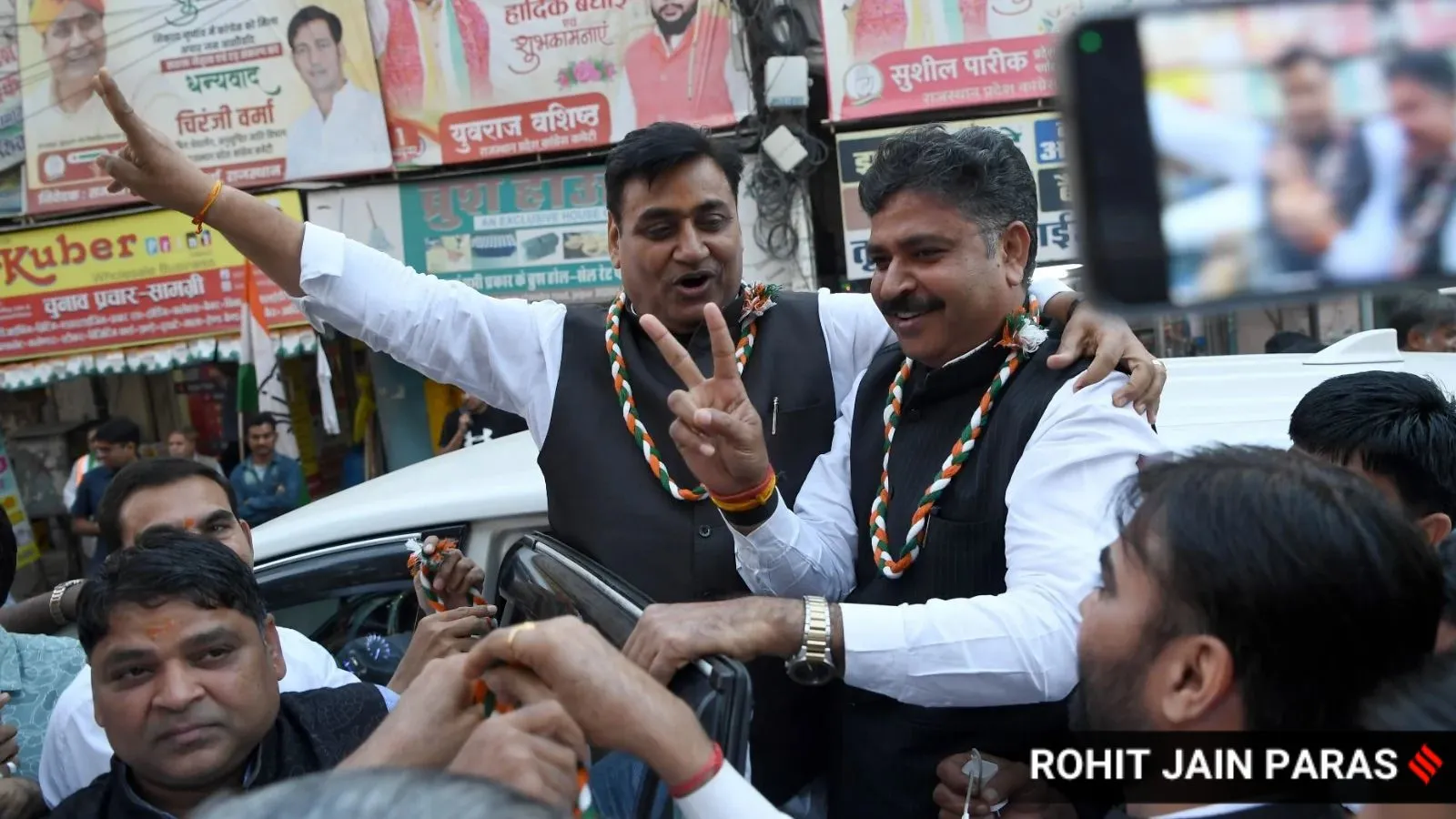
The Bharatiya Janata Party has suffered its steepest electoral setback in rural Rajasthan in decades, according to official State Election Commission data analyzed following local body elections. The opposition Congress swept both the Zila Parishad and Panchayat Samiti contests, handing the ruling party its worst Zila Parishad performance against Congress in thirty years.
In the Zila Parishad member contests conducted across thirty-seven districts, Congress secured a commanding tally of 599 seats compared to just 301 seats won by the BJP. The results for Panchayat Samiti elections reflected a similar trajectory, where Congress candidates claimed 3,701 seats while the BJP lagged behind with 2,181 seats.
The electoral reversal was broad-based across rural administrative tiers rather than confined to isolated regions. Congress outperformed the ruling party in 33 out of the 37 districts where vote counting occurred, demonstrating an expansive grassroots footprint across the state's rural network.
The outcome delivered direct blows to key ruling party strongholds and heavyweight political figures. The BJP encountered severe reverses in the home district of Chief Minister Bhajan Lal Sharma, Bharatpur, as well as within his legislative constituency base of Sanganer and across several regions represented by senior cabinet ministers.
Election records maintained by the State Election Commission indicate that the scale of this defeat represents the BJP's sharpest Zila Parishad collapse in at least three decades. Additionally, the party's deficit in the Panchayat Samiti tallies marked its poorest showing in sixteen years, reversing past rural gains achieved during previous local body cycles.
Beyond the primary contest between Congress and the BJP, smaller regional entities managed to leave an imprint on local tallies. The Rashtriya Loktantrik Party and the Bharat Adivasi Party captured scattered seats in their traditional pockets of influence, underscoring localized voter fragmentation in select tribal and agrarian belts.
The results bring fresh scrutiny to Rajasthan's persistent electoral divide, where grassroots rural voters have historically demonstrated different priorities from urban constituents. Political analysts observe that the outcome reflects rural voter dissatisfaction and anti-incumbency sentiments against the state administration, particularly surrounding agricultural concerns, local governance delivery, and unfulfilled policy assurances.
State leaders from the Congress party framed the verdict as a definitive popular rebuke against the state government's performance. Party spokespersons asserted that rural communities felt neglected under current state policies and used the local ballot to send an unmistakable signal regarding grassroots grievances.
For Chief Minister Bhajan Lal Sharma and the state BJP leadership, the sweeping rural defeat prompts an immediate internal review of organizational outreach and welfare distribution. With upcoming legislative benchmarks approaching, ruling party strategists face increasing pressure to recalibrate rural messaging and repair grassroots alliances ahead of future electoral battles.
Primary source: Google News Rajasthan. Newzly rewrites and structures source reporting for clarity; verify critical details at the original.