Alaska election and Nvidia claims lack supporting reporting
A supplied news-feed entry attributes two major claims to NPR but includes no underlying reporting, publication date or supporting evidence. Neither claim can be established from the material provided.
In this piece
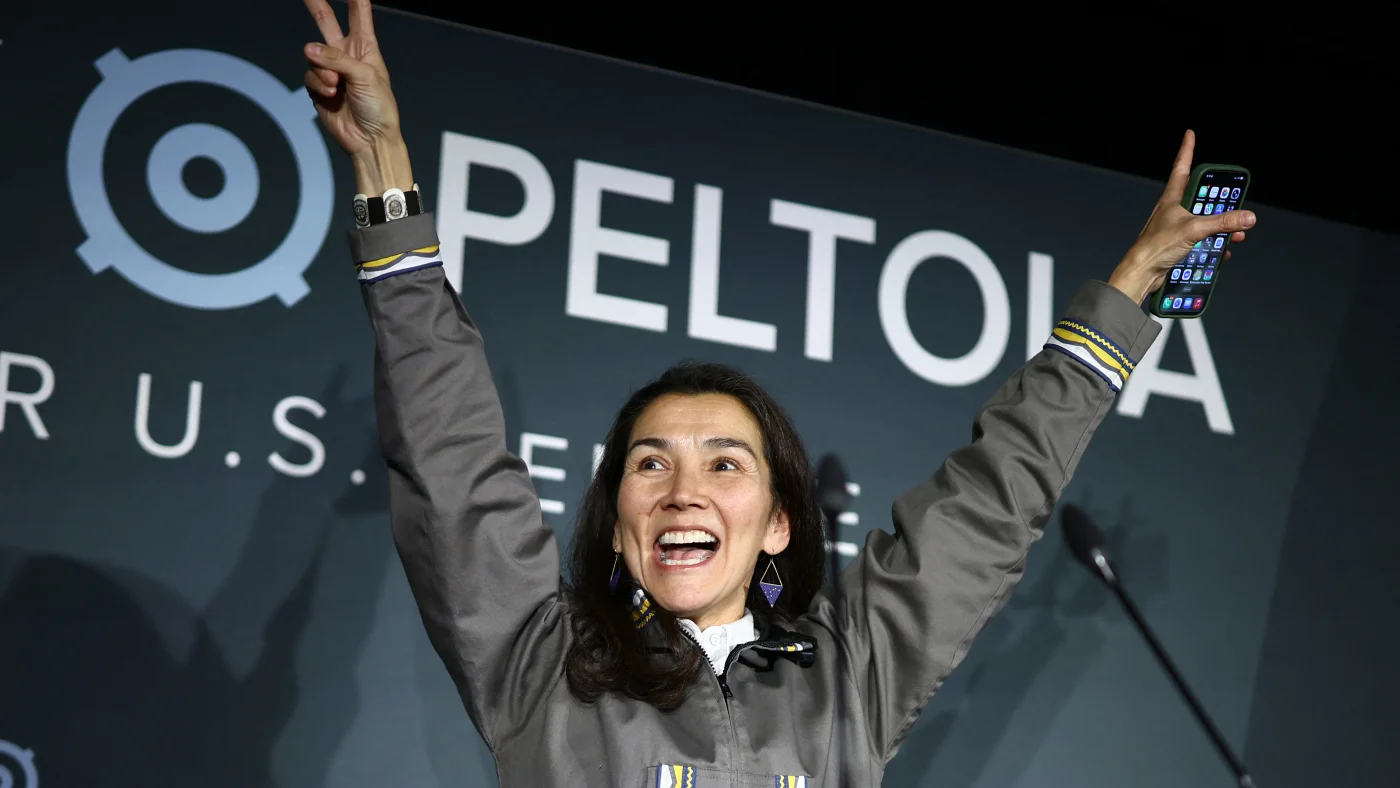
A headline in a Google News feed claims Mary Peltola flipped an Alaska Senate seat and Nvidia would not reinstate Jensen Huang. The supplied content repeats…
A supplied news-feed entry claims Mary Peltola has flipped an Alaska Senate seat and that Nvidia will not reinstate Jensen Huang, but it provides no reporting to substantiate either assertion. The material consists of a headline, an NPR attribution and a Google News link rather than the underlying article.
The entry’s summary and content fields repeat the same linked headline. Neither contains an election result, a corporate announcement, an explanation of the events described or statements from anyone involved. That leaves no independent detail within the supplied material against which to assess the headline’s accuracy.
The Alaska claim is consequential because it describes a change in control of a U.S. Senate seat. However, the entry does not identify an election date, an opponent, a vote count or the basis for declaring a winner. It also provides no explanation of the seat or contest to which it refers.
Those omissions prevent the wording about Peltola from being treated as an established election result. A headline alone cannot resolve whether an entry accurately describes a race, confuses different elected offices or contains an error. The supplied text does not offer enough information to determine which explanation applies here.
The Nvidia assertion has a separate evidentiary problem: saying a company will not reinstate someone presupposes an earlier departure or removal. The entry supplies no account of such an event involving Huang, no decision-making timeline and no company statement. It therefore does not establish either the premise or the claimed subsequent decision.
The attribution to NPR also requires verification against the original publication. A publisher’s name appearing beside a headline in a feed is not, by itself, sufficient to establish that the publisher reported the wording exactly as supplied. The Google News address identifies a route to a linked item, but the provided text does not reveal the original article’s contents.
There is also no publication date in the supplied entry, making it impossible to place either assertion in a reliable chronology. That matters for both election coverage and corporate leadership reporting, where an older development, an updated account or a misleadingly presented headline can produce a substantially different understanding. None of those possibilities can be resolved from this excerpt.
The next step is to obtain the original report and check its headline, date and supporting evidence before publishing either claim as news. Any election assertion would need confirmation of the office and result, while the Nvidia assertion would need documentation of the leadership events it describes. Until that reporting is available, both claims remain unverified on the supplied record.
Primary source: Google News Alaska. Newzly rewrites and structures source reporting for clarity; verify critical details at the original.