culture·New York·New York County
Amy Poehler Unearths Comedy and Academic Rivalry in Peacock's Ancient Greece Series 'Dig'
Peacock is set to release 'Dig,' a new comedy series starring Amy Poehler as an archaeologist in Greece who unearths an ancient statue, prompting real-world researchers to examine how television portrays their field.
In this piece
Amy Poehler reunites with Michael Schur in Peacock's upcoming archaeological comedy series 'Dig,' adapted from Kate Myers' 2023 novel 'Excavations.' Premiering…
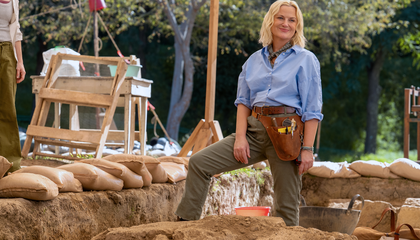
Peacock is bringing ancient history and workplace comedy together with the premiere of "Dig," a new television series starring Amy Poehler as an archaeologist working at an excavation site in Greece. The project marks another creative collaboration between Poehler and television producer Michael Schur, following their celebrated partnership on "Parks and Recreation." All ten episodes of the inaugural season are scheduled to become available for streaming on November 23.
The series is adapted from author Kate Myers' 2023 novel "Excavations," which set interpersonal workplace rivalries and academic ambition against the sun-bleached backdrop of a Mediterranean archaeological trench. In the television adaptation, Poehler portrays Elise, a dedicated field researcher serving as the long-tenured second-in-command to her mentor, played by Hugh Laurie. Their routine excavation takes a dramatic turn when the team unearths an extraordinary, monumental ancient statue.
Rather than remaining a quiet scholarly triumph, the unearthing quickly spirals into broader conflict, pulling the dig crew, university volunteers, and local authorities into an unexpected international mystery. The narrative blends the mundane realities of fieldwork—such as heat, administrative bureaucracy, and sorting pottery sherds—with heightened dramatic stakes. The resulting story examines how the discovery of ancient material culture can alter personal loyalties and institutional priorities.
As the series approaches its debut, real-world archaeologists and classical historians have turned a keen eye toward how popular television represents their discipline. Popular culture has historically alternated between swashbuckling treasure-hunter tropes and arid academic stereotypes when portraying antiquities research. Features exploring the show, including commentary published by Smithsonian Magazine, have examined the degree to which "Dig" captures authentic field methodology versus comedic caricature.
Practicing archaeologists frequently note that genuine excavations require meticulous cataloging, rigorous scientific recording, and strict compliance with national cultural heritage protections. While cinematic depictions often emphasize spontaneous gold discoveries or immediate commercial value, contemporary field teams operate under stringent conservation laws designed to preserve context. Observers point out that portraying the collaborative, often unglamorous labor of a dig offers a refreshing departure from traditional cinematic cliches.
The premise of uncovering a high-profile antiquity in Greece also touches on long-running discussions within international cultural heritage and museum ethics. In real excavations, major discoveries typically trigger extensive government oversight, legal declarations, and international scholarly scrutiny rather than covert maneuvering. By integrating themes of ownership, provenance, and academic rivalry, the show mirrors some of the genuine ethical debates that accompany prominent classical finds today.
For Peacock, "Dig" represents an ambitious investment in a specialized comedy premise guided by established creative talent. Michael Schur has earned widespread critical acclaim for crafting character-driven ensemble series such as "The Good Place" and "Brooklyn Nine-Nine" that examine ethical philosophy through everyday institutional life. Pairing his structural storytelling with Poehler's comedic timing gives the production a distinct blend of humor and intellectual curiosity.
The intersection of entertainment and academic archaeology also provides an opportunity to stimulate public interest in historical preservation and Mediterranean archaeology. While television viewers are accustomed to dramatic museum heists or ancient fantasy narratives, grounded depictions of fieldwork can demystify how historical knowledge is actually assembled from the ground. Scholars hope the visibility surrounding the series might encourage viewers to engage more deeply with genuine archaeological research and heritage stewardship.
Audiences will be able to judge both the comedic execution and the historical fidelity of "Dig" when the complete ten-episode run arrives on Peacock on November 23. Whether the show satisfies professional archaeologists or simply delivers lighthearted escapism, its launch highlights the enduring fascination with uncovering the ancient past. The response from critics and the scientific community over the coming weeks will likely reveal whether Elise's Mediterranean misadventures resonate as authentic tribute or exaggerated satire.
Primary source: Smithsonian History. Newzly rewrites and structures source reporting for clarity; verify critical details at the original.