Analyzing 12 High-Profile NBA Season Debuts: What Worked and What Didn't
An ESPN analysis by Ben Golliver breaks down 12 high-profile NBA season debuts, evaluating which marquee stars thrived in their new situations and which struggled through opening-week growing pains.
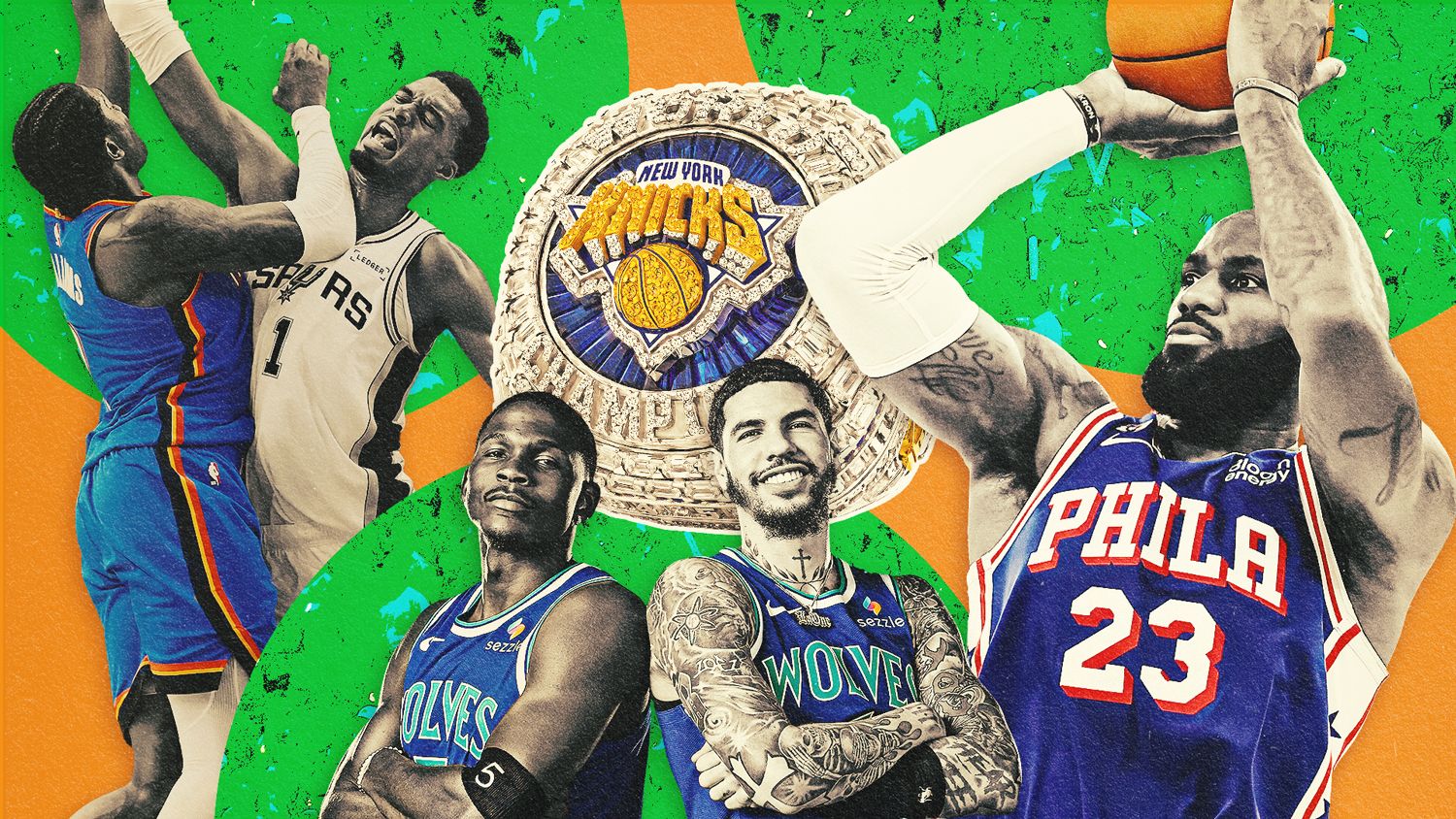
ESPN has published an opening-week evaluation by national NBA writer Ben Golliver examining 12 high-profile season debuts across the league. The comprehensive analysis assesses how marquee stars and prominent newcomers navigated their first competitive outings, highlighting the players who flourished immediately alongside those whose initial showings left lingering questions.
Opening week in the National Basketball Association routinely serves as an intense testing ground for reshaped rosters and shifting team dynamics. Golliver's review focuses squarely on the early returns from twelve pivotal debuts, contrasting immediate tactical successes against performances that revealed early-season friction. The feature captures a familiar early-season tension, where franchise expectations collide with the reality of establishing on-court chemistry under live game conditions.
For players stepping onto the floor in unfamiliar jerseys, the opening games carry outsized scrutiny from fans and analysts alike. Golliver examines how newcomers integrated into new schemes, noting that adapting to fresh personnel and coaching philosophies often produces volatile results. While certain established stars managed to deliver seamless first impressions, others encountered immediate hurdles that demonstrated the steep learning curve associated with roster turnover.
The review encompasses major figures navigating significant milestones, with ESPN's coverage highlighting notable situations such as those involving veterans LeBron James, Kawhi Leonard, and young playmaker LaMelo Ball. Each of these situations brought distinct storylines into the new campaign, ranging from health management and leadership duties to evolving rotational responsibilities. Golliver's breakdown illustrates how the pressure to establish an early rhythm varies drastically depending on a player's career stage and franchise trajectory.
In assessing the debuts that succeeded, the analysis emphasizes the value of defined roles and complementary skill sets. Players who excelled in their season openers largely benefited from clear offensive spacing, decisive decision-making, and defensive buy-in that allowed them to impact winning without overextending. According to Golliver's assessment, early cohesion frequently separated the players who hit the ground running from those struggling to find their offensive footing.
Conversely, the analysis also isolates the debuts that left franchises and players searching for answers. Golliver points to spacing bottlenecks, turnovers, and disjointed half-court execution as recurring themes among the debuts that misfired. For newcomers who found themselves out of sync, the opening slate highlighted how quickly individual rhythm can deteriorate when offensive hierarchies remain unsettled.
The broader significance of Golliver's evaluation lies in navigating the delicate balance between legitimate tactical concerns and early-season overreaction. In an eighty-two game schedule, a single debut represents a minuscule sample size, yet the tactical habits established in week one often preview foundational trends. Analysts and front offices closely watch these initial outings to determine whether early deficiencies reflect temporary timing issues or deeper structural flaws in roster construction.
Coaching staffs across the league inevitably use opening-week film to recalibrate their rotations and schematic approaches. Golliver notes that the transition period for marquee acquisitions rarely follows a linear path, necessitating adjustments to usage rates, set plays, and defensive assignments. Teams that experienced rocky debuts must quickly iterate in practice to prevent early missteps from snowballing into extended slumps.
As the regular season accelerates into November, the twelve players spotlighted by ESPN face an immediate opportunity to rewrite their initial narratives. For the stars who delivered statement performances, the challenge shifts toward sustaining elite production over a grinding calendar. For those seeking a do-over, upcoming matchups offer a prompt chance to steady their rhythm, refine their chemistry, and prove that opening-night setbacks were merely early calibration rather than cause for alarm.
Primary source: ESPN. Newzly rewrites and structures source reporting for clarity; verify critical details at the original.