NBA Contract Talks Shift as Thunder Face Looming Payroll Crunch
NBA front offices are taking a tougher stance in star extension talks as restrictive cap rules take hold, while the Oklahoma City Thunder brace for a potential $500 million payroll dilemma.
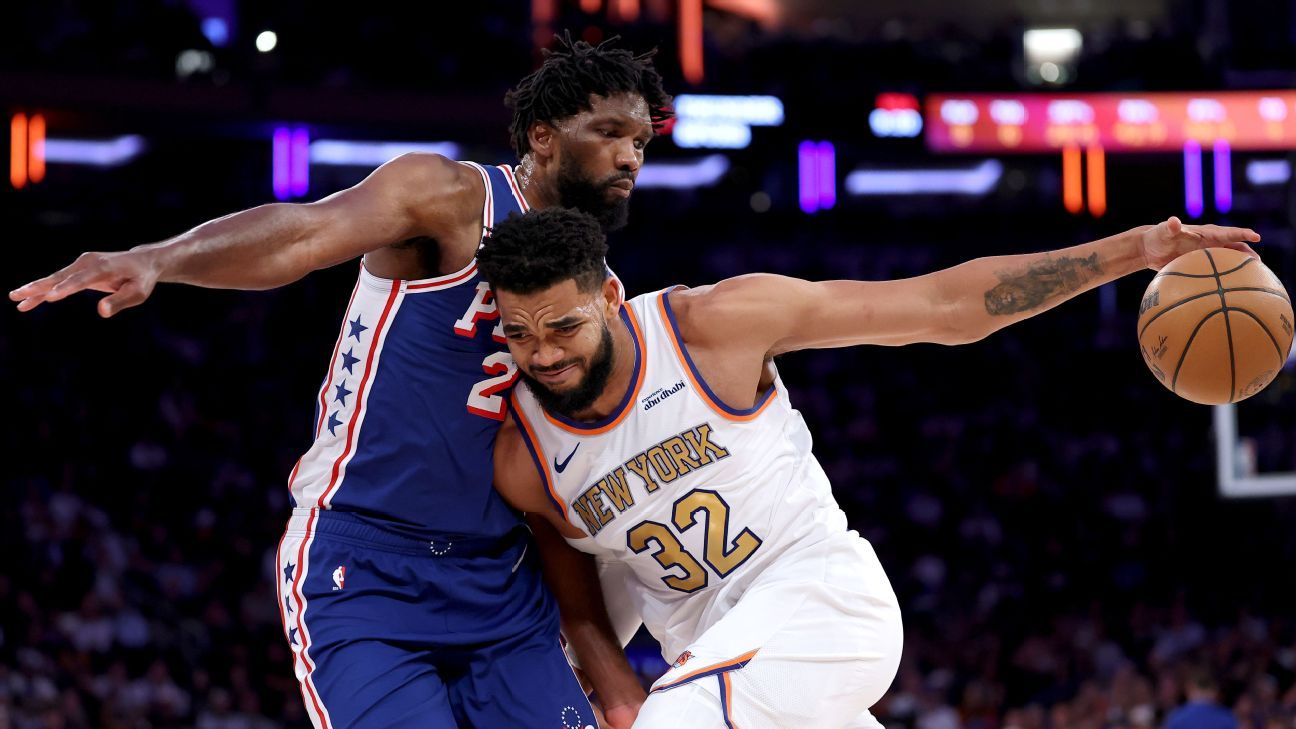
NBA front offices are adopting a noticeably sterner posture in contract extension discussions, signaling a major philosophical shift in how franchises negotiate with star talent. According to league reporting from ESPN, teams across the league are increasingly pushing back against automatic maximum contract demands, choosing patience and leverage over swift commitments.
The shift was demonstrated in high-profile situations during the recent offseason, where established stars encountered unexpected resistance at the negotiating table. Karl-Anthony Towns expressed a willingness to sign an extension with the New York Knicks even below his maximum potential value, yet the organization opted to table talks and let the season play out.
A similar dynamic surfaced in negotiations involving Anthony Davis and the Washington Wizards, where contract discussions were put on hold. While Davis was open to exploring a new deal below his maximum tier, the Wizards front office chose to evaluate early regular-season play before committing long-term money.
Even younger talent entering prime extension windows has encountered this more disciplined environment. Detroit Pistons center Jalen Duren navigated months of difficult and protracted negotiations with team executives throughout the summer before eventually signing a sub-max extension shortly before training camp opened.
Nowhere are the financial realities of the modern NBA more pressing than in Oklahoma City, where the Thunder face an unprecedented payroll crunch. The franchise recently secured guard Cason Wallace on a five-year, $139 million contract extension, underscoring both their exceptional young depth and the steep price required to keep it intact.
With several core players due for massive pay raises alongside existing commitments, Oklahoma City is hurtling toward a projected combined payroll and luxury tax bill that could approach nearly $500 million in coming years. The league's stringent collective bargaining agreement penalizes repeated second-apron spenders with heavy restrictions on trades, draft pick freezes, and roster flexibility.
This dual pressure of luxury tax penalties and restrictive roster aprons explains why front offices can no longer treat extension negotiations as routine formalities. Teams are now forced to weigh the talent of individual players against the punishing mechanical limitations imposed on high-spending rosters, creating friction between management and star players who historically expected immediate maximum offers.
For Oklahoma City, executive Sam Presti must balance a legitimate championship window against the mathematical impossibility of retaining every promising piece indefinitely. Despite holding an enviable war chest of future draft picks, the Thunder will eventually need to make difficult choices about which core contributors to retain and which to trade before tax penalties become overwhelming.
The changing tone of negotiations also alters the leverage dynamics for agents and players across the league. As organizations show a newfound willingness to enter seasons with unresolved contract statuses, players may increasingly be forced to accept team-friendly compromises or test their leverage on the open market.
League insiders anticipate these financial dilemmas will shape the trade market and roster construction strategies throughout the season. How teams handle pending extensions and whether Oklahoma City executes preemptive roster adjustments will serve as a crucial bellwether for franchise building under the modern collective bargaining agreement.
Primary source: ESPN. Newzly rewrites and structures source reporting for clarity; verify critical details at the original.