Anand Mahindra Praises Aizawl for Exemplary Traffic Discipline and Quiet Streets
Industrialist Anand Mahindra praised the exceptional traffic discipline and no-honking culture in Aizawl, Mizoram, calling the city's quiet and orderly streets a valuable lesson in road etiquette for the rest of India.
In this piece
Mahindra Group chairman Anand Mahindra has praised Aizawl for its exemplary traffic discipline, highlighting the hill city's orderly lanes and no-honking…
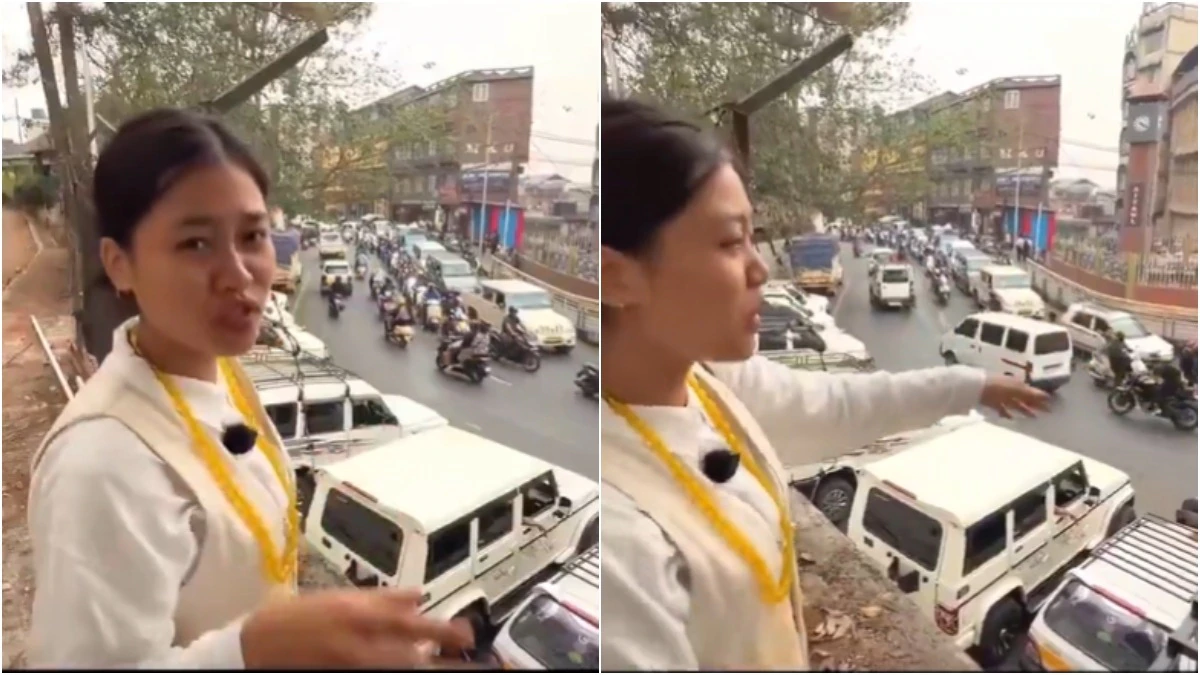
Industrialist Anand Mahindra has once again praised Aizawl, the capital of Mizoram, highlighting the hill city as an inspiring model of traffic discipline and civic etiquette. Sharing visuals of orderly vehicular movement on social media, the Mahindra Group chairman emphasized how local motorists set a high benchmark for urban road culture across India.
Mahindra remarked that quietness and patience have become rare luxuries in bustling metropolitan centers where traffic snarls and aggressive driving are routine. He pointed out that Aizawl's remarkably tranquil streets and adherence to basic road norms make the quest for quiet a compelling reason to visit the city, beyond its scenic topography.
Visuals from Aizawl regularly capture two-wheelers, private cars, and commercial transport waiting in disciplined single-file queues along narrow, winding mountain corridors. Even during peak transit hours or prolonged bottlenecks, drivers consistently refrain from cutting lanes or attempting reckless overtakes, keeping opposing lanes completely clear for oncoming traffic.
A defining feature of the city's transport culture is its widespread rejection of unnecessary honking. Following joint community initiatives and municipal awareness drives that gained momentum around 2017, motorists consciously avoid using their horns, creating an unexpectedly peaceful urban environment and drastically reducing ambient noise pollution.
The geographic setting of Aizawl makes this achievement particularly striking, as the city sits atop steep ridges with limited scope for street widening. Despite rapid growth in local vehicle ownership and challenging terrain, commuters rely heavily on self-regulation rather than round-the-clock physical policing to prevent gridlock.
Sociologists and residents often credit this civic standard to deep-rooted community values, including the traditional Mizo principle of Tlawmngaihna, which champions selflessness, patience, and social responsibility. That cultural emphasis on communal harmony translates directly into shared public spaces, where queue etiquette is treated as a collective duty rather than an imposition.
Across many Indian urban centers, lane indiscipline, persistent honking, and impatient driving continue to worsen traffic jams and fuel frequent road rage incidents. Aizawl demonstrates that sensible motorist habits and peer accountability can mitigate severe transit constraints even in areas where infrastructure expansion is physically impossible.
Municipal administrators, commercial driver associations, and youth groups in the state have played an active role in reinforcing this behavioral standard. Collaborative efforts around designated drop-off points, regulated parking, and courteous driving have allowed transit to function smoothly without requiring draconian penalties or heavy surveillance infrastructure.
As transportation planners across the country seek solutions to mounting congestion, Aizawl's enduring road discipline continues to serve as an instructive case study. Urban mobility analysts note that while engineering and automated enforcement are critical tools, cultivating a community-wide culture of courtesy remains indispensable for sustainable urban transit.
Mahindra’s appreciation has reignited broader public discussions regarding the urgent need for behavioral reform on Indian roads. For commuters and municipal bodies alike, the quiet, orderly streets of Mizoram's capital provide tangible proof that simple patience and mutual respect can transform the daily driving experience.
Primary source: Google News Mizoram. Newzly rewrites and structures source reporting for clarity; verify critical details at the original.