ANC Faces Bruising Defeat in South African Local Elections as Vote Plunges Below a Third
With more than 80 percent of ballots counted, South Africa's ruling African National Congress has seen its national vote share plunge below a third, marking a sharp decline from its 2021 local election performance.
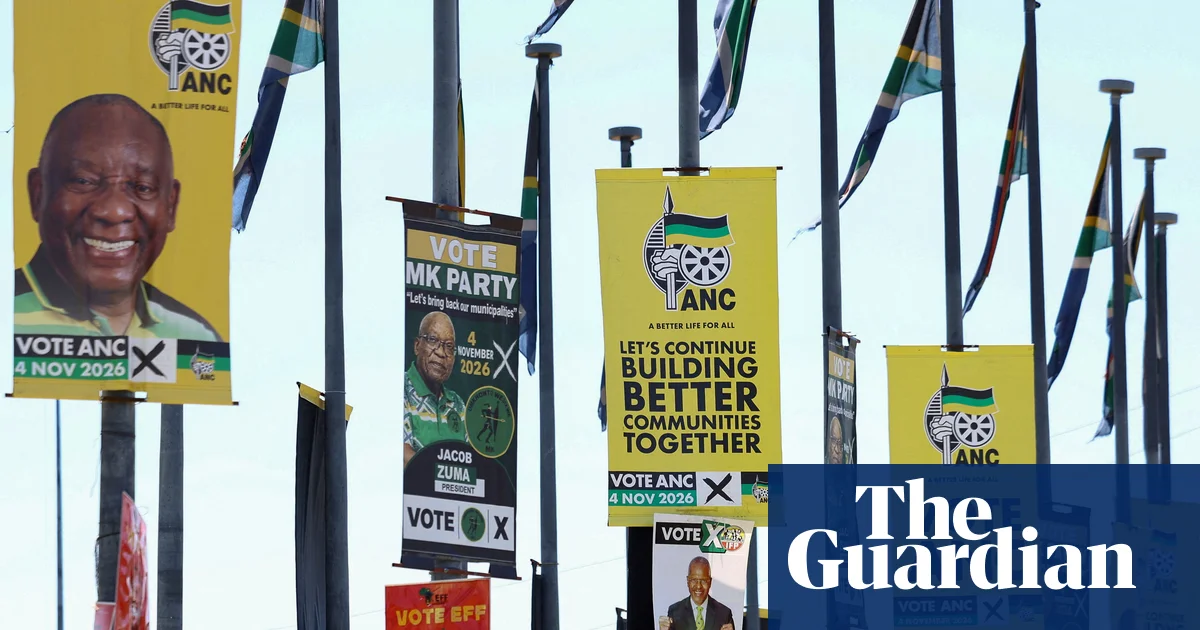
South Africa's African National Congress is on course to suffer a bruising defeat in the country's local government elections, according to preliminary returns. With more than 80 percent of the ballots counted, the former liberation movement has seen its national vote share plunge below a third of the total vote. The outcome points to one of the most difficult electoral performances in the party's post-apartheid history.
The latest figures represent a steep decline compared with the party's standing in previous municipal contests. Early data indicates the ANC's share of the national tally is running nearly 14 percentage points below its result in the 2021 municipal elections. The sharp contraction underscores the rapid pace at which the governing organization has shed voter backing in recent years.
The election outcome marks another significant chapter in the decline of an organization that once commanded near-total dominance over South African politics. As the party of Nelson Mandela, the ANC led the struggle against white minority rule and has governed South Africa continuously since the first multiracial democratic elections in 1994. For decades, the party relied on deep historical loyalty to secure comfortable majorities across national, provincial, and local spheres.
Wednesday's municipal vote demonstrated that this historic bond has frayed substantially, yielding an increasingly fractured electoral map. Rather than rallying behind a single dominant rival, voters across the country dispersed their support among an array of competing political entities. The resulting fragmentation highlights a fundamental transition away from single-party hegemony toward a contested, multiparty landscape.
The electoral backlash follows years of mounting public frustration over worsening socio-economic conditions across South Africa. Citizens have contended with stubbornly high rates of unemployment, widespread poverty, and persistent levels of violent crime. For many communities, daily economic hardship has increasingly overshadowed traditional loyalties to the former liberation movement.
Public anger has been intensified by chronic failures in local governance and essential public utilities. Communities in numerous municipalities have experienced frequent water outages, recurring power cuts, and poorly maintained municipal roads and sanitation. These everyday service delivery breakdowns have made municipal management a primary flashpoint for voter discontent.
Pervasive allegations of corruption and administrative mismanagement have also played a major role in driving voters away from the party. Successive scandals and perceived impunity among municipal officials have diminished public trust in the organization's commitment to clean governance. As local administrations deteriorated, disillusioned residents have increasingly registered their frustration at the ballot box.
Falling below the one-third mark nationally carries sweeping ramifications for how South African towns and cities will be governed. With its vote share severely reduced, the party will no longer be able to govern many municipalities outright. Instead, local councils will face complex power-sharing demands, requiring rival parties to negotiate agreements to establish working administrations.
Past experiences with coalition governments in South Africa suggest that the path ahead could be turbulent for municipal administrations. Previous power-sharing deals have frequently been marked by friction, instability, and frequent changes in leadership, sometimes exacerbating governance challenges. The latest fragmentation will test whether parties can find sufficient common ground to maintain stable council majorities.
As election authorities finalize the remaining vote count, political organizations are shifting their attention to the official declaration and the coalition talks that will follow. The final results are expected to solidify a historic realignment in South Africa's political landscape. For the ANC, navigating this setback will require confronting the deep public dissatisfaction that has redefined the nation's local governance.
Primary source: The Guardian World. Newzly rewrites and structures source reporting for clarity; verify critical details at the original.