Andhra High Court says education certificates are students’ personal property
The Andhra Pradesh High Court has held that education certificates belong to students as personal property, according to a report by The New Indian Express. The ruling was flagged in coverage of Andhra Pradesh.
In this piece
The New Indian Express reports that the Andhra Pradesh High Court has treated education certificates as the personal property of students. The published account…
The Andhra Pradesh High Court has said that education certificates are the personal property of students, The New Indian Express reported. The item was carried in Google News coverage grouped under Andhra Pradesh.
The report, as available in this feed, is limited to that holding. It does not identify the bench, the parties, the college or university involved, or the relief the court granted. Those details are not stated in the material used for this article and are not filled in here.
What the headline does establish is a clear legal characterisation: documents that record a student’s education are treated as belonging to the student, not as property the institution may keep for its own purposes. In ordinary terms, that covers records such as mark sheets, provisional certificates, and degree certificates, though the report does not list which documents the court had in mind.
Courts in India have repeatedly been asked to decide disputes in which students say an institution is holding back original certificates. Such disputes often arise around unpaid fees, bond conditions, or disagreements over admission and conduct. This article does not attribute any of those fact patterns to the Andhra Pradesh matter, because the source does not describe the dispute that reached the High Court.
The distinction matters because original certificates are hard to replace and are routinely required for higher study, employment, and professional registration. A photocopy or a downloaded mark sheet is not always accepted in place of the document the institution issued. Treating the certificate as the student’s personal property frames withholding it as interference with something the student already owns, rather than as an internal administrative choice.
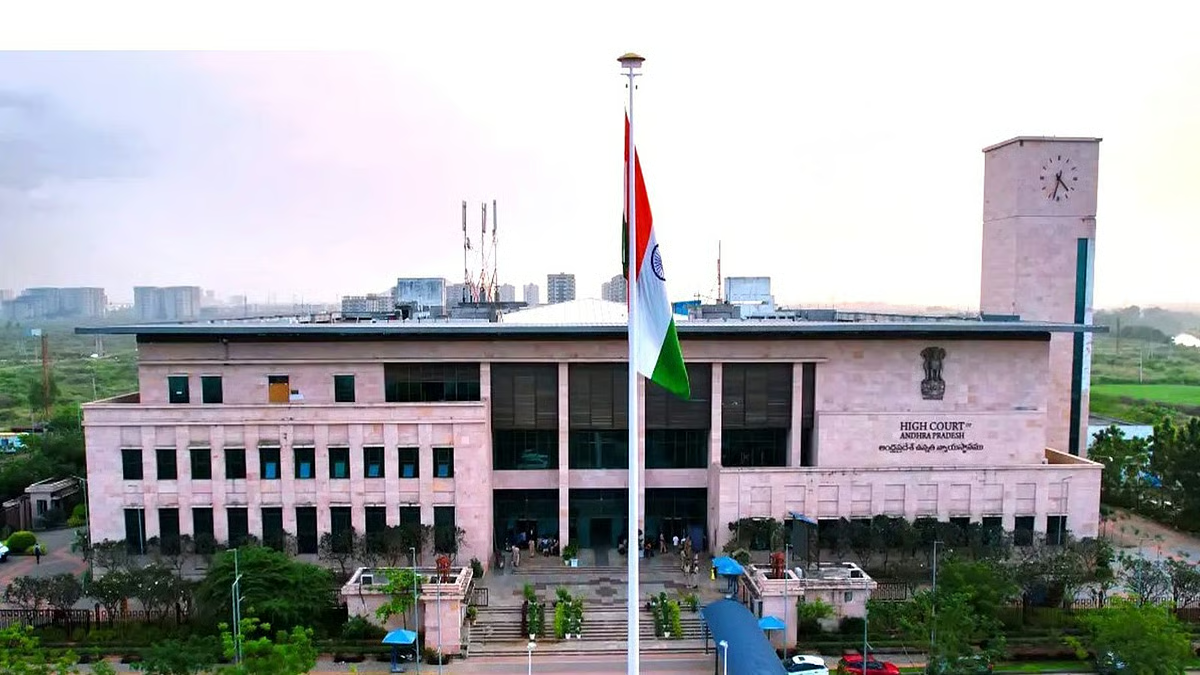
Andhra Pradesh’s High Court sits at Amaravati and hears cases from across the state, including writ petitions against universities, colleges, and education officials. Nothing in the available report says whether this decision was a final judgment, an interim order, or a direction limited to one petitioner. Readers should not assume a statewide rule until the order itself is read.
Institutions sometimes argue that they may retain documents until dues are cleared or formalities are completed. Students and their families often argue the opposite: that the certificate records work already done and should not be used as leverage. The New Indian Express headline aligns the court with the second view on the question of ownership. It does not, on the material here, say whether the court also addressed fees, bonds, or damages.
The report does not quote the judges or set out the statutory provisions they relied on. Any claim that the court invoked a particular article of the Constitution, a university statute, or an earlier precedent would go beyond what has been published in the feed item.
Until the order or a fuller report is available, the practical effect is also unsettled. It is not known whether the court directed immediate return of documents, set a deadline, or left compliance to the institution. It is likewise not known whether the ruling is confined to the parties before the court or is being treated by education officials as guidance for other colleges in the state.
Students and colleges in Andhra Pradesh who are in a similar dispute will need the text of the order, not the headline alone, before relying on it. Lawyers typically look for the case number, the date, and the operative directions before advising a client to demand documents or to resist a demand for their return.
The New Indian Express is the publication named on the item. Further reporting, or the High Court order itself, would be needed to confirm who filed the case, what documents were in dispute, and what the court required the institution to do next.
Primary source: Google News Andhra Pradesh. Newzly rewrites and structures source reporting for clarity; verify critical details at the original.