As Newsom exits, California’s homelessness crisis remains
NPR reports that Gov. Gavin Newsom’s push on homelessness moved thousands of people indoors, yet the crisis grew worse as the Democrat, often discussed as a White House hopeful, prepares to leave office.
In this piece
NPR News reports that California Gov. Gavin Newsom tried to tackle homelessness with an ambitious agenda that moved thousands of people indoors. As he exits,…
California Gov. Gavin Newsom is leaving office with the state’s homelessness crisis still unresolved, NPR News reported. The Democratic governor, described by NPR as a likely White House hopeful, tried to tackle homelessness as a defining part of his time in office.
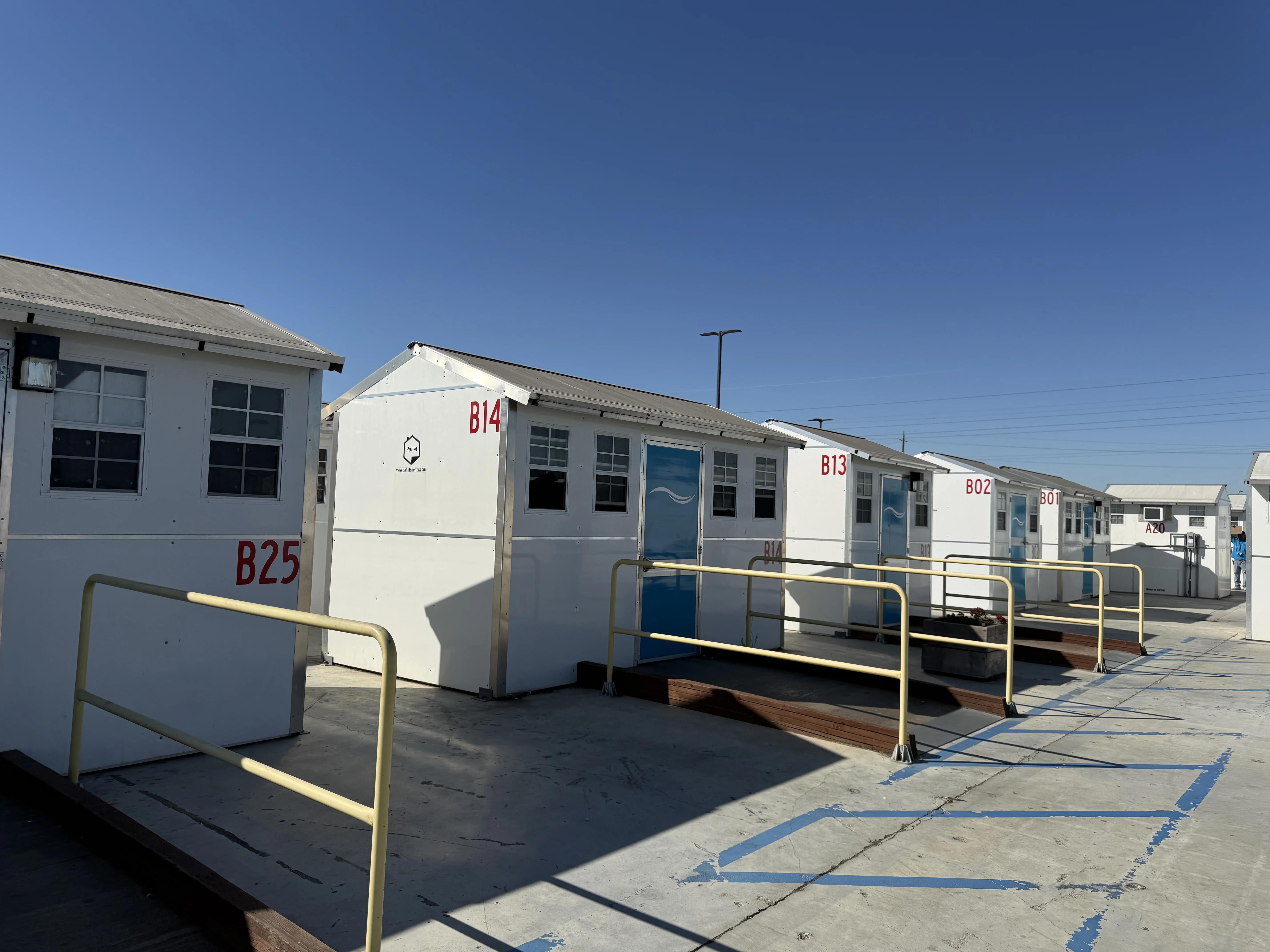
According to NPR, Newsom’s ambitious agenda moved thousands of people indoors. The same report says the crisis has gotten worse anyway, a result that sits at the center of how his record on the issue is being assessed as he exits.
NPR’s account frames the effort as a serious attempt rather than a side project. It describes a governor who took the problem on directly, with a program large enough to bring thousands of people off the street and into indoor settings, and a statewide emergency that continued to deepen.
The reporting does not, in the material available here, spell out program names, annual spending totals, or a year-by-year count of people experiencing homelessness. What it does establish is the core outcome NPR is highlighting: indoor placements on a large scale, alongside a crisis that grew.
That combination matters because homelessness in California is both a human emergency and a test of state government. Moving thousands of people indoors shows that public action can change individual circumstances. A crisis that has gotten worse shows that those gains have not, on NPR’s account, matched the scale of the problem.
The political stakes are unusually high. NPR identifies Newsom as a likely White House hopeful, so the homelessness record is likely to travel with him beyond Sacramento. Supporters can point to people housed; critics can point to a crisis NPR says has worsened. Both claims, as reported, can be true at once.
For cities and counties, the unresolved crisis means continued pressure on shelters, outreach, policing, health care, and housing supply. NPR’s summary does not assign those local burdens in detail, but the statewide judgment is clear: the problem Newsom set out to tackle remains.
California’s size makes the gap especially consequential. A state that can move thousands of people indoors and still see the crisis grow is dealing with a shortfall that no single placement total, on the evidence NPR presents, has closed. The report treats that shortfall as the story of his exit, not a footnote.
What comes next is a handoff. As Newsom leaves, the crisis he took on does not leave with him. Whoever succeeds him will inherit both the people already moved indoors and a homelessness emergency that NPR says is worse than when his ambitious agenda was underway.
NPR’s framing leaves open how voters and the next administration will judge the effort. The available reporting supports a narrow conclusion: Newsom tried, thousands were moved indoors, and California’s homelessness crisis remains.
Primary source: NPR News. Newzly rewrites and structures source reporting for clarity; verify critical details at the original.