Assam Student Body Demands Reverification of Citizenship Register and Voter List Revision
The All Assam Students' Union has renewed demands for a comprehensive reverification of the National Register of Citizens and an intensive revision of voter rolls to safeguard indigenous rights.
In this piece
The All Assam Students' Union has called on authorities to re-examine the National Register of Citizens and revise electoral rolls across Assam. The student…
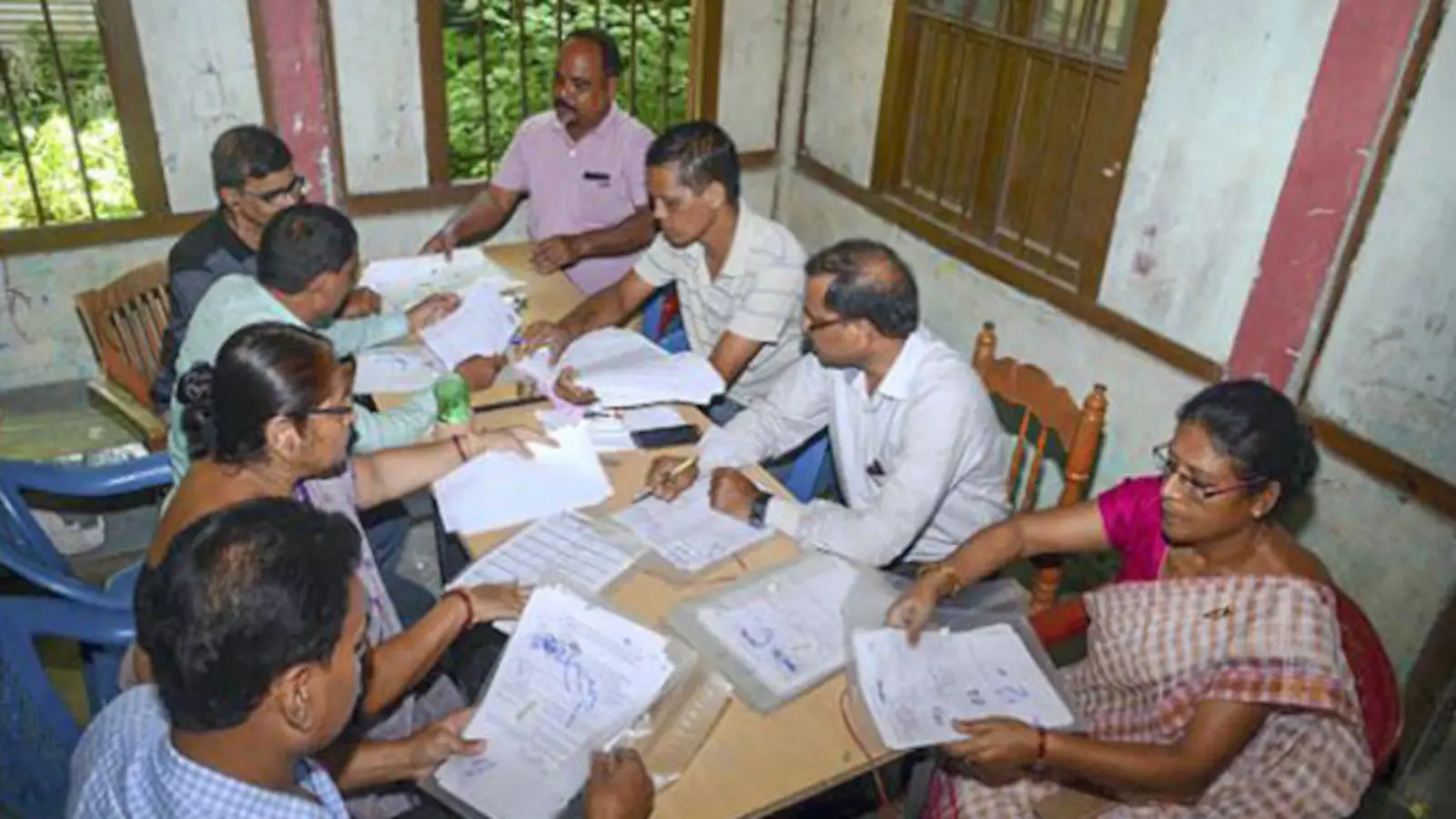
The All Assam Students' Union has renewed its demand for a comprehensive reverification of the National Register of Citizens alongside an intensive revision of voter rolls in Assam. The prominent student organization stated that the current citizenship registry remains compromised by significant procedural flaws and inaccuracies. Representatives reiterated that safeguarding the rights of the indigenous population requires an error-free documentation process that reflects the state's true demographic reality.
AASU leadership emphasized that a credible citizenship list is fundamental to preserving the cultural and political safeguards guaranteed to local residents. The student body called upon election authorities to conduct a thorough verification of electoral lists to identify and weed out ineligible names. Leaders noted that genuine citizens should never face exclusion, while unauthorized migrants must not be permitted on electoral rolls.
The demand follows years of lingering discontent with the updated National Register of Citizens published in August 2019 under the supervision of the Supreme Court of India. That multi-year exercise excluded more than 1.9 million of the roughly 33 million applicants across the state. Despite the massive scale of the effort, the outcome was widely rejected by civil society groups and major regional organizations who contended that the count was deeply flawed.
Critics of the 2019 register maintain that administrative loopholes allowed undocumented non-citizens into the registry while mistakenly omitting many genuine Indian citizens, including members of indigenous and tribal communities. Stakeholders have repeatedly argued that without extensive sample re-examinations or district-wide reviews, the published register cannot serve as an authentic baseline. This dissatisfaction has fueled recurring demands for fresh scrutiny across sensitive border districts.
Citizenship verification in Assam is intrinsically tied to the historic Assam Accord signed in 1985 following a six-year mass agitation led by AASU against undocumented immigration. The pact established midnight of March 24, 1971, as the cutoff date for detecting and deporting foreigners residing in the state without authorization. Decades after the accord was inked, student leaders argue that successive administrations have failed to fully implement its core provisions.
Concerns regarding the electoral roll run parallel to anxieties over citizenship data. AASU has frequently highlighted irregularities in local voter registries, demanding that the Election Commission undertake a special revision to resolve ambiguities surrounding doubtful voters. The student body contends that an uncorrected voter roll compromises the integrity of democratic representation and dilutes indigenous political influence.
Despite numerous petitions submitted to higher courts and representations made to both federal and state governments, the proposal for widespread reverification has remained caught in bureaucratic and legal uncertainty. The Registrar General of India has yet to officially notify the final 2019 list, leaving excluded individuals unable to obtain formal rejection slips needed to appeal before quasi-judicial Foreigners Tribunals. This ongoing administrative stalemate has left the citizenship status of nearly two million people unresolved.
For regional advocacy groups, resolving these documentation issues is inseparable from protecting indigenous land rights and cultural identity. Community leaders maintain that constitutional safeguards promised under Clause 6 of the Assam Accord cannot be meaningfully delivered without establishing who constitutes a bona fide resident. Consequently, civic groups view reverification not merely as an administrative task, but as a crucial pillar of long-term social stability.
Moving forward, student leaders have indicated they will sustain pressure on both central and state authorities to address these dual grievances. While state authorities have previously expressed support for sample reverification, any official reopening of the process will likely depend on administrative directives and judicial reviews. Until definitive measures are enacted, the debate over citizenship verification and electoral integrity is poised to remain a defining fault line in Assam's political landscape.
Primary source: Google News Assam. Newzly rewrites and structures source reporting for clarity; verify critical details at the original.