How the Brahmaputra Volleyball League Rallies Thousands of Youths in Assam
Founded by former national team captain Abhijit Bhattacharya, the Brahmaputra Volleyball League has mobilized over 12,000 rural youths across Assam. The grassroots sports movement fosters community solidarity, female empowerment, and athletic discipline in remote villages.
In this piece
The Brahmaputra Volleyball League in Assam has grown to engage more than 12,000 young players across 400 rural teams since launching in 2020. Spearheaded by…
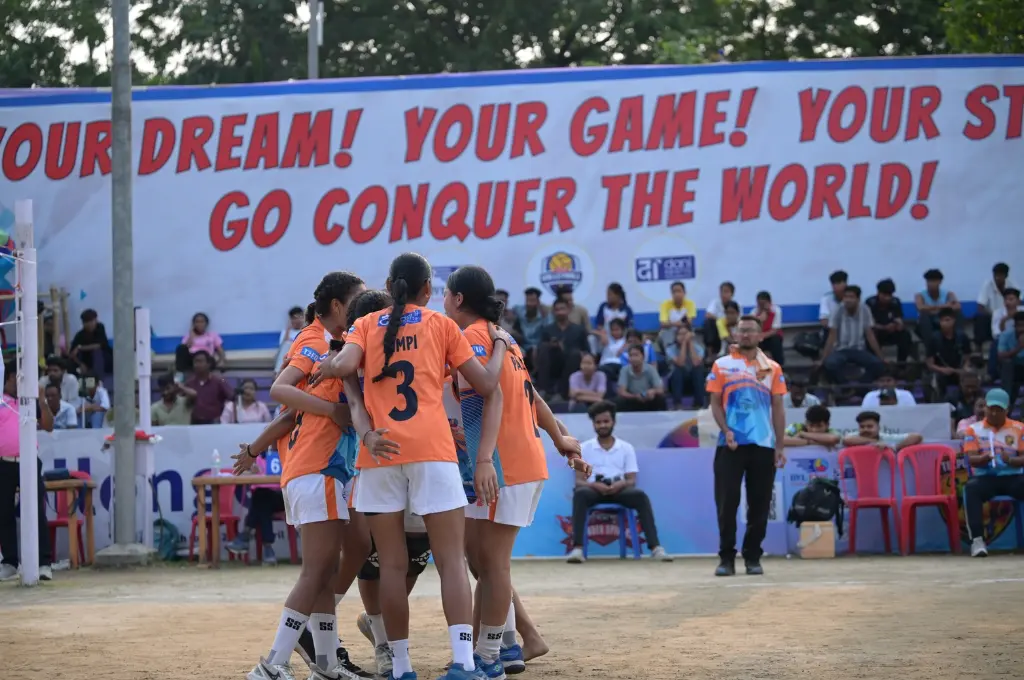
A community-driven sports movement in Assam is mobilizing thousands of rural youths through the Brahmaputra Volleyball League, transforming village playfields into vibrant hubs of athletic training and grassroots camaraderie. Founded by former Indian men's national volleyball team captain Abhijit Bhattacharya, the initiative has expanded rapidly since its inception to involve more than 12,000 children across over 400 teams. What began as a modest pandemic-era intervention has evolved into one of the largest self-sustaining youth sporting networks in northeast India.
The seeds of the league trace back to the height of the COVID-19 pandemic in 2020, when restrictions disrupted normal schooling and physical activities across rural communities. Bhattacharya initially organized remote training sessions using handmade cloth balls and distributed standard volleyball equipment to interested youngsters in rural villages. The response was immediate, leading to an initial cohort of 50 grassroots squads that quickly captured the imagination of rural youth across the state.
The initiative is deeply rooted in Bhattacharya's own formative years in Tezpur, Assam, where political unrest and armed insurgency dominated the regional landscape during the 1980s. Amid limited infrastructure, an observant local coach scouted him for his athletic promise, offering volleyball as an affordable pathway out of localized hardship. Bhattacharya eventually rose through state and national ranks to captain the national side, an experience that underscored the sport's potential to provide discipline and upward social mobility.
Today, the Brahmaputra Volleyball League operates extensively in historically underserved pockets of Assam, including remote tea garden worker settlements and precarious riverine islands known as chars. These flood-prone alluvial landmasses often face chronic isolation, geographic displacement, and economic vulnerability. By setting up functional courts in these rural outposts, organizers offer young residents structured recreational opportunities that were previously scarce or nonexistent.
A central pillar of the tournament network is its emphasis on female participation, deliberately dismantling long-standing social barriers in conservative rural hamlets. Hundreds of girls' teams now actively compete in official league fixtures, drawing widespread encouragement from parents and elders who previously discouraged women from public athletic pursuits. Participation in organized sports has bolstered self-confidence, teamwork, and leadership skills among young girls across participating districts.
Unlike heavily commercialized sporting leagues, the Brahmaputra Volleyball League relies primarily on local community ownership rather than corporate sponsorship. Villagers clear fields, carve bamboo posts, and prepare communal meals for visiting squads when matches rotate through their localities. This decentralized approach minimizes operational overhead while instilling a collective pride and civic solidarity that transcends ethnic and cultural divides.
The initiative has also introduced capacity-building programs designed to equip rural adolescents with practical digital and organizational skills. Young volunteers are trained to broadcast matches live using basic smartphones, enabling relatives and diaspora members to follow village tournaments in real time. In addition, the movement has extended sports-based mentorship into unconventional spaces, including introducing volleyball and teamwork clinics in correctional facilities.
Advocates highlight the model as a compelling template for low-cost sports-for-development initiatives across developing regions. By avoiding expensive infrastructure requirements, the volleyball format demonstrates how grassroots athletic networks can alleviate youth disengagement, foster healthier lifestyles, and deter substance abuse in vulnerable communities. The program shows that sustained social impact often relies more on local goodwill and accessible equipment than on massive financial outlays.
Looking ahead, organizers and local supporters aim to consolidate the league's competitive pipeline while expanding scouting linkages to state and national sports federations. Observers note that while sustaining volunteer energy across hundreds of remote hamlets remains an ongoing logistical challenge, the community-rooted structure offers a durable foundation. For thousands of young athletes along the Brahmaputra river basin, the league continues to serve as an enduring springboard toward broader opportunities.
Primary source: Google News Assam. Newzly rewrites and structures source reporting for clarity; verify critical details at the original.