Assam tea industry faces climate-driven labor crisis
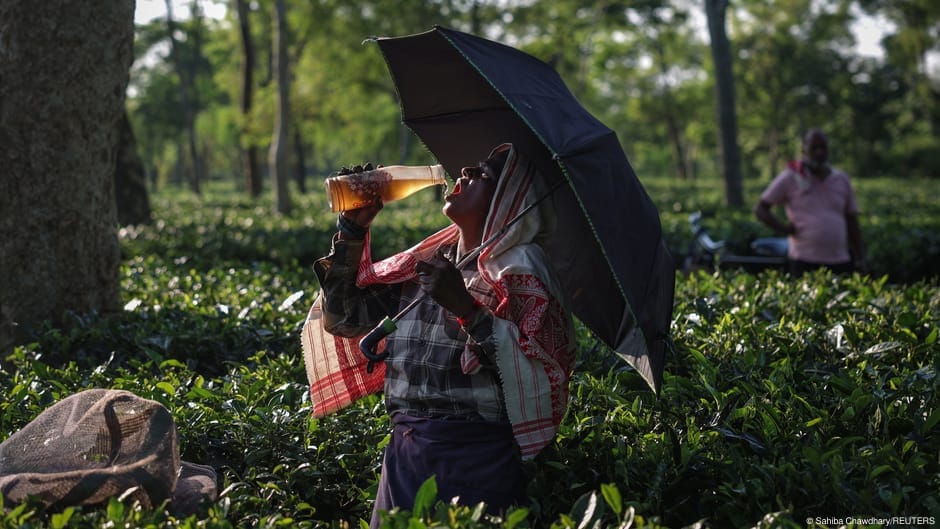
Assam’s tea industry is facing a climate-driven labor crisis, DW reports, highlighting how environmental pressures on agriculture can also threaten the workforce on which production depends.
In this piece
A DW report highlights a climate-driven labor crisis in Assam’s tea industry, linking environmental pressures with challenges facing its workforce. The supplied…
Assam’s tea industry is facing a climate-driven labor crisis, according to a DW report highlighted in a Google News listing. The report’s headline points to pressure on the workforce in the Indian state’s tea sector, although the supplied material does not describe the extent of the disruption or identify particular estates.
The issue puts workers at the center of a story about climate and agricultural production. Environmental pressures on a crop can also become pressures on the people who cultivate and harvest it, making working conditions and the continuity of employment important parts of understanding the industry’s exposure.
Tea production depends on both suitable growing conditions and the availability of labor to carry out work in the fields. Climate-related disruption can therefore raise interconnected questions about crops, working schedules and livelihoods, rather than presenting a challenge that can be assessed through production figures alone.
The description of a labor crisis is significant, but the available source material leaves its specific meaning unresolved. It does not establish whether DW is reporting primarily on worker shortages, difficulties performing outdoor work, departures from tea estates or a combination of factors, and those explanations should not be treated as interchangeable.
Those distinctions matter when considering how the industry might respond. Measures intended to protect people while they work would address a different problem from measures intended to retain workers or support households facing uncertain earnings; the supplied listing does not identify which responses are being considered or implemented.
For workers, the central questions include how environmental conditions affect the ability to work and whether employment remains dependable. For tea businesses, the corresponding questions concern maintaining operations without overlooking workforce welfare, but the headline alone provides no basis for assessing how those interests are currently being managed in Assam.
The information available also does not quantify losses, identify affected districts or provide testimony from workers, employers or public officials. It supplies no dates for the reported developments and no evidence of a particular policy announcement, so the crisis cannot responsibly be assigned a precise timeline or geographic reach within the state.
DW’s report nevertheless draws attention to the connection between climate pressures and the human foundations of Assam’s tea industry. A fuller assessment will depend on the underlying reporting: what workers are experiencing, how widespread the difficulties are and what evidence links them to changing environmental conditions. Until those details are available, the source supports the broad warning of a climate-driven labor crisis, not specific claims about its scale, causes or likely resolution.
Primary source: Google News Assam. Newzly rewrites and structures source reporting for clarity; verify critical details at the original.