world·Arunachal Pradesh·Upper Siang District
Backlash Grows in Arunachal Pradesh Over Mega-Dam on the Siang River
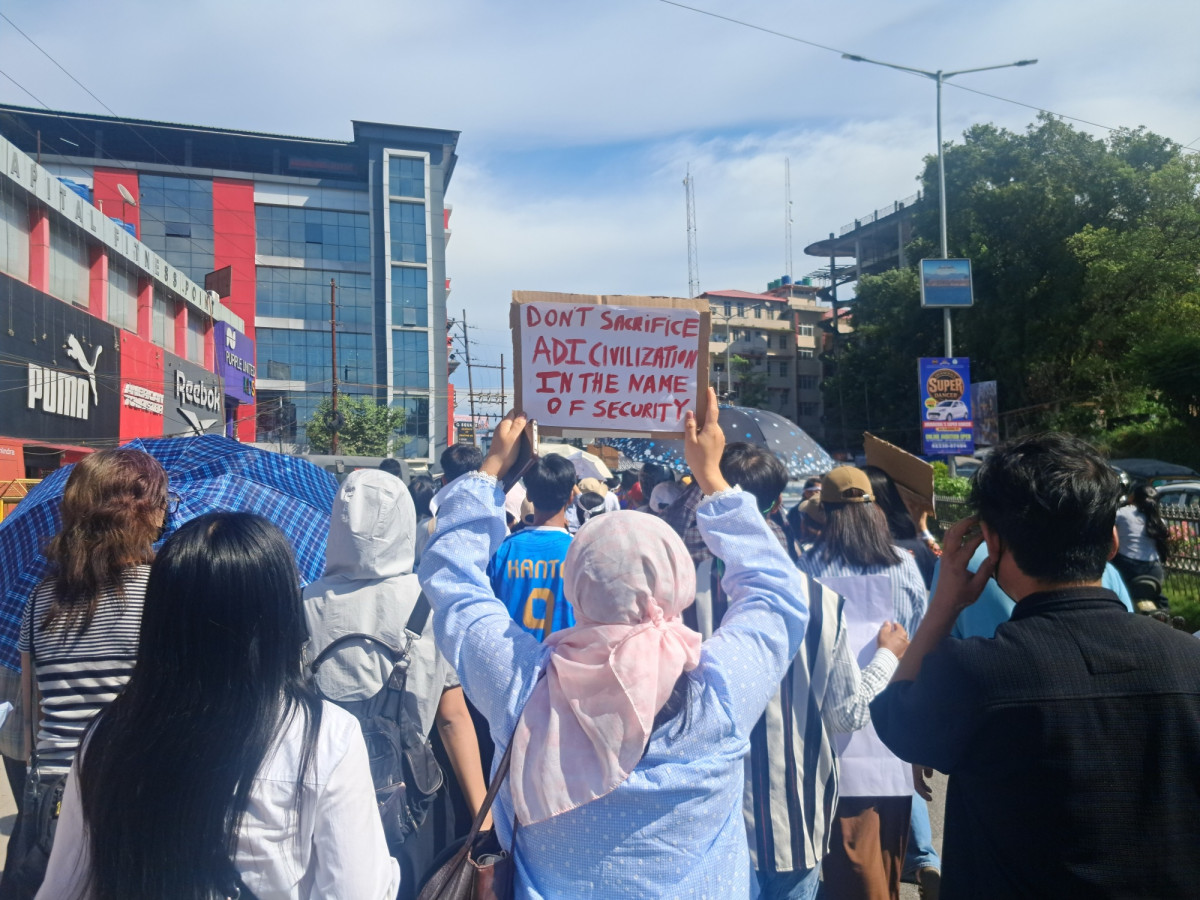
Indigenous Adi communities in Arunachal Pradesh have intensified protests against the proposed 11,200-megawatt Upper Siang dam, warning that state-backed mega-infrastructure threatens ancestral homelands despite government claims of strategic necessity.
In this piece
Protests against the proposed Upper Siang Multipurpose Project in Arunachal Pradesh are gaining international attention under the rallying cry 'Let Ane Siang…
Tensions between indigenous communities and authorities in Arunachal Pradesh have mounted as local groups step up their resistance against the proposed 11,200-megawatt Siang Upper Multipurpose Project. Under the rallying cry "Let Ane Siang Flow," demonstrators and community forums continue to demand a permanent halt to pre-feasibility survey work across the Siang Valley.
The movement takes its name from "Ane Siang," meaning "Mother Siang" in the language of the indigenous Adi community. For generations, the river has formed the cultural, spiritual, and economic spine of indigenous settlements inhabiting Upper Siang, Siang, and East Siang districts.
Community organizations, including the Siang Indigenous Farmers’ Forum, argue that constructing one of the largest hydroelectric dams in Asia would submerge ancestral lands and permanently displace dozens of indigenous villages. Activists maintain that the project threatens fragile Eastern Himalayan ecosystems and risks wiping out unique tribal heritage without free, prior, and informed consent.
In contrast, the Bharatiya Janata Party-led administrations at both the Centre and the state level have framed the mega-dam as an imperative for national security and hydrological planning. Officials assert that a large reservoir is vital to regulate water flow and shield downstream settlements from potential flash floods or supply shortages.
The urgency from New Delhi is heavily driven by developments upstream in Tibet, where China has advanced plans for a massive 60,000-megawatt hydropower installation on the Yarlung Tsangpo. Indian planners argue that downstream storage capability along the Siang is needed to offset any unilateral hydrological manipulation or sudden water releases by Beijing.
Despite the strategic arguments advanced by authorities, field surveys and preliminary work have faced persistent roadblocks on the ground. Rallies across regional hubs like Pasighat and Itanagar have drawn thousands of demonstrators, with village councils repeatedly barring government officials and survey teams from accessing designated project zones.
The friction has resulted in heightened policing, with authorities invoking preventive detention measures against student leaders and community organizers in recent months. The detentions have fueled wider public outrage across northeastern civil society, prompting calls from rights advocates for the unconditional release of jailed demonstrators and an end to state coercion.
Environmental researchers and independent scientists across India have also voiced support for the anti-dam movement, highlighting the severe seismic vulnerability of the Siang basin. Critics emphasize that heavy engineering in an earthquake-prone terrain poses severe catastrophe risks for communities living downstream in both Arunachal Pradesh and neighboring Assam.
International advocacy networks, including the Progressive International, have amplified the struggle, situating the Siang mobilization within a global pattern of indigenous resistance against top-down developmental models. Rights monitors argue that national security objectives should not come at the expense of local self-determination and ecological preservation.
As administrative bodies push forward with administrative clearances, local leadership maintains that public opposition will not waver until the mega-dam proposal is formally withdrawn. The impasse sets up an enduring confrontation between New Delhi's frontier security ambitions and the indigenous communities determined to keep Mother Siang flowing uninterrupted.
Primary source: Google News Arunachal Pradesh. Newzly rewrites and structures source reporting for clarity; verify critical details at the original.