business·Delhi·New Delhi District
Bangladesh Completes Legal Process to Seek Sheikh Hasina's Return From India
Bangladesh has finalized all internal legal steps required to seek the extradition of former Prime Minister Sheikh Hasina, stating that the decision to return her now rests entirely with the Indian government.
In this piece
Bangladeshi authorities have completed all statutory procedures to request the extradition of ousted leader Sheikh Hasina from India. Law Minister Md…
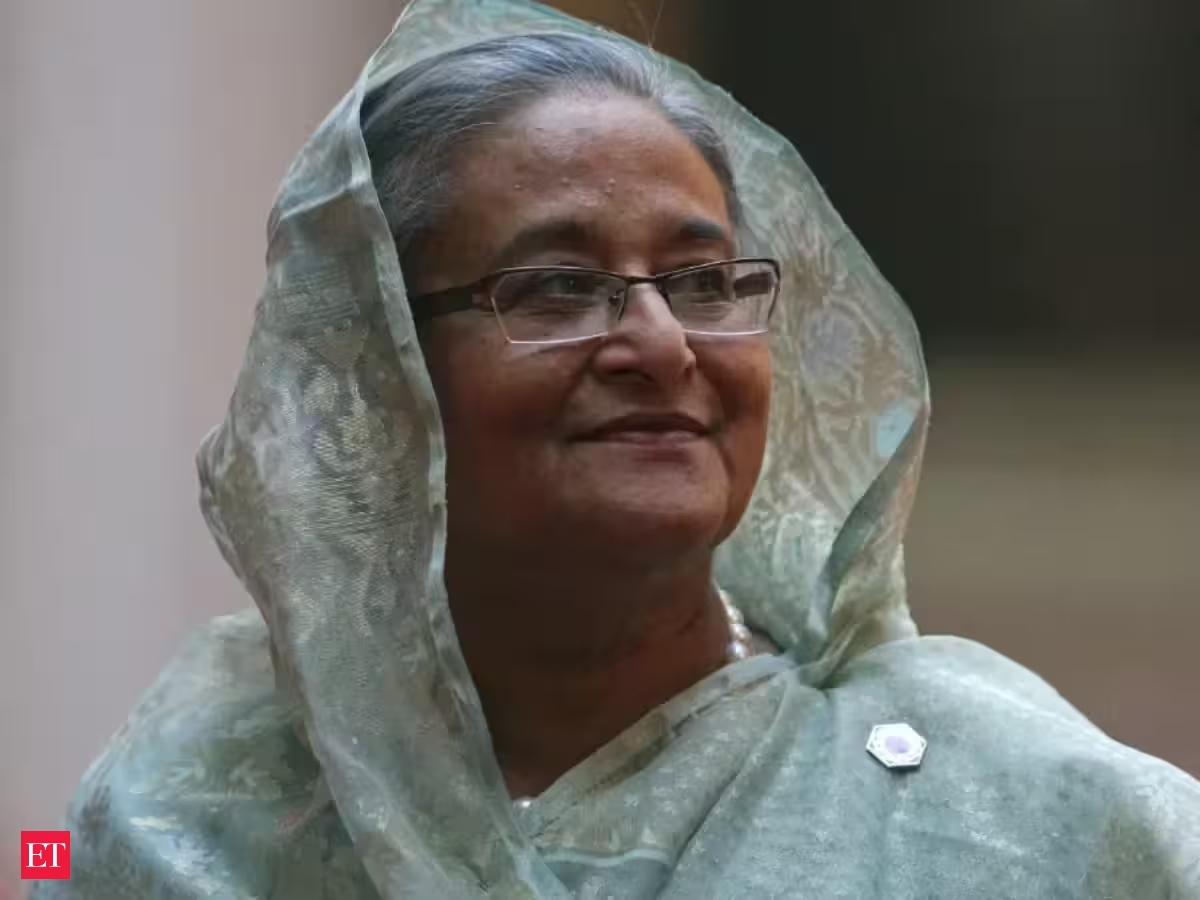
Bangladesh has completed all internal legal procedures necessary to request the extradition of ousted Prime Minister Sheikh Hasina from India, according to Bangladeshi authorities. Law Minister Md Asaduzzaman announced that Dhaka has fulfilled its procedural obligations under bilateral mechanisms, placing the responsibility on New Delhi to decide on her handover. The formal push marks a significant escalation in the interim administration's efforts to bring the former leader back to face justice.
Speaking on the status of the extradition proceedings, Asaduzzaman stated that Bangladeshi authorities have finalized all documentation and statutory steps required on their end. He emphasized that the remaining decision now rests entirely with the Indian government regarding how to process Dhaka's request. The announcement underscores Dhaka's insistence that bilateral agreements provide the appropriate legal framework for her return.
Hasina fled Bangladesh in August following a massive student-led uprising that swiftly unseated her government after fifteen years in power. Her sudden departure to India left the country under an interim administration tasked with stabilizing political and judicial institutions. Since her arrival in New Delhi, Hasina has remained under high-security shelter while political tensions in Dhaka have continued to simmer.
Upon taking charge, authorities in Dhaka initiated numerous criminal investigations against Hasina and senior leaders of her Awami League party. The cases include charges linked to mass casualties and alleged human rights violations during the weeks of violent street demonstrations preceding her resignation. Proceedings initiated before Bangladesh's International Crimes Tribunal have resulted in arrest warrants and extensive formal inquiries into the state's security crackdown.
Extradition between the neighboring countries is governed by the 2013 bilateral extradition treaty, which was subsequently amended in 2016 to facilitate faster handovers. The pact outlines specific protocols for surrendering individuals accused of serious offenses, while also providing clauses regarding political crimes and judicial discretion. Legal observers note that interpreting these treaty clauses will be central to how New Delhi evaluates Dhaka's formal submissions.
India's Ministry of External Affairs has previously acknowledged receipt of diplomatic communications and inquiries regarding the former premier's legal standing. New Delhi has maintained that extradition matters involve established statutory and diplomatic reviews that must be examined under applicable legal criteria. Indian officials have reiterated their commitment to regional stability and the broader welfare of the Bangladeshi people during the ongoing transition.
The legal maneuvers arrive amid reports that Hasina had sought travel documentation through official channels to address her status abroad. Her ongoing presence in India has introduced sensitive diplomatic friction between New Delhi and Dhaka's interim leadership, testing long-standing ties between the two neighbors. Domestic political factions in Dhaka, including the Bangladesh Nationalist Party, continue to press for her immediate physical presence in domestic courts.
The decision now before New Delhi carries substantial geopolitical weight for bilateral relations in South Asia. Any response by Indian authorities will need to balance treaty commitments, legal assessments, and complex regional diplomatic considerations. As Dhaka awaits an official reply, the case remains a central test for the diplomatic relationship between the interim government and its largest neighbor.
Primary source: Economic Times. Newzly rewrites and structures source reporting for clarity; verify critical details at the original.