US Officials Say Nationwide Flight Grounding Stemmed From Routine Maintenance as Travel Chaos Continues
Federal officials confirmed that a four-hour nationwide flight grounding stemmed from contractor maintenance at a remote telecommunications facility, leaving thousands of flights canceled as widespread travel disruptions persist.
In this piece
A nationwide FAA ground stop that halted air travel was caused by routine maintenance on telecommunications lines at a remote facility, according to federal…
A four-hour nationwide ground stop ordered by the Federal Aviation Administration stemmed from routine maintenance on critical telecommunications infrastructure, federal officials confirmed following widespread disruptions to air travel. The sudden operational halt left thousands of flights delayed or canceled across the United States as airline networks struggled to recover. Even after flight operations officially resumed, travelers continued to face persistent cancellations and severe scheduling backlogs at major airports.
Speaking at a news briefing on Saturday, United States Transportation Secretary Sean Duffy stated that the issues began during scheduled work carried out by an external contractor at a remote FAA facility. According to Duffy, technicians were performing routine maintenance aimed at switching vital telecommunications lines from legacy copper wiring over to modern fiber optic cable. The transition unexpectedly compromised network stability, triggering a critical communications disruption that forced aviation regulators to halt departures nationwide.
The Trump administration characterized the disruption as an unforeseen operational failure tied directly to the maintenance project. Officials simultaneously pointed to the vulnerabilities inherent in the nation's aging air traffic control system, emphasizing that legacy hardware complicates essential upgrade work. Administration representatives acknowledged that maintaining system resilience remains a complex challenge while technicians work to modernize antiquated aviation networks.
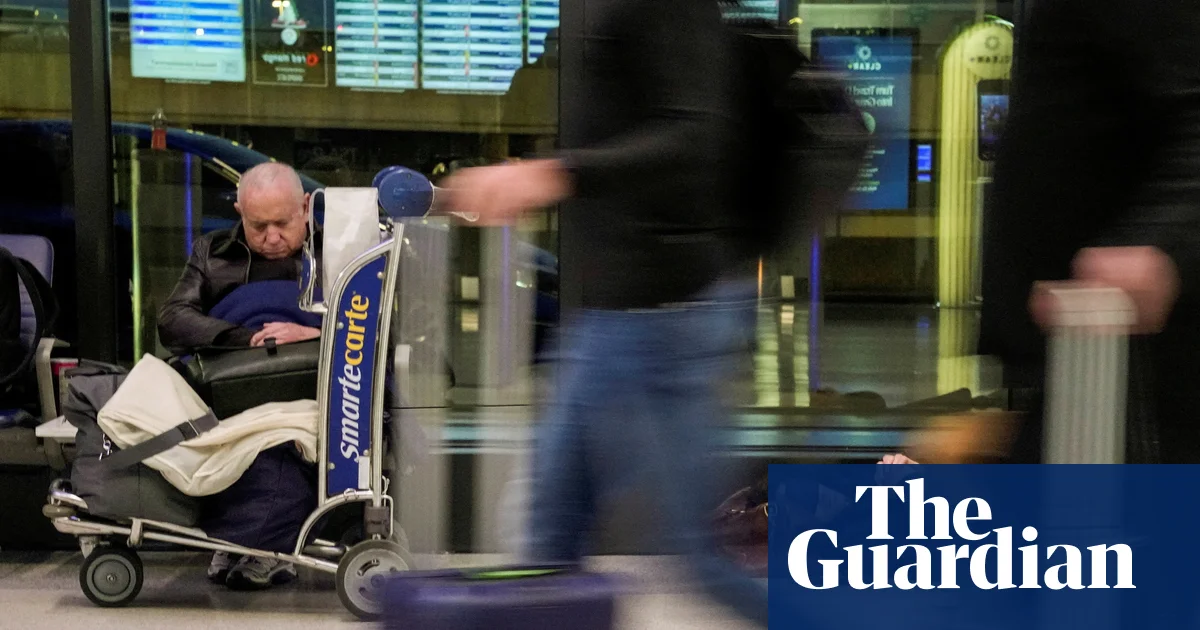
The four-hour suspension produced immediate and compounding operational fallout across the commercial aviation sector. While federal authorities lifted the ground stop once basic communications were secured, airlines faced severe logistical bottlenecks that extended well into the following days. Thousands of scheduled flights remained canceled as displaced crews, stranded airplanes, and overcrowded gate areas overwhelmed airline coordination centers.
The incident has refocused attention on the delicate balance required when upgrading vital components of federal aviation infrastructure. Replacing outdated copper lines with high-speed fiber optics is a standard technological improvement intended to increase data capacity and reliability across federal facilities. However, the nationwide stoppage illustrated how even routine adjustments at a single remote installation can ripple through the broader air traffic system if backup pathways fail.
Airports across the country experienced significant turmoil as ticket counters and customer service desks dealt with stranded passengers and mounting rebooking requests. Airline operational teams mobilized to reposition aircraft and reassign crew members who were timed out or stranded away from their home bases. Industry analysts noted that clearing passenger backlogs following a nationwide stoppage often requires several days of coordinated recovery efforts.
Federal authorities and aviation watchdogs are expected to scrutinize the oversight protocols that govern contractor work at remote facilities. Questions remain regarding why secondary failovers and redundant lines did not prevent the maintenance procedure from impacting central flight operations. Transportation officials indicated that investigators will examine both the contractor's specific technical actions and the broader fail-safe architecture designed to isolate localized maintenance glitches.
The widespread cancellations underscore the significant economic sensitivity of modern air travel to technical disruptions. Unplanned ground stops generate substantial financial losses for airlines through passenger accommodations, lost revenue, and complex operational rerouting. Business travelers and cargo handlers also felt the impact as tight delivery schedules and business itineraries were derailed by the prolonged ripple effects of the stoppage.
Moving forward, federal regulators face mounting pressure to demonstrate that future modernization initiatives will not compromise live airspace safety or continuity. As airlines gradually work through the remaining cancellation backlogs, transportation leadership has committed to reviewing maintenance procedures to safeguard national travel networks against recurring vulnerabilities. For now, passengers navigating disrupted itineraries are being advised to verify flight statuses directly with carriers as recovery operations continue.
Primary source: The Guardian Business. Newzly rewrites and structures source reporting for clarity; verify critical details at the original.