Bank of England raises interest rates to 4% in first increase in more than three years
The Bank of England has lifted its base rate to 4% in the first increase in more than three years, with the governor signalling a further rise as inflation pressures tied to the Iran war build.
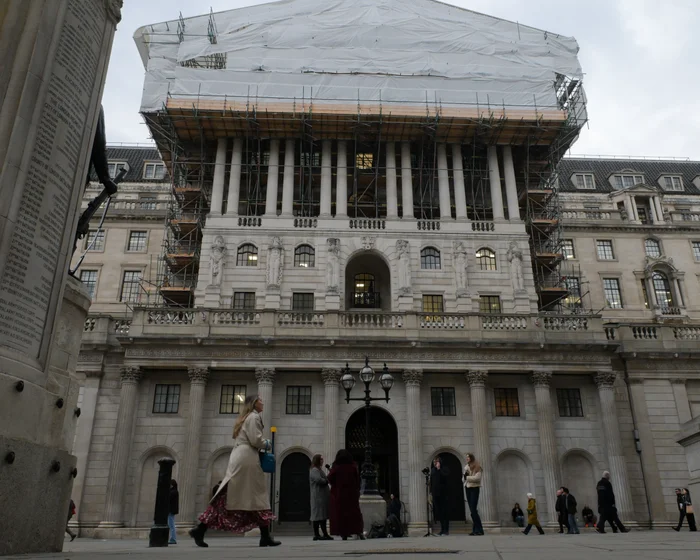
The Bank of England has raised interest rates for the first time in more than three years, lifting the base rate from 3.75% to 4% as it confronts inflationary pressure it links to the Iran war. The Guardian reported that the Bank has also warned of another increase as officials try to contain rising prices.
Eight members of the Bank’s monetary policy committee voted for the quarter-point rise. The ninth member, Catherine Mann, preferred a larger half-point increase, The Guardian said. The split shows a committee united on the need to tighten policy, with one member arguing for a sharper move.
The Bank’s governor has signalled that a further rise could come in the near future. The available account does not set a date or a size for any follow-up decision. It frames the present increase as a response to inflationary pressure unleashed by the Iran war.
A change in the base rate is the Bank’s principal instrument for influencing borrowing costs across the economy. Higher official rates are intended to cool demand when inflation is judged too strong, with the effects spreading through mortgages, consumer credit and business lending over time. This step ends a stretch of more than three years without an increase.
The decision arrives during a cost-of-living crisis. Analysis published by The Guardian argued that an interest-rate rise in the midst of that squeeze will leave many people incredulous. The paper presented the move as difficult for households even as the committee judged tighter policy necessary to address inflation.
Borrowers on variable-rate products typically feel official rate changes sooner than those locked into fixed deals, though the pace depends on lenders. Savers may eventually see higher returns on deposits, often with a lag. The Guardian’s report did not include new figures for mortgage rates, savings rates or household bills after the decision.
Firms that depend on bank finance can also face dearer credit if commercial rates follow the base rate higher. That can weigh on investment and hiring when costs are already elevated. How widely those pressures spread will depend on inflation and on whether the committee delivers the further rise the governor has indicated.
The vote itself is the clearest detail the report provides on the committee’s internal balance. A majority settled on a quarter of a percentage point, taking the base rate to 4%. Mann’s preference for half a point is the only dissent described, and the account does not set out the arguments each member made.
The connection drawn between the Iran war and UK inflation is central to the rationale as reported. Conflict can push up energy and commodity prices and disrupt supply, forces that later appear in consumer prices. The report does not quantify how much of the current inflation the Bank attributes to the war compared with other causes.
Attention now turns to the Bank’s next policy meetings and to incoming inflation readings. The governor has indicated another increase is possible in the near future, while the reporting stops short of confirming that a second rise is certain. Households, lenders and markets will be watching whether 4% marks a single adjustment or the opening of a renewed period of tighter policy.
Primary source: The Guardian Business. Newzly rewrites and structures source reporting for clarity; verify critical details at the original.