Battlestar Galactica's Landmark Space Battle Marks 20th Anniversary
Twenty years after Battlestar Galactica turned the Pegasus into an enormous battering ram, the landmark television space battle continues to define the height of science fiction drama.
In this piece
A retrospective by Polygon revisits the 20th anniversary of Battlestar Galactica's most famous space confrontation. The landmark sequence, defined by the daring…
Twenty years after its original broadcast, the defining space battle from the critically acclaimed series Battlestar Galactica continues to be celebrated as a high-water mark for television science fiction. An anniversary retrospective published by Polygon revisits the dramatic sequence, emphasizing how the production delivered an unprecedented combination of tactical audacity and emotional resonance that remains rare in episodic storytelling.
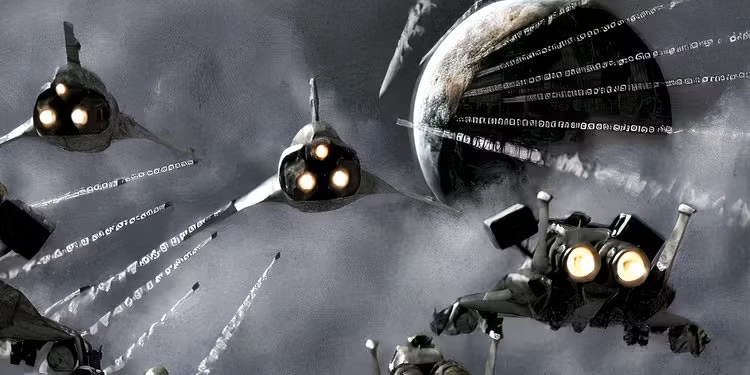
Central to the milestone confrontation was the tactical gambit remembered as the Adama Maneuver, culminating in the destruction of the battlestar Pegasus. As Polygon highlights in its reassessment, the narrative elevated the conflict beyond standard action choreography by transforming the massive Pegasus into an enormous battering ram, delivering a visual climax that fundamentally altered the stakes of the conflict.
At the time of its debut, staging a fleet confrontation of such magnitude presented substantial technical and creative challenges for a television production. Small-screen science fiction had historically faced strict budgetary limitations that curtailed full-scale space combat. The execution of this battle signaled a notable shift, demonstrating that serialized television could deliver cinematic scale without losing narrative focus.
Contextually, the engagement served as a crucial turning point for the series and its central fleet of human survivors. Rather than functioning solely as visual spectacle, the confrontation carried immediate and lasting narrative consequences for the surviving vessels. The loss of key military assets underscored the severe vulnerability of the protagonists against their robotic pursuers.
Critical retrospectives continue to note that the impact of the battle stemmed directly from the human element driving the tactical decisions. Sacrificing a major warship like the Pegasus demonstrated that tactical triumphs in the series required devastating compromises. By grounding high-concept space combat in irreversible stakes, the production set a precedent for grounded, military-influenced storytelling across the genre.
Two decades later, cultural commentary frequently ranks the sequence among the greatest space battles ever produced for television. Even as computer-generated imagery and visual effects budgets have expanded exponentially across contemporary streaming services, commentators observe that the visceral momentum and deliberate staging of the Battlestar Galactica confrontation remain difficult to replicate.
The creative influence of the sequence remains visible across modern science fiction television, which increasingly adopts similar documentary-style camera techniques and tactile ship mechanics. The legacy of the battle helped demonstrate to television producers and network executives that complex, serialized space warfare could attract dedicated audiences when treated with dramatic seriousness.
As Polygon's twenty-year retrospective underlines, the enduring fascination with the Pegasus maneuver reflects an appreciation for disciplined genre craftsmanship. While digital visual effects technology continues to advance, the prolonged legacy of the battle suggests that dramatic clarity, permanent sacrifice, and bold execution remain the vital components of memorable science fiction television.
Primary source: Polygon. Newzly rewrites and structures source reporting for clarity; verify critical details at the original.