BBC Investigation Catches Dog Breeder Selling Sick Puppies for £2,000 Under Fake Five-Star Rating
An undercover BBC investigation has revealed a licensed dog breeder in North Yorkshire selling sick puppies for roughly £2,000 each. The business continued promoting a top five-star rating despite local authorities downgrading its official license.
In this piece
A BBC investigation utilizing secret filming found a North Yorkshire dog breeder selling sick puppies for up to £2,000 while claiming a top-tier council rating.…
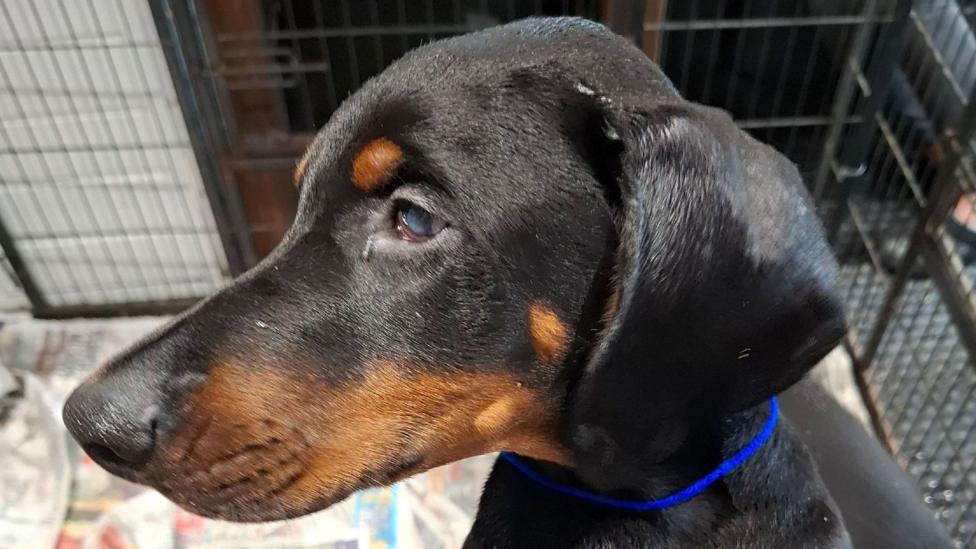
A secret undercover filming operation conducted by the BBC has exposed a commercial dog breeder selling seriously ill puppies for approximately £2,000 each while misleading buyers about official welfare accreditations. The investigation caught Michael Estill, who operates Mikjulora Dobermanns near Whitby in North Yorkshire, continuing to promote his establishment as an elite five-star breeding business. In reality, local authority records show that his official council rating had already been downgraded following regulatory inspections.
Undercover footage recorded by journalists documented transactions where prospective owners paid premium prices for dogs that exhibited severe medical distress shortly after purchase. In one documented case, a customer paid £2,000 for a young Dobermann puppy that required emergency veterinary intervention within forty-eight hours of arriving home. Treating veterinarians diagnosed the animal with severe pneumonia, highlighting how vulnerable young dogs were released to the public without adequate health clearance.
Under English animal welfare licensing regulations, local authorities inspect commercial breeders and assign star ratings ranging from one to five stars to reflect animal care standards and operational compliance. While Estill previously secured the coveted five-star designation, North Yorkshire Council downgraded the license after inspectors identified regulatory shortcomings. Despite this official change in status, marketing materials and online advertisements maintained the top rating to reassure prospective customers.
The findings at the Whitby kennel represent only a fraction of a wider enforcement challenge uncovered during the broadcaster's inquiries. An examination of commercial listings across England identified at least fifteen other licensed breeders actively marketing litters with inflated or expired star ratings. In many cases, breeders displayed five-star accolades on popular online pet sales portals long after local councils had lowered their grades or placed them on corrective notice.
The current licensing regime was established under the Animal Welfare (Licensing of Activities Involving Animals) Regulations 2018 to ensure consumer transparency and protect canine welfare. High star ratings grant businesses longer license durations and reduced inspection frequencies, signaling to the public that animals are raised under optimal living conditions. However, enforcement remains largely decentralized across hundreds of distinct local councils, creating administrative gaps that non-compliant operators exploit.
Veterinary organizations and animal welfare charities have repeatedly cautioned that purchasing puppies from disreputable breeders carries both severe financial burdens and deep emotional trauma for families. Emergency treatments for conditions such as respiratory infections, parvovirus, or congenital defects routinely cost thousands of pounds in addition to the steep purchase price. Animal advocacy groups argue that false advertising directly undermines buyers who rely on council star ratings to distinguish responsible breeders from exploitative puppy farms.
Industry watchdogs point to severe resource constraints within local councils as a primary driver of the oversight breakdown. Local authority licensing officers and trading standards personnel frequently operate with limited staffing, making comprehensive monitoring of digital advertisements and unannounced site visits difficult to sustain. As a consequence, formal downgrades recorded on municipal ledgers rarely trigger immediate, proactive removal of misleading claims from national commercial marketplaces.
Following the undercover revelations, animal rights campaigners and industry observers have renewed demands for centralized, mandatory registries of licensed animal breeders. Proponents argue that an accessible national database would enable prospective pet owners to instantly verify a seller's valid rating directly against official government records before transferring funds. For now, animal welfare experts urge the public to independently confirm breeder credentials with local council licensing registers rather than relying on claims made on sales platforms.
Primary source: BBC Business. Newzly rewrites and structures source reporting for clarity; verify critical details at the original.