Bollywood film turns to Tamasha performer Vithabhai Narayangaonkar
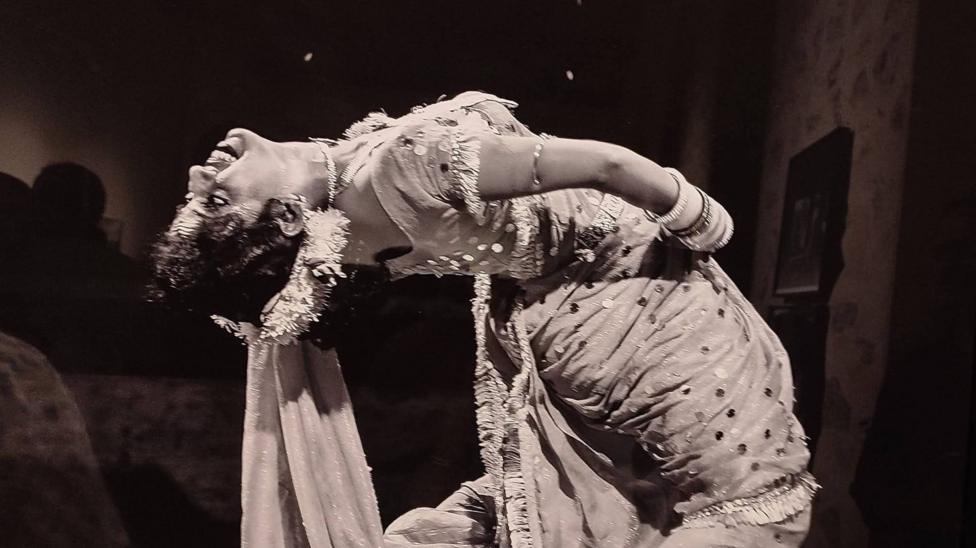
BBC Asia highlights dancer and singer Vithabhai Narayangaonkar, called India’s “Tamasha queen,” as a new Bollywood film turns to her life and a paid show that never took place.
In this piece
A BBC Asia report says a new Bollywood film spotlights Vithabhai Narayangaonkar, a dancer and singer remembered as a Tamasha queen. The headline centres on fans…
A BBC Asia report has drawn fresh attention to dancer and singer Vithabhai Narayangaonkar, described in its headline as the Indian “Tamasha queen.” The piece says a new Bollywood film spotlights her life, and the headline adds that fans once paid for a show that never happened. The text available here is short, so this account stays inside what that report states and what can be said as context.
The source summary is a single claim: a new Bollywood film focuses on the remarkable life of Narayangaonkar, a dancer and singer. It does not name the film, the people who made it, the cast, or when audiences might see it. Those omissions matter. Without them, the news is that her story is being retold on screen, not a review of how that retelling works.
Tamasha is a popular performance tradition long associated with Maharashtra, mixing song, dance, comedy, and story for audiences who bought tickets to travelling shows. Artists who became famous inside it were often known first by nickname and reputation. Calling Narayangaonkar a “Tamasha queen” places her in that public memory, as the BBC headline does, rather than as a figure whose career this article can reconstruct from the brief.
The headline’s most specific episode — fans who paid for a show that never happened — is presented as the reason the story travels. The material at hand does not say how much was paid, where the performance was meant to be, or why it did not take place. Those facts, if reported, sit in the full BBC article and should not be guessed from a headline.
A film built around such a life sits at the meeting point of folk stagecraft and commercial Hindi cinema. Bollywood has often looked to regional performers when it wants a story about fame earned outside the studio system. Whether this production treats Narayangaonkar as a historical portrait, a dramatized legend, or something in between is not stated in the summary, and that distinction will shape how audiences read it.
The interest is not only biographical. Tamasha depended on a direct bargain between performer and crowd: people paid, and the show was the return. A headline about payment for a performance that never arrived points to trust, disappointment, and the economics of live entertainment. It also shows why a single missed night can cling to a reputation for decades.
For many viewers, the BBC item may be a first encounter with the name. That is part of what a national film can do. It can carry a stage artist’s nickname into a much wider public, even when the career itself was made in front of live audiences rather than on a studio screen.
Caution is warranted because the source is thin. Nothing in the provided text confirms awards, dates of birth or death, family details, or a list of performances. Narayangaonkar is identified as a dancer and singer, linked to Tamasha by the headline’s “queen” label, and tied to one unfulfilled paid show. Further claims would be invention.
What happens next depends on the film and on the fuller report. If the picture is released widely, viewers will be able to see which parts of her life the filmmakers chose to stage and whether the show that was paid for and did not happen is depicted. Until credits and a release are public in the reporting, the story remains a pointer rather than a production file.
BBC Asia is the primary account behind this item. Readers who want the film’s title and the circumstances of the show should go to that report rather than to a secondary paraphrase. The durable news, on the evidence here, is straightforward: a Bollywood film is being presented as a spotlight on Vithabhai Narayangaonkar.
Primary source: BBC Asia. Newzly rewrites and structures source reporting for clarity; verify critical details at the original.