Critics say they are being drowned out behind China's rise
A BBC Asia report says China's clout now includes soft power, while critics and dissidents argue that voices which have defied the state are being drowned out.
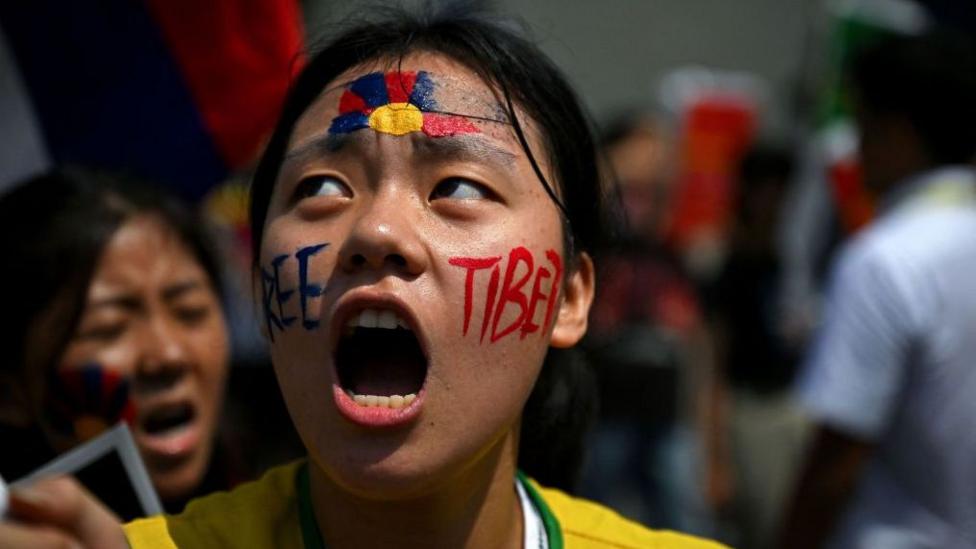
In this piece
BBC Asia reports that China's immense influence now carries a soft-power dimension as well. Critics and dissidents say accounts that challenge the story of the…
China's immense global clout now also includes the flex of soft power, and critics and dissidents say voices that have defied the state are being drowned out, according to a BBC Asia report.
The item, headlined around what it calls China's spectacular rise, sets official success against the complaint of people who opposed that trajectory. In the summary circulated with the piece, soft power is presented as an added dimension of influence, not as a replacement for economic or diplomatic weight.
Soft power, as the report's framing uses the idea, refers to attraction and narrative: the ability to shape how a country is discussed through culture, media and diplomacy. The BBC summary does not inventory particular programmes, outlets or institutions behind that shift.
Critics and dissidents, the report says, argue that their voices are being lost beside that larger story. The material available with the item does not name those speakers, quote them at length or tie the claim to one episode. The complaint is stated as the piece's through-line.
That leaves a familiar tension in coverage of China without adding new measurements. For years, governments, companies and cultural bodies that seek access to the Chinese market have had to weigh commercial and diplomatic interests against criticism of limits on speech. The BBC summary does not assign figures to those pressures or describe a fresh case.
For audiences outside China, the question is whose account of the rise circulates. When narratives travel through state media, exchange, investment and diplomacy, opposing accounts can struggle for the same reach. That is the substance of the complaint as the BBC relays it, rather than a finding that can be quantified from the summary alone.
The phrase drowned out is not offered as a technical measure. It is the language of people who say defiance is being overtaken by volume, access and the prestige attached to China's success. Any specific cases belong to the underlying report; they are not established in the headline and summary at hand.
The argument matters because soft power can colour how a rising state's preferences are received in newsrooms, universities, cultural institutions and international forums. If critics are right that their accounts are sidelined, public discussion of costs that accompany China's rise would be narrower than celebration of its achievements. The BBC item asserts that concern; it does not, in the text available here, test it against named evidence.
Uncertainty should stay visible. This account rests on the BBC Asia headline and summary, which state the soft-power claim and the dissidents' complaint without the interviews, locations or supporting detail. Those elements should not be inferred, and no additional speakers or statistics are established by the source as provided.
What follows is likely to remain a contest over attention. As foreign capitals and newsrooms keep debating China's influence, the question the BBC places at the centre is whether voices that have defied the state can still be heard beside the story of its rise.
Primary source: BBC Asia. Newzly rewrites and structures source reporting for clarity; verify critical details at the original.