entertainment·Maharashtra·Mumbai District
Bollywood Remembers Dharmendra on First Death Anniversary as Tributes Highlight Early Struggles
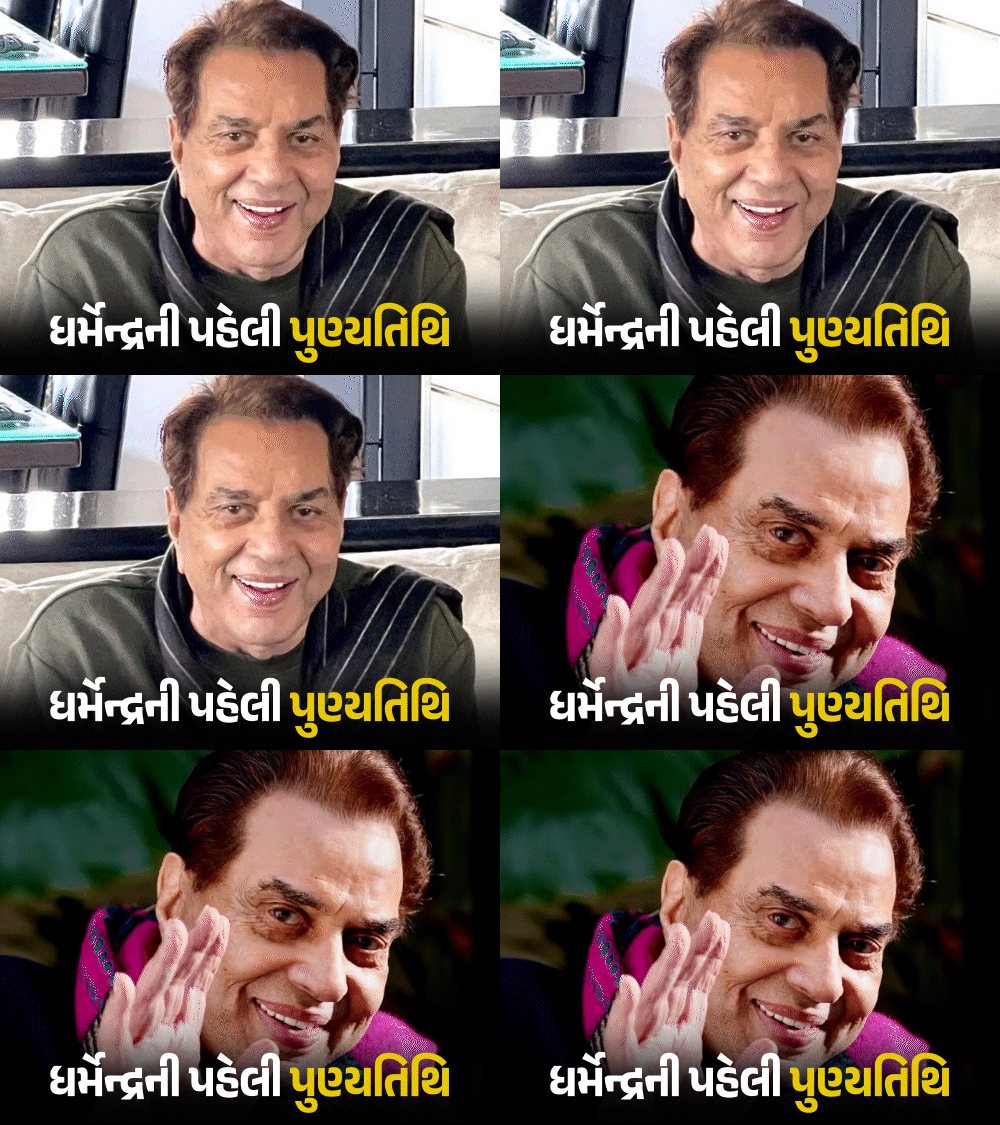
On the first death anniversary of legendary Bollywood actor Dharmendra, film historians and admirers recalled how the iconic star was drawn to Mumbai by Dilip Kumar and signed his debut film for just 51 rupees.
In this piece
The Indian film fraternity and cinema lovers marked the first death anniversary of veteran actor Dharmendra on Tuesday. Retrospectives highlighted his early…
The Indian film industry and legions of moviegoers observed the first death anniversary of veteran actor Dharmendra on Tuesday, paying homage to a performer whose magnetic screen presence earned him the enduring moniker of Bollywood's original "He-Man." Commemorative messages, archival footage, and tributes from across the cultural spectrum circulated widely as admirers reflected on his towering six-decade career in Hindi cinema.
Central to the day's reminiscences were the foundational milestones that shaped his transition from a cinema-struck youth in Punjab to one of the country's most bankable cinematic icons. According to archival accounts and retrospectives, his lifelong ambition to enter films was ignited after watching the acclaimed 1948 movie Shaheed, starring the legendary Dilip Kumar. Enamored by Kumar's understated realism and commanding performance, Dharmendra resolved to chart his own course to the silver screen.
That cinematic inspiration soon spurred the young actor to travel to Mumbai to seek a breakthrough in the Hindi film industry. Having won a nationwide talent contest organized by Filmfare magazine in the late 1950s, he navigated the grueling audition circuits that defined the era. His pursuit was fueled by persistent visits to studios and meetings with veteran industry figures, including a memorable personal encounter with Dilip Kumar, whom he continued to revere as an elder brother and artistic role model throughout his life.
Among the most enduring anecdotes resurfacing on his anniversary is the humble financial arrangement behind his first professional signing. When cast for his early film assignment, the production faced immediate liquidity constraints, leaving the producers unable to offer an advance standard for leading performers. In a gesture that later became part of industry lore, producer T.M. Bihari and two partners pooled their personal pocket money, each contributing 17 rupees to assemble a modest advance of 51 rupees.
Rather than taking offense at the unconventional remuneration, Dharmendra accepted the 51 rupees with deep gratitude, viewing the sum as an auspicious blessing and an official entry into professional filmmaking. The gesture symbolized the resourcefulness and collective camaraderie characteristic of early independent cinema in Bombay. Over the decades, the actor frequently recounted the memory in interviews as a reminder of his roots and the perseverance required during his initial years in the metropolis.
Following his 1960 debut in Arjun Hingorani's Dil Bhi Tera Hum Bhi Tere, Dharmendra steadily expanded his repertoire across romantic dramas, family socials, and muscular action narratives. His striking good looks and athletic frame quickly positioned him as an unconventional leading man capable of portraying both sensitive vulnerability and raw physical prowess. Blockbuster performances in landmark titles such as Phool Aur Patthar, Satyakam, and Sholay cemented his status among the most bankable and versatile actors of Indian cinema's golden age.
His enduring appeal extended beyond box office receipts into Indian popular culture, establishing the archetype of the robust yet gentle hero who bridged rural and urban sensibilities. Colleagues and historians noted that his persona dismantled prevailing conventions of male protagonists, combining action-driven heroism with grounded emotional depth. His ability to sustain mainstream relevance across multiple generations underscored a work ethic that saw him appear in more than three hundred films.
The commemoration also highlighted the continued artistic presence of his family within the contemporary entertainment landscape. With his sons Sunny Deol and Bobby Deol maintaining prominent careers alongside his daughter Esha Deol and extended family, the Deol cinematic legacy remains deeply rooted in Hindi film culture. Memorial retrospectives across regional media emphasized how his humility and grounded approach to fame continue to inspire aspiring artists hailing from small-town backgrounds.
As special screenings and television tributes continue to mark the anniversary week, film archives and cultural institutions are increasingly curating his classic filmography for newer audiences. Cultural commentators observe that as the Indian film landscape evolves with digital distribution, Dharmendra's timeless charm, historic milestones, and early tales of resilience serve as an enduring benchmark for cinematic excellence.
Primary source: Divya Bhaskar Entertainment. Newzly rewrites and structures source reporting for clarity; verify critical details at the original.