world·Delhi·New Delhi District
Cabinet Approves 50% Increase in Lok Sabha Seats with 25-Year Freeze
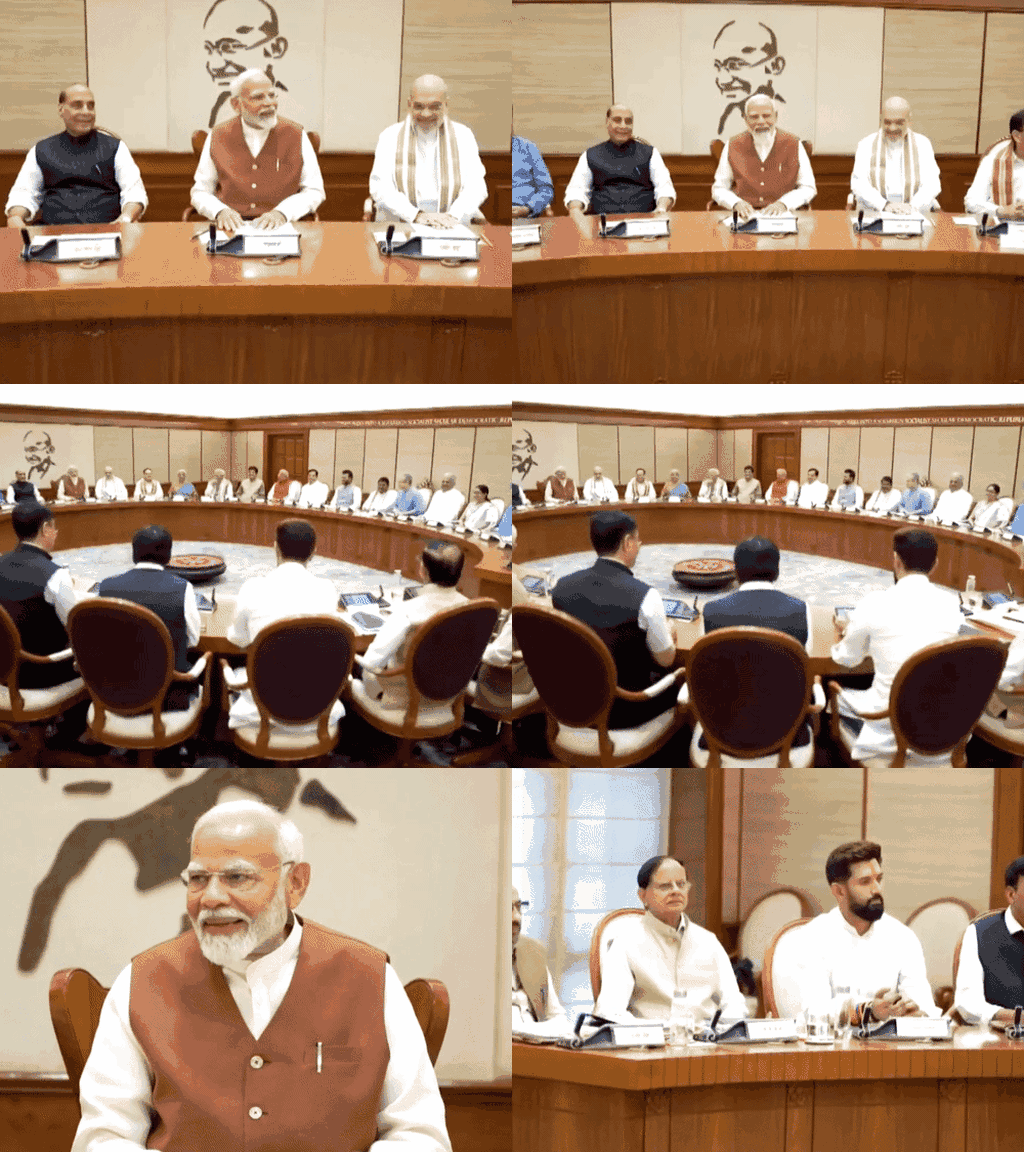
The Union Cabinet has approved a proposal to expand Lok Sabha seats by 50 percent while freezing state-wise allocations for 25 years, with legislation set to reach Parliament on November 30.
In this piece
India's Union Cabinet has approved a constitutional amendment proposal to increase Lok Sabha seats by 50 percent and freeze state allocations until 2051. The…
The Union Cabinet has cleared a proposal to increase the total number of seats in the Lok Sabha by 50 percent, according to reports from Indian media outlets. The key constitutional amendment bill is scheduled to be introduced in the Lok Sabha on November 30 before being presented in the Rajya Sabha on December 2.
Under the approved plan, the seat strength of the lower house of Parliament will expand significantly beyond its existing tally of 543 elected members, potentially rising to more than 800 seats. A central pillar of the proposal stipulates that the newly established allocation of parliamentary seats will remain frozen for the next 25 years, locking in representation levels until 2051.
The decision to implement a uniform proportional increase across all states seeks to resolve a persistent federal dilemma regarding parliamentary reapportionment. By increasing seats across the board rather than allocating them solely on raw demographic growth, the formula aims to safeguard the political voice of states that have successfully implemented population stabilization measures.
Southern states in particular have repeatedly expressed grave concerns that standard delimitation would drastically diminish their legislative weight relative to faster-growing northern states. A proportional expansion combined with a 25-year freeze is designed to quell those federal tensions while still accommodating the demand for broader democratic representation.
The legislative initiative is also directly linked to the implementation of the landmark women's reservation mandate, formally titled the Nari Shakti Vandan Adhiniyam. The constitutional amendment will help establish the delimitation groundwork required to operationalize the 33 percent quota for female lawmakers in the Lok Sabha and state legislative assemblies.
India's parliamentary constituencies have been subject to a long-running constitutional freeze, with current seat distributions reflecting demographic figures from the 1971 census. While the freeze was intended to prevent penalizing states with effective family planning programs, the country's population has more than doubled in the intervening five decades, creating stark disparities in constituent-to-lawmaker ratios.
Physical infrastructure has already been prepared to accommodate a substantially expanded legislative assembly. The new Parliament complex in New Delhi, which opened in 2023, was designed with a Lok Sabha chamber capable of seating 888 members, anticipating future increases in parliamentary membership.
Because the proposal involves amending key constitutional provisions governing the composition and allocation of seats in Parliament, it must satisfy rigorous legislative thresholds. Enactment will require a two-thirds special majority of members present and voting in both the Lok Sabha and the Rajya Sabha, alongside potential ratification by state legislatures.
The introduction of the bill on November 30 is set to ignite extensive debate across party lines during the parliamentary session. Political parties, particularly regional outfits in peninsular India, are expected to examine the detailed statutory language closely to verify how individual state quotas will be maintained throughout the 25-year freeze period.
With the draft legislation slated to move to the Rajya Sabha on December 2, parliamentary managers face a tight timeline to build the cross-party consensus required for constitutional changes. How the government balances regional equity, gender representation, and proportional democracy will shape the trajectory of India's legislative institutions for decades to come.
Primary source: Divya Bhaskar National. Newzly rewrites and structures source reporting for clarity; verify critical details at the original.