California Communities Flooded as Historic King Tides and Heavy Swells Batter the Coast
A dangerous combination of historic king tides, powerful storm swells, and rain has swamped low-lying California coastal towns, closing roads and prompting localized evacuations during a peak holiday travel week.
In this piece
Historic king tides coupled with powerful Pacific storm swells have inundated low-elevation coastal communities across California, prompting localized…
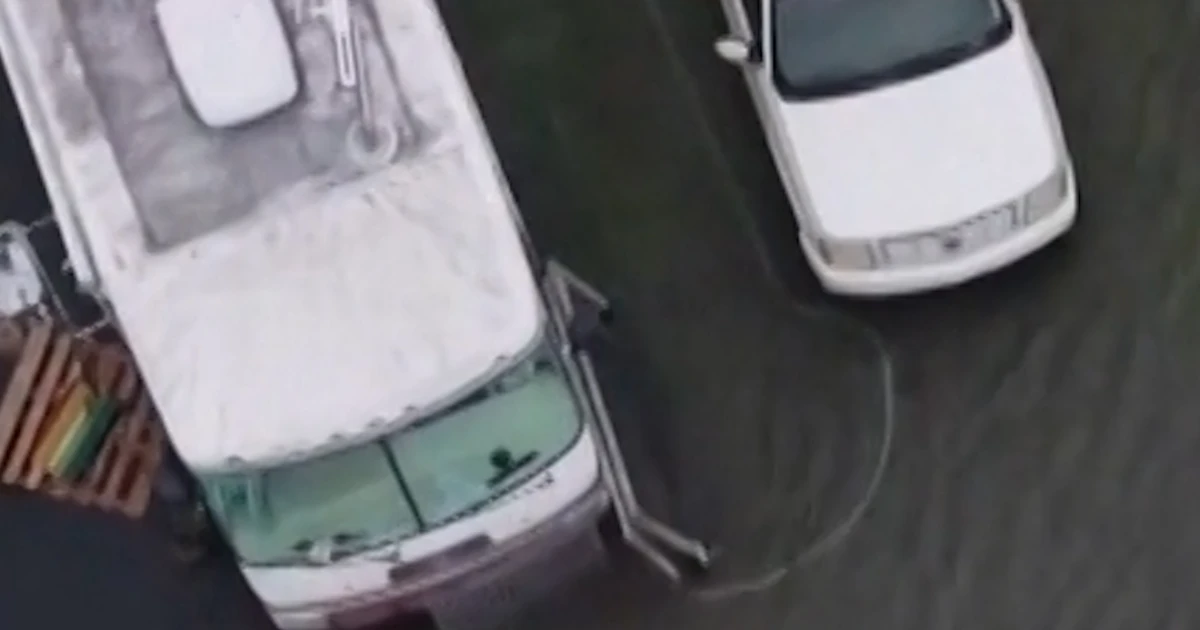
A dangerous convergence of historic king tides, strong Pacific storm swells, and heavy coastal rain has triggered widespread flooding across low-lying California communities this week. Water surged across coastal roadways, beachfront boardwalks, and low-elevation neighborhoods from Northern California down through the Central Coast. Emergency personnel responded to rising water levels as local officials issued coastal flood advisories and warnings across multiple jurisdictions.
In the San Francisco Bay Area, tides ran nearly three feet above normal astronomical predictions, pushing seawater into vulnerable shoreline towns. Coastal communities including Mill Valley and Sausalito in Marin County experienced flooded intersections, inundated parking lots, and water creeping toward residential properties. Farther north in Humboldt County, severe tidal flooding prompted localized evacuation orders as water breached shoreline defenses.
Along Monterey Bay, high water forced public safety agencies in Santa Cruz County to enact precautionary measures, including shelter-in-place recommendations for low-lying areas around Pajaro Dunes. Swells and tidal surges pushed ocean water over seawalls and into coastal access routes, making travel impassable in several shoreline corridors. Local emergency response teams remained stationed along fragile coastal stretches to monitor vulnerable drainage channels.
According to the National Weather Service, water level gauges along parts of the Northern California coastline neared historic marks that had not been observed in decades. Meteorologists reported that the elevated tides challenged water heights last recorded during major Pacific climate events in the early 1980s. The extreme water levels resulted from the gravitational pull of the king tide alignment amplified by seasonal storm energy pushing water directly toward the coast.
Compounding the unusually high tides, powerful offshore storm systems generated massive ocean swells that battered shoreline infrastructure with breakers reaching up to thirty feet in exposed locations. The towering waves drew extreme-sports surfers to renowned big-wave destinations such as Mavericks near Half Moon Bay. However, the same energetic surf created hazardous conditions along public beaches and coastal bluffs, prompting lifeguards to keep spectators back from the water.
The flooding arrived during one of the busiest travel periods of the year, complicating transportation for holiday travelers moving through coastal corridors. Several arterial roads and coastal highways experienced temporary lane closures and traffic detours as municipal crews worked to pump standing saltwater off road surfaces. Authorities cautioned drivers against attempting to navigate flooded roadways, noting that saltwater poses severe hazards to vehicle electronics and mechanical systems.
King tides occur naturally several times a year when the gravitational forces of the moon and the sun align at their closest points to Earth, producing the year's highest astronomical tides. While the tidal cycle itself is predictable, coastal scientists emphasize that concurrent winter storms and strong onshore winds routinely transform routine high water into hazardous flooding events. These recurring occurrences also offer scientists and municipal planners an observable preview of everyday sea levels projected in coming decades.
Urban and environmental planners have noted that the repeated inundation of coastal arteries underscores the increasing vulnerability of aging shoreline infrastructure. Low-lying stormwater systems and drainage outlets frequently become overwhelmed during king tides, leaving runoff with nowhere to drain until tides recede. Cities along the California coastline have begun exploring longer-term adaptation strategies, such as elevating seawalls, installing one-way tide valves, and restoring natural wetland buffers.
As the astronomical tidal cycle peaks and gradually subsides over the coming days, water levels are forecast to slowly trend downward toward typical seasonal heights. Even so, weather forecasters and emergency managers have advised residents in flood-prone coastal zones to remain vigilant for lingering high waters during morning peak tide cycles. Officials will continue monitoring drainage networks, evaluating structural damage along exposed shores, and clearing debris from roadways as coastal communities begin recovery efforts.
Primary source: Google News California. Newzly rewrites and structures source reporting for clarity; verify critical details at the original.