world·Maharashtra·Satara District
Centre Probes Adani Over 99% Cost Cut on Maharashtra Power Project
The Centre has ordered an investigation after Adani Green Energy slashed its Maharashtra pumped storage project cost by 99 percent, causing mandatory wildlife conservation dues to plunge from 227 crore rupees to 2.27 crore rupees.
In this piece
The Union environment ministry has directed Maharashtra authorities to probe Adani Green Energy after the company cut the reported cost of its 1,500 MW Tarali…
The Union Ministry of Environment, Forest and Climate Change has ordered an investigation into Adani Green Energy after the conglomerate drastically reduced the reported capital cost of a major pumped storage hydropower project in Maharashtra by 99 percent. The revision sharply reduced the company's mandatory forest and wildlife conservation payments from hundreds of crores of rupees to a fraction of that figure.
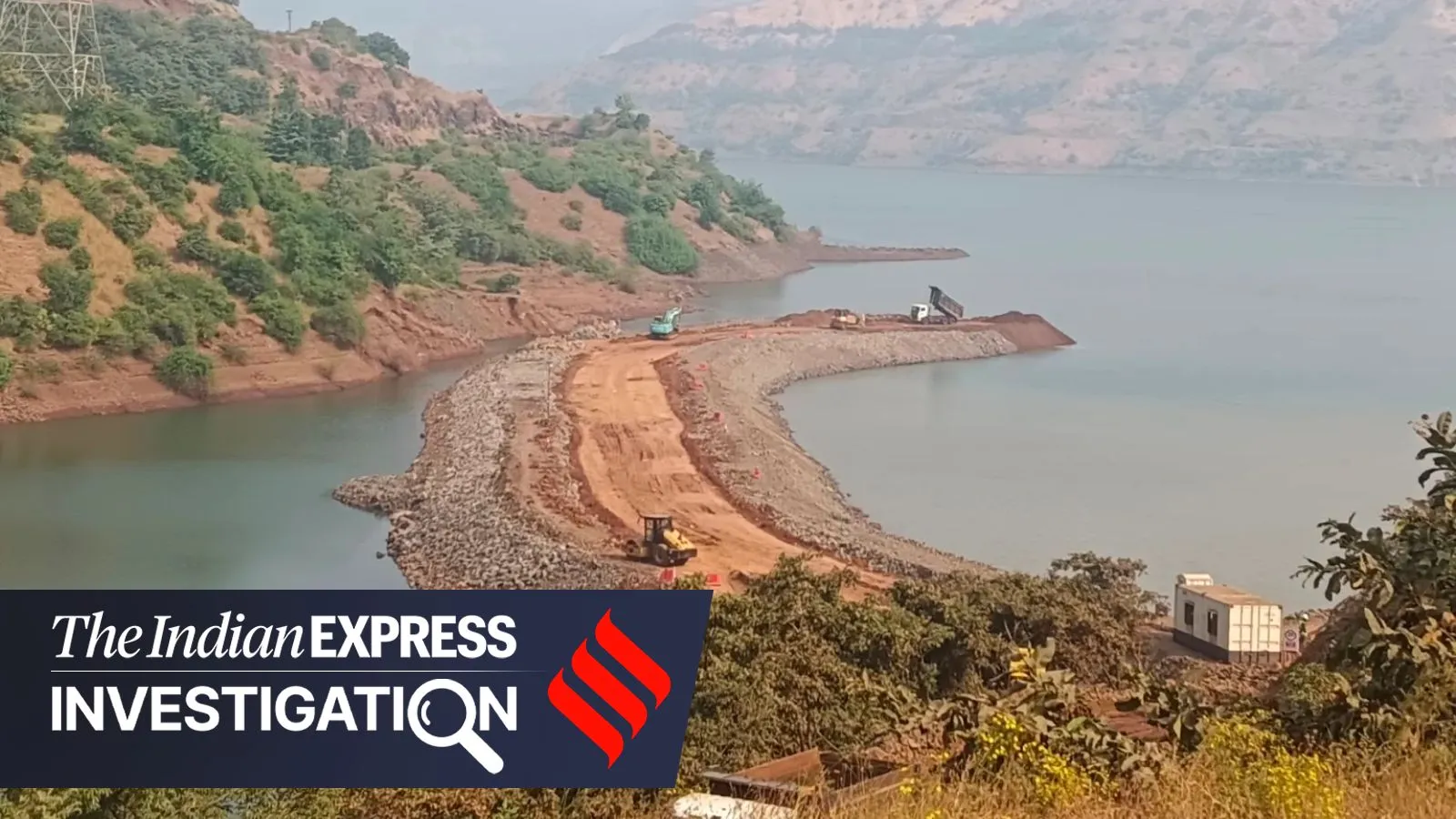
The scrutiny centers on the 1,500-megawatt Tarali pumped storage project planned in Maharashtra's Satara district, situated close to the eco-sensitive zones of the Koyna Wildlife Sanctuary and the Sahyadri Tiger Reserve. According to investigative reports by The Indian Express, the project was originally estimated at 5,675 crore rupees when environmental clearances were sought. However, in a later notarized affidavit submitted to authorities, the project cost was declared as just 56.75 crore rupees.
Under statutory environmental norms, infrastructure developments operating adjacent to protected wildlife habitats and tiger reserves must deposit conservation funds calculated as a direct percentage of their overall capital expenditure. With the project outlay reduced by two orders of magnitude, the mandatory wildlife mitigation assessment tumbled from approximately 227 crore rupees down to roughly 2.27 crore rupees. State records indicate the company subsequently deposited only a small initial fraction corresponding to the altered calculation.
The steep financial discrepancy triggered formal complaints submitted via central public grievance portals highlighting the drastic revision in capital cost. In response to the complaints, the environment ministry instructed the Maharashtra forest department to conduct an urgent inquiry into how the revised valuation was submitted and processed. Officials have been directed to verify the financial disclosures and examine whether statutory clearances complied with mandatory safeguards.
Adani Green Energy, the renewable energy arm of the Ahmedabad-headquartered Adani Group, has been rapidly expanding its portfolio of pumped storage and renewable infrastructure across several Indian states. Large-scale pumped hydro installations are designed to balance the national electrical grid by pumping water uphill during periods of surplus power and releasing it through turbines when demand surges. Such ventures typically require extensive land diversion and complex civil engineering work, involving billions of rupees in capital outlays.
The Tarali site is located within the biodiversity-rich Western Ghats, a globally recognized ecological corridor that supports fragile flora and endangered fauna. Conservationists have long emphasized that stringent mitigation funds are vital to minimize the ecological footprint of major industrial infrastructure near the Sahyadri Tiger Reserve. The sharp drop in conservation contributions sparked concerns among environmental observers regarding the long-term protection of contiguous forest corridors.
The revelations have also ignited intense political controversy in Maharashtra and New Delhi. Leaders from the opposition Congress party seized upon the reports, characterizing the 99 percent cost write-down as an egregious circumvention of environmental oversight and reiterating demands for a broader parliamentary investigation into the conglomerate's transactions. Political critics questioned how regulatory bodies could accept a massive power plant valuation equivalent to that of a minor commercial building.
While company representatives have faced intense scrutiny regarding the submission, state administrative offices are reviewing the documentation and affidavits filed during the clearance phases. Investigators are reviewing whether the figure represented an administrative anomaly, a clerical entry error, or an intentional misrepresentation designed to evade statutory environmental levies.
The Maharashtra forest department is expected to submit its findings to the Union environment ministry once field inspections and document verifications are completed. The outcome of the probe could force a reassessment of clearances for the Tarali installation and prompt federal regulators to tighten scrutiny across fast-tracked renewable infrastructure clearances nationwide.
Primary source: Google News Maharashtra. Newzly rewrites and structures source reporting for clarity; verify critical details at the original.