Centre Sanctions Fresh Border Infrastructure in Arunachal Pradesh to Bolster Forward Mobility
India has approved new tactical footbridges and 26 strategic border roads in Arunachal Pradesh to counter Chinese military friction and improve troop mobility along the Line of Actual Control.
In this piece
The Indian government has sanctioned new tactical bridges and 26 strategic road links along the China border in Arunachal Pradesh. The infrastructure push aims…
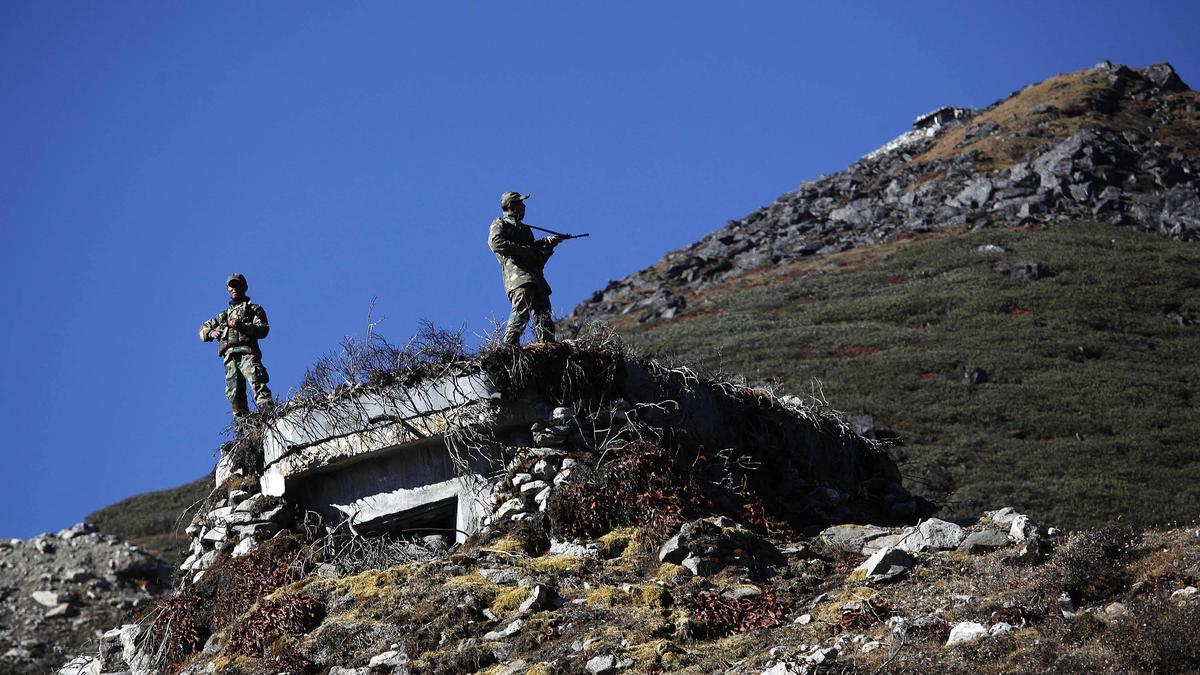
The Indian central government and border security authorities have sanctioned a fresh package of tactical and strategic infrastructure along the Line of Actual Control in Arunachal Pradesh. The initiative is aimed at bolstering border surveillance, accelerating troop mobility, and eliminating persistent logistical bottlenecks across remote frontier regions facing China. The targeted push comes amid broader national efforts to safeguard forward defense positions along the country's eastern frontier.
Under the newly cleared tactical component, the Indo-Tibetan Border Police has approved the construction of 15 pedestrian foot suspension bridges and 18 log bridges. These specialized crossings are slated for installation across rugged border sectors in remote frontier districts, including Upper Subansiri, Kurung Kumey, and Upper Dibang Valley. The crossings are designed to restore and maintain critical foot access to forward patrol points located in isolated mountain passes.
Because constructing heavy motorable highways in such steep, razor-sharp mountain terrain requires years of engineering work, tactical bridges provide immediate operational utility. Frontier troops frequently negotiate dangerous gorges, roaring rivers, and landslide-prone ridges during long-range border patrols, making durable footbridges essential for safe transit. Without these structures, movement between forward outposts can be completely severed during severe weather events.
Alongside the immediate tactical bridge installations, the Cabinet Committee on Security has cleared the third phase of the Indo-China Border Roads project. This extensive program, known as ICBR-III, includes 26 new strategic road alignments across Arunachal Pradesh designed to facilitate rapid troop deployment and heavy logistical supply chains. The road network will connect isolated border outposts directly to primary highway arteries further south.
The infrastructure sanctions follow persistent security challenges and episodic military face-offs between Indian forces and China's People's Liberation Army along the eastern sector. Recurring localized confrontations and patrolling friction have highlighted the operational necessity of maintaining an uninterrupted, physically supported presence along sensitive sections of the boundary. Security officials emphasize that reliable access reduces the risk of operational blindness during standoffs.
Enhanced pedestrian crossings and forward routes enable security forces to assert territorial control more effectively along undemarcated stretches of the frontier. Regular patrolling access prevents unilateral attempts to alter the status quo in secluded valleys that historically remained inaccessible during heavy snowfall and monsoons. Sustaining routine patrols remains crucial for monitoring movements and maintaining established territorial claims.
The infrastructure push also addresses long-standing strategic asymmetries across the disputed border. Across the Line of Actual Control, China has developed extensive dual-use villages, paved highway networks, and advanced staging bases on the Tibetan plateau. India has consequently accelerated its own forward-area connectivity to ensure rapid mobilization of reinforcements and field supplies whenever operational demands arise.
Executing these remote border projects requires synchronized coordination between the Indo-Tibetan Border Police, the Indian Army, and frontier engineering agencies. Construction personnel face severe geographical and climatic challenges, including narrow operational weather windows, frequent monsoon landslides, and harsh winter conditions across high-altitude passes. Transporting heavy building materials to remote valley heads frequently requires pack animals or helicopter sorties.
Looking ahead, authorities intend to expedite the construction of the tactical suspension bridges while phased road engineering under ICBR-III moves into active implementation. Security planners view the combined strategy of coupling rapid footbridges with permanent arterial highways as vital for maintaining deterrence and operational parity. The ongoing developments indicate that India will continue investing heavily in frontier defense logistics amid protracted regional boundary tensions.
Primary source: Google News Arunachal Pradesh. Newzly rewrites and structures source reporting for clarity; verify critical details at the original.