China Issues Mount Fuji Warning as Missing Climber's Family Offers $75,000 Reward
Chinese officials have warned against unauthorized climbs on Mount Fuji after the family of missing hiker Chen Jie offered a $75,000 reward, stoking fears of reckless winter rescue attempts.
In this piece
China's embassy in Japan has urged citizens to avoid climbing Mount Fuji after the family of missing 25-year-old tourist Chen Jie offered a $75,000 cash reward.…
Chinese authorities have issued an urgent travel advisory warning nationals against unauthorized off-season climbs on Mount Fuji, following growing alarm over a massive cash reward offered by the family of a missing Chinese tourist. The family of 25-year-old Chen Jie announced a bounty of up to 500,000 yuan, roughly $75,000, for anyone who finds him alive, alongside a smaller sum for locating his remains.
Chen went missing on November 8 after attempting to ascend Japan's most famous peak via the popular Yoshida Trail. Although he initially set out alongside two companions, the other climbers decided to turn back as weather conditions deteriorated rapidly and their gear proved insufficient. Chen continued his ascent alone despite the harsh alpine environment, sending a final video update to a friend before vanishing.
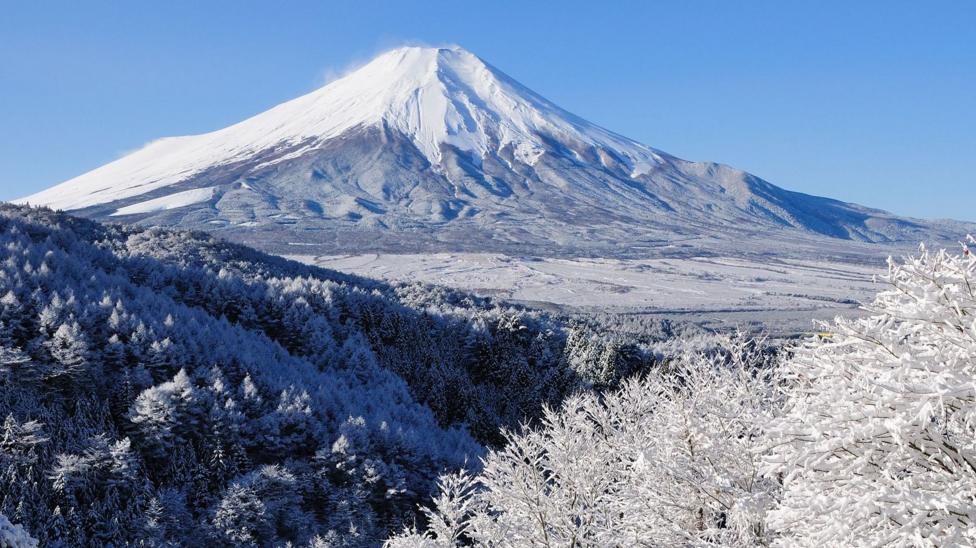
Mount Fuji's official climbing season concludes in early September, after which trail facilities, first-aid stations, and mountain huts shutter for the winter. During the colder months, the 3,776-meter volcanic peak transforms into an unforgiving expanse of sub-zero temperatures, dense snow cover, and fierce gale-force winds. Off-season ascents require specialized mountaineering expertise, advanced cold-weather gear, and mandatory climb plans submitted to local authorities.
Emergency crews and officers from the Yamanashi Prefectural Police initiated aerial and ground search operations shortly after Chen was reported missing. However, persistent snowstorms and extreme freezing conditions severely hampered search teams, creating hazardous operational environments. Authorities were ultimately forced to scale back ground operations to prevent rescuers from becoming casualties themselves.
Frustrated by the lack of progress, Chen's relatives traveled to Japan and publicized the substantial financial incentive to spur private search initiatives. While born out of desperation, the $75,000 offer triggered intense backlash from Japanese mountaineering professionals and local officials. Critics warned that the reward could incentivize inexperienced climbers or thrill-seekers to mount reckless recovery expeditions in search of a payout.
Veteran alpine guides and regional safety monitors stressed that Mount Fuji in winter presents deadly hazards even to seasoned mountaineers. Rescuers cautioned that an influx of amateur bounty hunters risks triggering secondary disasters, placing an unnecessary burden on local emergency services. In several online forums and official statements, Japanese authorities reiterated that unauthorized winter climbing without proper registration and survival equipment is both irresponsible and illegal on closed sections.
In response to the mounting controversy and physical dangers, the Chinese Embassy in Japan published an urgent consular notice. The diplomatic mission called on Chinese nationals to strictly abide by Japanese safety laws and heed seasonal closures on natural landmarks. The embassy also urged travelers to respect local emergency protocols and resist undertaking high-risk mountain excursions that endanger themselves and rescue personnel.
The incident highlights broader challenges facing Japanese authorities as Mount Fuji contends with surges in international tourism and underprepared hikers. In recent years, prefectural governments have implemented trail fees, daily climber caps, and tighter gate restrictions during peak season to control crowding and improve safety. Nonetheless, off-season trespassing remains a persistent headache for regional administrators who have limited tools to physically blockade every trail entrance.
Local officials in Yamanashi and Shizuoka prefectures maintain that official search efforts can only resume safely if weather conditions stabilize significantly. Meanwhile, community leaders and mountain safety advocates hope the embassy's warning will discourage unauthorized search parties from ascending the icy slopes. For now, the mountain remains shrouded in severe winter conditions, with authorities appealing to the public to prioritize human life over financial rewards.
Primary source: BBC Asia. Newzly rewrites and structures source reporting for clarity; verify critical details at the original.