world·Delhi·New Delhi District
Japan to Test Extended-Range Missiles in India Amid Domestic Space Constraints
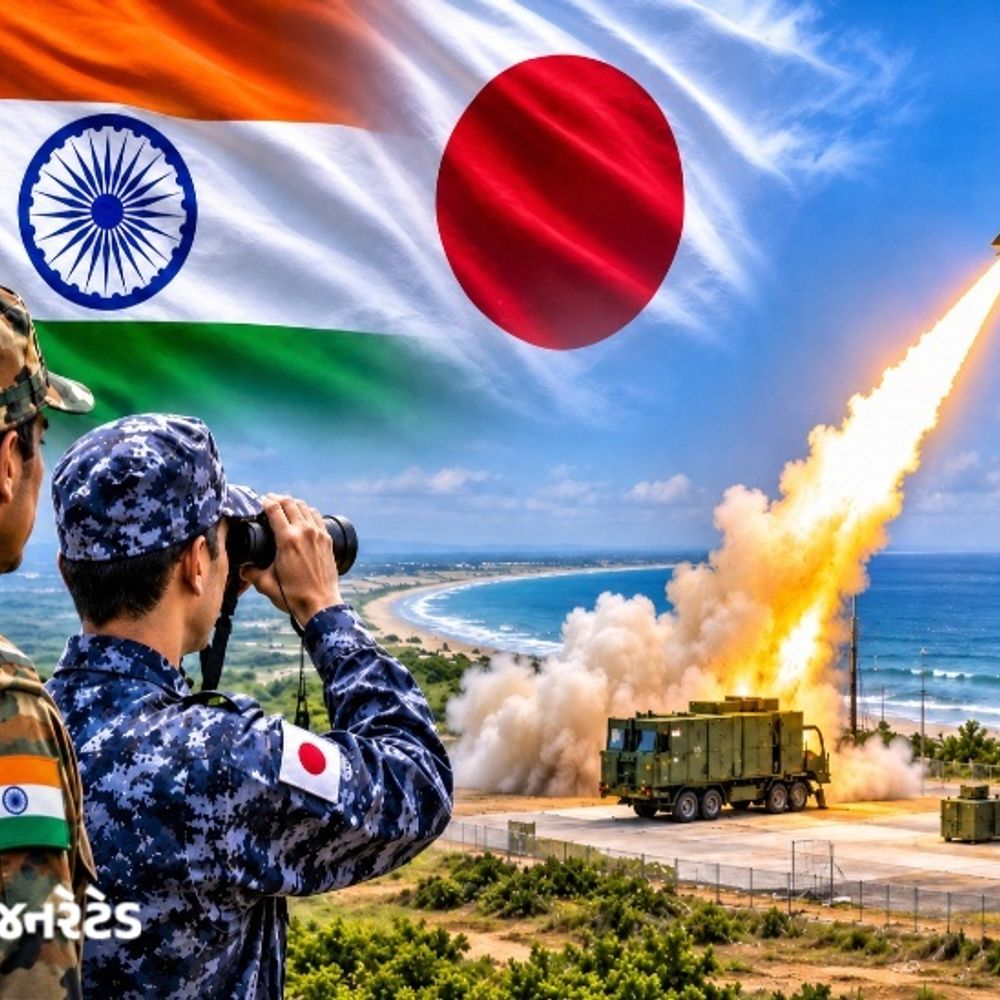
Japan is preparing to test its new 1,000-kilometer range missiles at Indian military firing ranges, leveraging bilateral defense cooperation to overcome severe space and safety constraints at home.
In this piece
Japan plans to conduct live-fire tests of its extended-range missiles at military facilities in India due to domestic geographic and airspace limitations. The…
Japan is preparing to conduct live-fire tests of its advanced long-range missiles at military ranges in India, addressing severe domestic geographic constraints that prevent comprehensive weapons evaluations at home. The initiative follows bilateral security discussions where both governments advanced arrangements to grant Japan’s Self-Defense Forces access to Indian testing infrastructure. The arrangement marks an unprecedented milestone in strategic defense cooperation between New Delhi and Tokyo.
At the center of Tokyo's testing requirements is its upcoming surface-to-ship missile capability, designed to strike targets at distances of approximately 1,000 kilometers. Japanese defense officials have accelerated the development of extended-range munitions to bolster deterrence across the nation's southwestern island chain. However, verifying the operational performance of such long-range strike weapons requires massive maritime and aerial corridors that Japan cannot accommodate within its own territorial limits.
Japan's archipelago is heavily populated and surrounded by congested international shipping lanes, active commercial fishing grounds, and sensitive neighboring maritime borders. Conducting live-fire tests of extended-range munitions domestically poses severe safety hazards and risks provoking diplomatic incidents with neighboring states. As a result, Tokyo has historically relied on overseas firing ranges, previously dispatching units to facilities in the United States and Australia for heavy artillery and surface-to-air missile exercises.
India offers an attractive alternative with well-established testing facilities, including the Integrated Test Range along the eastern coastline off the Bay of Bengal. Indian test corridors routinely accommodate launches of intermediate and long-range ballistic, cruise, and anti-ship missile systems over vast expanses of open water. The availability of dedicated tracking radars, telemetry stations, and naval recovery units makes India's testing architecture exceptionally suited for evaluating extended-range flight profiles.
The initiative gathered significant momentum during recent high-level bilateral dialogues, including ministerial meetings between the defense and foreign affairs leadership of both nations. The two governments signed a Letter of Intent aimed at expanding live-fire military training opportunities and exploring reciprocal logistical support for their respective armed forces. Officials underscored that deepening operational coordination reflects a shared commitment to maintaining stability and freedom of navigation across the Indo-Pacific.
The testing agreement arrives amid growing security challenges across the region, where both nations seek to modernize their defensive capabilities and deter unilateral changes to the territorial status quo. Both New Delhi and Tokyo are key partners in the Quadrilateral Security Dialogue alongside the United States and Australia, working to build multilateral security interoperability. Deepening bilateral defense exchanges allows both militaries to align operational doctrines while building technical familiarity with each other’s defense systems.
Beyond live-fire missile trials, the broader framework under consideration is expected to facilitate joint evaluations of unmanned systems, coastal surveillance equipment, and specialized defense electronics. Tokyo has progressively dismantled decades of self-imposed restrictions on defense exports and overseas military collaboration, seeking trustworthy partners for co-development. India's expanding domestic defense manufacturing ecosystem and testing capabilities provide a natural avenue for Japanese defense industrial collaboration.
Deploying Japanese military personnel, sensitive missile prototypes, and proprietary telemetry equipment to Indian facilities will require rigorous security protocols and logistical coordination. Defense planners must establish specialized data-protection measures to ensure sensitive technological specifications remain confidential throughout shipping, deployment, and testing. Diplomatic clearances for military transport aircraft and naval support vessels will also need to be streamlined prior to the start of field exercises.
Regional observers note that the collaboration will likely draw close scrutiny from neighboring countries, particularly China, which has consistently criticized expanding defense ties among Quad partners. Neither Tokyo nor New Delhi has framed the testing initiative as directed at any specific adversary, maintaining that the exercises are defensive and technical in nature. Even so, the presence of Japanese military assets at Indian ranges signals a substantial elevation in the scope of bilateral strategic trust.
Military delegations from both nations are scheduled to continue technical discussions to finalize scheduling, range safety guidelines, and environmental assessments. The first round of trials will likely begin with baseline system calibrations and smaller unmanned platforms before advancing to full-scale extended-range missile flights. Defense analysts anticipate that successful trials will pave the way for regularized joint training and deeper tactical integration over the coming years.
Primary source: Divya Bhaskar International. Newzly rewrites and structures source reporting for clarity; verify critical details at the original.