CIA and ODNI Suffer Cyber Breach of Unclassified Networks
A cyber intrusion struck unclassified intelligence systems at the CIA and ODNI, exposing open-source research platforms while leaving classified secrets protected, according to U.S. officials and reports.
In this piece
Unclassified systems used by the CIA and the Office of the Director of National Intelligence have suffered a cybersecurity breach affecting open-source research…
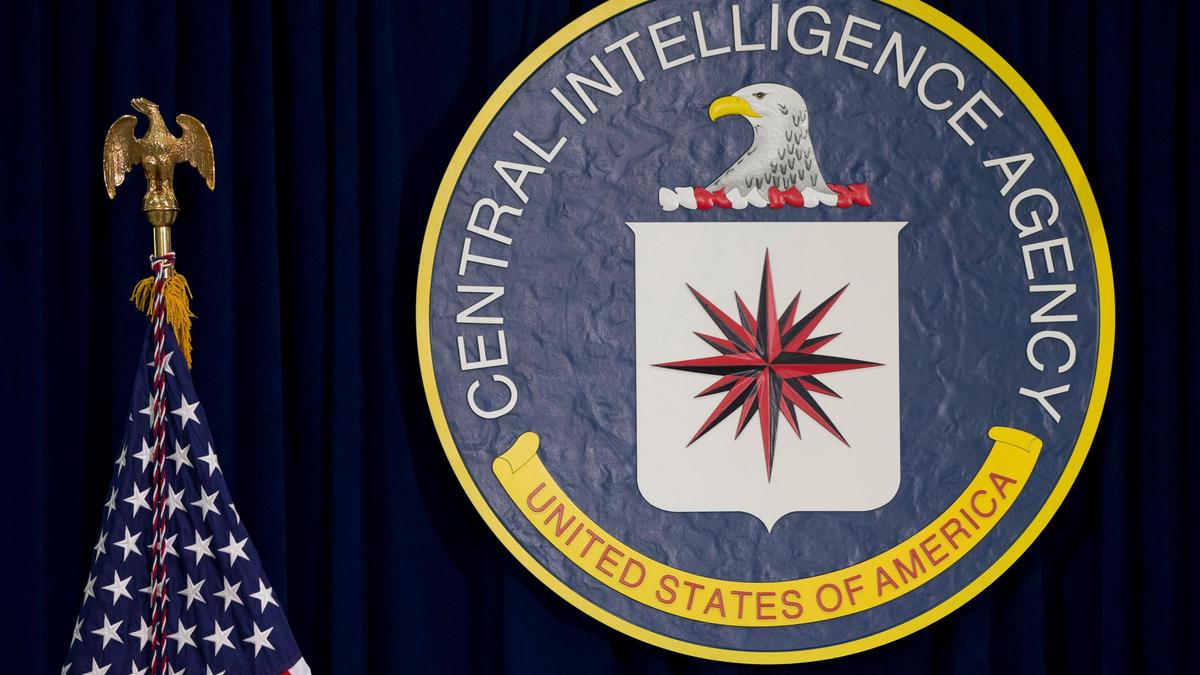
A cybersecurity breach has compromised unclassified computer systems used by the Central Intelligence Agency and the Office of the Director of National Intelligence, according to reports by major news organizations. U.S. officials confirmed that unauthorized actors gained access to networks primarily utilized for open-source intelligence analysis. While investigators examine the scope of the incident, officials emphasized that no classified systems or secret intelligence holdings were affected.
The intrusion also impacted systems associated with other intelligence components, including the National Geospatial-Intelligence Agency. The targeted infrastructure supports tools that intelligence officers rely on to collect, process, and analyze publicly accessible materials. Analysts routinely use these environments to monitor global events through foreign news broadcasts, social media posts, commercial satellite imagery, and commercial data feeds.
Federal authorities stressed that strict technical firewalls and air gaps isolate the intelligence community's top-secret networks from the affected unclassified systems. Agency spokespeople maintained that operational capabilities and day-to-day intelligence collection remained fully functional throughout the incident. Officials have sought to reassure lawmakers and the public that covert sources and sensitive operational methods remain protected behind secured perimeters.
Despite the unclassified nature of the accessed networks, cybersecurity specialists warn that the breach poses meaningful intelligence risks. Hostile actors inspecting open-source research platforms can examine analytical search queries, data aggregations, and monitoring priorities. By mapping what analysts are investigating, foreign adversaries can deduce the strategic focus of U.S. intelligence agencies and identify potential analytical blind spots.
Security experts also point out that tracking unclassified digital workflows can reveal the identities and institutional affiliations of specific intelligence personnel. Even without classified disclosures, metadata, login habits, and tool usage logs can provide foreign counterintelligence services with valuable targeting information. Such reconnaissance could allow adversaries to construct targeted phishing campaigns or identify researchers working on sensitive geographical and technological domains.
Federal investigators and intelligence community incident responders are actively probing the origin and vectors of the digital intrusion. Preliminary investigative threads have explored potential links to sophisticated state-backed actors, including cyber operators associated with China, though officials have stopped short of issuing a formal attribution. Government cyber forensic teams continue to review server logs, traffic telemetry, and command-and-control signatures to verify the perpetrators.
The security incident unfolds against a backdrop of increasing cyber pressure directed against federal agencies and critical domestic infrastructure. In recent months, multiple government departments, including the FBI and the Department of Agriculture, have confronted technical disruptions, vendor vulnerabilities, and sophisticated network intrusions. The ongoing barrage has elevated concerns in Washington regarding the resilience of digital infrastructure supporting civil and security functions.
Congressional oversight committees are monitoring the breach closely and have requested comprehensive briefings from intelligence leadership regarding the attack vector. Lawmakers have repeatedly pressured federal departments to modernize legacy systems, enforce zero-trust security architectures, and eliminate supply-chain vulnerabilities across government contractors. The incident is expected to intensify legislative oversight into how intelligence agencies safeguard their ancillary and non-classified computational platforms.
In the coming weeks, the CIA and partner agencies are expected to complete digital forensic audits and implement reinforced security protocols across unclassified networks. Agencies are reviewing access controls, patching vulnerable access gateways, and evaluating open-source data pipeline partnerships. As the post-incident assessment concludes, administration officials will determine whether public attribution and diplomatic or technical countermeasures are warranted.
Primary source: Google News India. Newzly rewrites and structures source reporting for clarity; verify critical details at the original.