Cinematic Retelling of 'Ramayana' Framed as Must-Watch Epic for Audiences
A new cultural analysis highlights the Ranbir Kapoor and Sai Pallavi-led 'Ramayana' adaptation as a defining theatrical spectacle, emphasizing its ambition to bridge timeless mythology with modern cinematic scale.
In this piece
A cultural review published by Divya Bhaskar characterizes the forthcoming 'Ramayana' cinematic adaptation as an essential theatrical experience for Indian…
A cinematic analysis of the major Indian epic adaptation 'Ramayana', starring Ranbir Kapoor and Sai Pallavi, has highlighted the production as an essential theatrical spectacle for national audiences, according to commentary published by Divya Bhaskar. The appraisal frames the ambitious mythological venture as a defining milestone in contemporary Indian filmmaking.
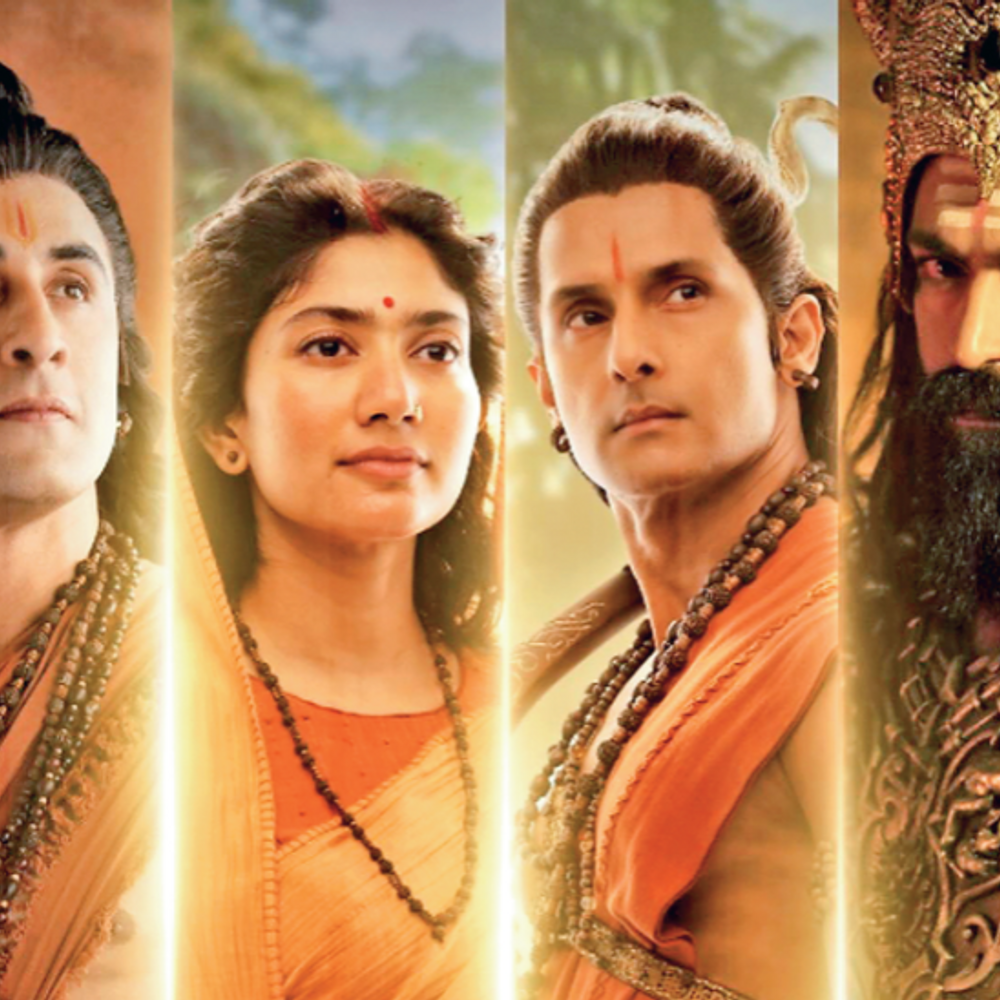
Directed by filmmaker Nitesh Tiwari, the multi-part cinematic project brings together a prominent ensemble cast to retell the Sanskrit epic on a grand canvas. Ranbir Kapoor portrays Lord Rama alongside Sai Pallavi as Sita, marking one of the most keenly followed on-screen pairings in recent Indian film history.
The cultural review emphasizes both the expansive scale and emotional resonance of the adaptation, characterizing the film as an experience crafted to engage audiences across generations. Observers note that translating revered ancient narratives into modern visual storytelling requires balancing textual fidelity with sophisticated narrative craftsmanship.
The production has reportedly marshaled substantial investment in visual effects, architectural sets, and period design to reconstruct the ancient era with unprecedented detail. Film analysts view the technical ambition as part of a wider industry movement where Indian historical cinema increasingly matches global cinematic production standards.
The enduring narrative power of the Ramayana saga continues to command deep public interest across diverse storytelling mediums in India. From pioneering television broadcasts in past decades to contemporary high-definition cinema, audiences have consistently embraced well-crafted, respectful interpretations of the epic.
Previous high-profile adaptations of mythological texts across the Indian film sector have encountered intense public scrutiny regarding dialogue tone, characterization, and visual aesthetics. Commentators emphasize that executing a visually rich yet culturally grounded vision remains critical for broad critical acclaim and box-office longevity.
The production also reflects evolving domestic distribution dynamics, where landmark projects are conceived from inception for multi-regional and multilingual engagement. By uniting leading creative talent across regional industries, the film seeks to draw audiences seamlessly across varied language markets nationwide.
Cultural commentators argue that monumental cinematic initiatives of this stature function not only as commercial tentpoles but also as shared national reference points. A successful execution at this magnitude typically sets technical and artistic benchmarks for future epic storytelling across the subcontinent.
As promotional previews and theatrical scheduling details continue to develop, public anticipation surrounding the project remains notably elevated. The ultimate reception of the lavish adaptation will evaluate how effectively cutting-edge cinematic technique can honor and elevate one of India's most cherished cultural epics for contemporary viewers.
Primary source: Divya Bhaskar Magazine. Newzly rewrites and structures source reporting for clarity; verify critical details at the original.