Coastal Storm Leaves Dozens of Delaware Roads Closed Amid Severe Flooding
A powerful coastal storm battered Delaware with high winds and tidal flooding, forcing officials to shut down more than 50 roads and deploy emergency units to inundated shoreline communities.
In this piece
A major coastal storm caused severe flooding and downed trees across Delaware, leading to the closure of over 50 roadways, including parts of Route 1. Emergency…
A ferocious coastal storm swept across Delaware, flooding low-lying areas, knocking down trees, and forcing transportation officials to close dozens of major roads and local thoroughfares. The powerful system delivered destructive wind gusts and prolonged tidal inundation, disrupting travel plans across the First State and leaving coastal communities under feet of water. Law enforcement and weather monitors reported widespread hazards as the system lashed coastal and inland corridors alike.
The Delaware Department of Transportation confirmed that high water, downed power lines, and storm debris impacted more than 50 roadways statewide. Crews worked around the clock to block off impassable streets, assess structural damage, and clear fallen limbs as coastal surges overwhelmed municipal drainage systems. Transportation officials noted that standing water made numerous secondary routes completely unrecognizable and unsafe for motor vehicles.
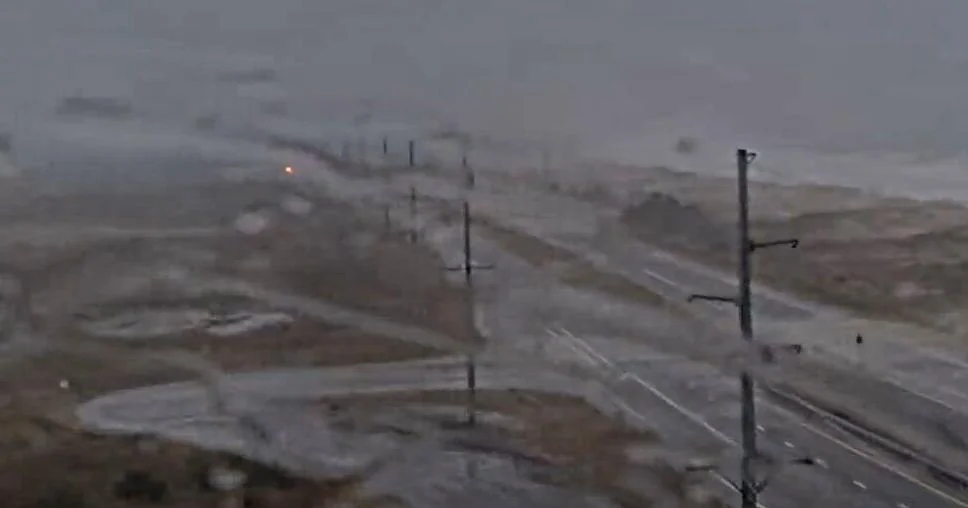
Among the hardest-hit corridors were coastal arteries in Sussex and Kent counties, where tidal water spilled over shorelines and breached dunes. Portions of Route 1, the primary north-south conduit connecting Delaware's beach towns, were submerged and shut down near the Indian River Inlet Bridge. The shutdown severed key transit routes between coastal municipalities, isolating resort areas and forcing lengthy detours inland.
Along the Delaware Bay, low-lying communities experienced severe, near-record coastal inundation as successive high tide cycles pushed water deep into residential neighborhoods. In towns such as Bowers Beach, local emergency crews and units from the Delaware National Guard were deployed with high-water vehicles to assist stranded residents. Emergency responders conducted welfare checks and navigated flooded streets to reach families trapped in waterlogged homes.
The storm, which developed into an intense nor'easter over the holiday period, combined heavy rainfall with sustained onshore winds that prevented bays and tidal rivers from draining naturally. Wind gusts toppled mature trees and damaged utility infrastructure, triggering scattered electrical outages and creating hazardous driving conditions. Thousands of utility customers experienced intermittent blackouts as line crews contended with hazardous wind speeds and sodden ground.
Emergency management officials emphasized that the disruption extended far beyond typical splash-over flooding. The persistent direction and duration of the onshore winds trapped coastal floodwaters over several consecutive tidal cycles, compounding damage to road foundations, private driveways, and beach barriers. Officials warned that repeated inundation weakened soil structures along critical evacuation routes.
The widespread closures posed severe challenges for local emergency responders and travelers navigating the state's transportation network. Public safety agencies repeatedly urged motorists to heed barricades, avoid non-essential travel, and resist driving through standing water of unknown depth. Officials cautioned that moving floodwaters often concealed washed-out shoulders, active electrical lines, and heavy debris beneath the surface.
Beyond the immediate travel chaos, the storm underscored the persistent vulnerability of Delaware's low-lying coastal infrastructure to severe Atlantic weather events. Repeated overwash along vital thoroughfares like Route 1 continues to raise questions regarding long-term highway resilience and dune management. State and local planners face mounting pressure to reinforce coastal protections as extreme tidal surges become more frequent and costly.
Transportation crews and emergency personnel remained active across affected regions as water levels began a slow and gradual retreat. DelDOT announced that maintenance teams would conduct comprehensive pavement inspections and clear lingering sand and debris before reopening closed routes. State authorities urged residents to remain vigilant during remaining high-tide cycles and monitor local traffic advisories for real-time updates.
Primary source: Google News Delaware. Newzly rewrites and structures source reporting for clarity; verify critical details at the original.