Condé Nast Traveller Highlights Sikkim's Top Travel Destinations
Condé Nast Traveller India has spotlighted Sikkim's premier destinations, highlighting the Himalayan state's compelling mix of historic Buddhist monasteries, dramatic alpine valleys, and eco-conscious retreats.
In this piece
A curated travel guide by Condé Nast Traveller India outlines the essential destinations across Sikkim. From the vibrant streets of Gangtok to high-altitude…
Condé Nast Traveller India has highlighted Sikkim's premier travel destinations, spotlighting a growing preference among domestic and international tourists for mindful high-altitude exploration and cultural retreats. The travel curation underscores how the Himalayan state blends vibrant urban hubs, ancient monastic architecture, and pristine alpine wilderness into an evolving regional itinerary.
At the center of Sikkim's visitor circuit remains the capital, Gangtok, which pairs bustling civic life with panoramic Himalayan vistas. Travelers flock to the pedestrian-only spine of MG Marg for regional dining and local handicrafts, while viewpoints like Tashi Viewpoint offer sweeping morning perspectives of the surrounding mountain ridges.
Spiritual landmarks form an indispensable element of the state's cultural appeal, anchored by historic centers such as Rumtek Monastery. Situated just outside the capital, Rumtek functions as an important seat of Tibetan Buddhism's Kagyu order, drawing visitors alongside the older Enchey Monastery perched above Gangtok.
Venturing deeper into East Sikkim, the glacial waters of Tsomgo Lake reflect steep alpine ridges at an altitude exceeding 12,000 feet. Nearby, the historic Nathu La Pass on the Indo-China border marks an iconic Himalayan transit corridor, accessible via specialized permits for high-altitude sightseeing.
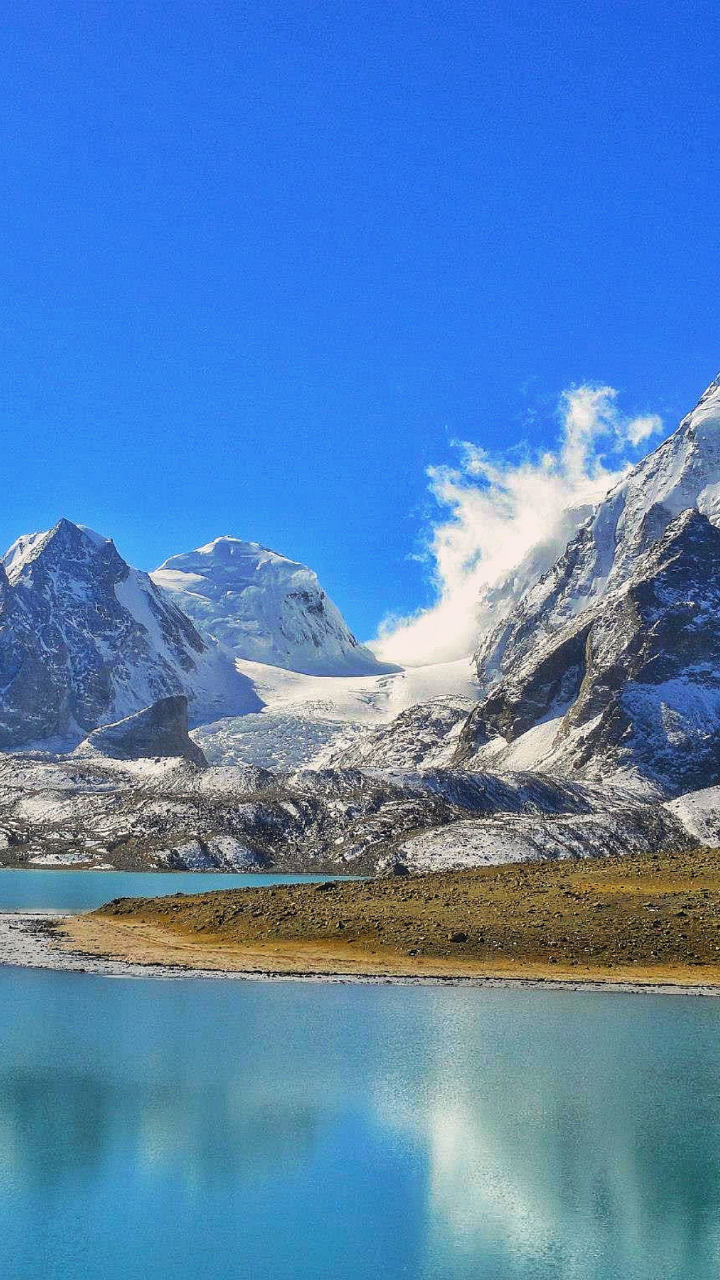
To the north, the base settlements of Lachung and Lachen open pathways to some of the Eastern Himalayas' most dramatic landscapes. Lachung provides access to the rhododendron-rich meadows of Yumthang Valley, while Lachen serves as the staging post for the sacred, high-elevation waters of Gurudongmar Lake.
In West Sikkim, the tranquil town of Pelling offers travelers direct, panoramic sightlines of Mount Kanchenjunga, India's highest peak. The surrounding hills preserve deep heritage, housing the centuries-old Pemayangtse Monastery and the royal stone ruins of the historic Rabdentse Palace complex.
Further west lies Yuksom, the historic first capital where the kingdom of Sikkim was consecrated in the seventeenth century. Today, the settlement serves both as a quiet cultural monument and as the primary base camp for high-altitude trekking into Khangchendzonga National Park.
South Sikkim presents a quieter pace centered around towns like Namchi and Ravangla, where monumental Buddhist artistry defines the landscape. Ravangla's Buddha Park features a towering golden statue framed by mountain ridges, while Namchi showcases extensive pilgrimage grounds and traditional tea gardens.
The destination review reflects Sikkim's deliberate shift toward sustainable and eco-conscious hospitality in recent years. By prioritizing organic agriculture, regulated vehicle entry, and community-led stays, the state seeks to manage tourism growth without compromising delicate alpine ecosystems.
As travel interest across the Eastern Himalayas continues to expand, local operators and regional authorities are emphasizing seasonality and permit awareness. Prospective travelers are encouraged to align journeys with clear-weather seasons in autumn and spring, while obtaining requisite inner-line documentation in advance for border and high-altitude sectors.
Primary source: Google News Sikkim. Newzly rewrites and structures source reporting for clarity; verify critical details at the original.