Congress leader says BJP will pass delimitation bill ‘by hook or by crook’
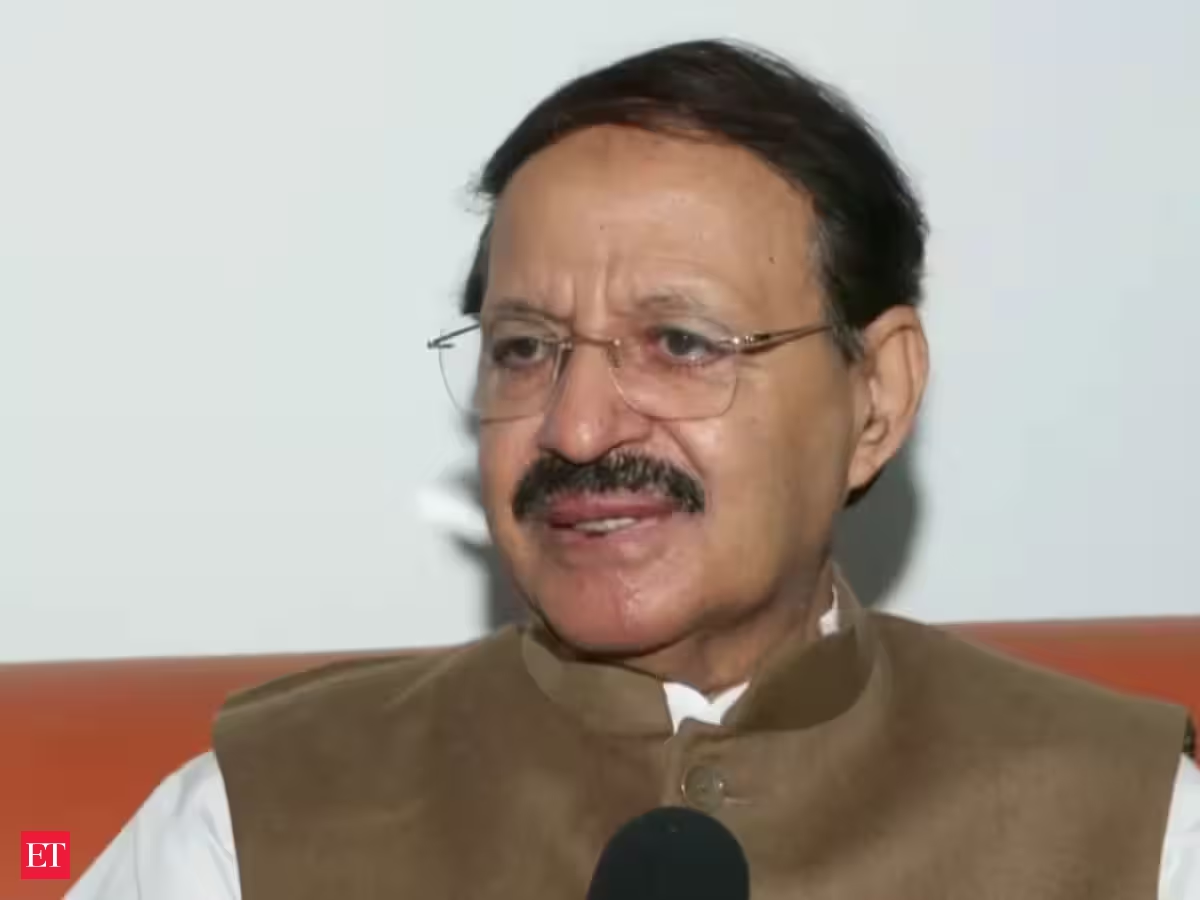
Congress leader Raashid Alvi accused the BJP of being ready to push a delimitation bill through Parliament by any means, sharpening a fight over how India’s constituencies will be redrawn.
In this piece
Raashid Alvi said the BJP will get a delimitation bill passed “by hook or by crook,” according to a report in The Economic Times. The charge lands as parties…
Congress leader Raashid Alvi has said the Bharatiya Janata Party will get a delimitation bill passed “by hook or by crook,” The Economic Times reported. The remark frames the coming redraw of parliamentary and assembly constituencies as a partisan power play rather than a routine constitutional exercise.
The available report does not quote Alvi at length, name a draft bill, or give a date for introduction or passage. What it does establish is a direct accusation: that the ruling party is prepared to force delimitation legislation through regardless of opposition.
Delimitation is the legal process of fixing the number and boundaries of constituencies, and of allocating seats among states, on the basis of population. In India it is carried out by a Delimitation Commission under law passed by Parliament. Seat totals in the Lok Sabha and in state assemblies have been frozen for decades so that states that slowed population growth would not lose representation relative to states that grew faster.
That freeze is widely understood in political debate to be due for review after a new census. Because no fresh census figures have yet reset the map, parties are arguing in advance about what a new exercise would do to the balance of seats, especially between northern states with larger populations and southern and some western states that have lower growth rates.
Alvi’s phrasing treats passage as a foregone conclusion achieved by pressure rather than consensus. Congress has used the delimitation question to warn that a population-only formula could shrink the voice of states that invested in health and education and, in the party’s telling, reward those that did not. The BJP and the central government have, in the broader public debate, described delimitation as a constitutional necessity and rejected claims that it is designed to punish particular regions. Those competing frames are context for the charge; they are not additional quotations from this report.
The phrase “by hook or by crook” is political rhetoric. It alleges intent to prevail by fair means or foul, but the Economic Times item as supplied here does not list specific tactics, name a floor strategy, or cite numbers of MPs the government would need. Readers should treat it as an opposition allegation, not as evidence that a particular parliamentary maneuver has already been chosen.
Why the fight matters is arithmetic and federal trust. A new seat map would shape which states send how many members to the Lok Sabha for years afterward, and it would sit beside separate arguments over the goods and services tax, finance commission transfers, and the official language of administration. Leaders in several states have said they will not accept a redraw that they believe punishes successful population policy. The Centre has pointed to constitutional provisions that require constituencies to reflect population. Neither side’s fuller case is spelled out in the short report of Alvi’s remark.
Any delimitation law would still have to move through Parliament. A bill can pass the Lok Sabha on a simple majority if the government holds the numbers, but changes that amend the Constitution need a special majority and, in some cases, ratification by at least half the states. The report does not say which legal route the government is considering, so it is not possible to say from this item alone whether state ratification would be required.
Implementation, if a law is passed and a commission is notified, is slow even in ordinary times. Commissions examine census data, hear objections, publish draft maps, and only then finalize boundaries. Until a census is completed and published in a form the law can use, the practical start date remains open. The Alvi comment does not fill that gap.
Opposition parties can respond with debate, procedural objections, state-level resolutions, and public campaigns. They cannot, on the strength of this report, be said to have agreed a joint strategy. The BJP has not been quoted here replying to Alvi’s specific line.
What happens next depends on whether the government brings a delimitation bill, and on what formula it writes into the text. Until that text exists, Alvi’s warning is a political marker: Congress is signaling that it will treat the exercise as imposed, and that it expects the ruling party to press ahead. Further detail will have to come from the bill, from Parliament, and from any on-record reply by the government.
Primary source: Economic Times. Newzly rewrites and structures source reporting for clarity; verify critical details at the original.