Congress Summons Former Nvidia CEO as Cabinet Feud Erupts Over AI Chip Leakage
U.S. lawmakers have summoned Nvidia's former chief executive to testify as a bitter administration feud erupts over alleged Chinese intelligence ties and the diversion of advanced artificial intelligence chips.
In this piece
Congress has summoned Nvidia's former CEO Jensen Huang following disclosures of a relationship with a suspected Chinese spy and scrutiny over chip diversion.…
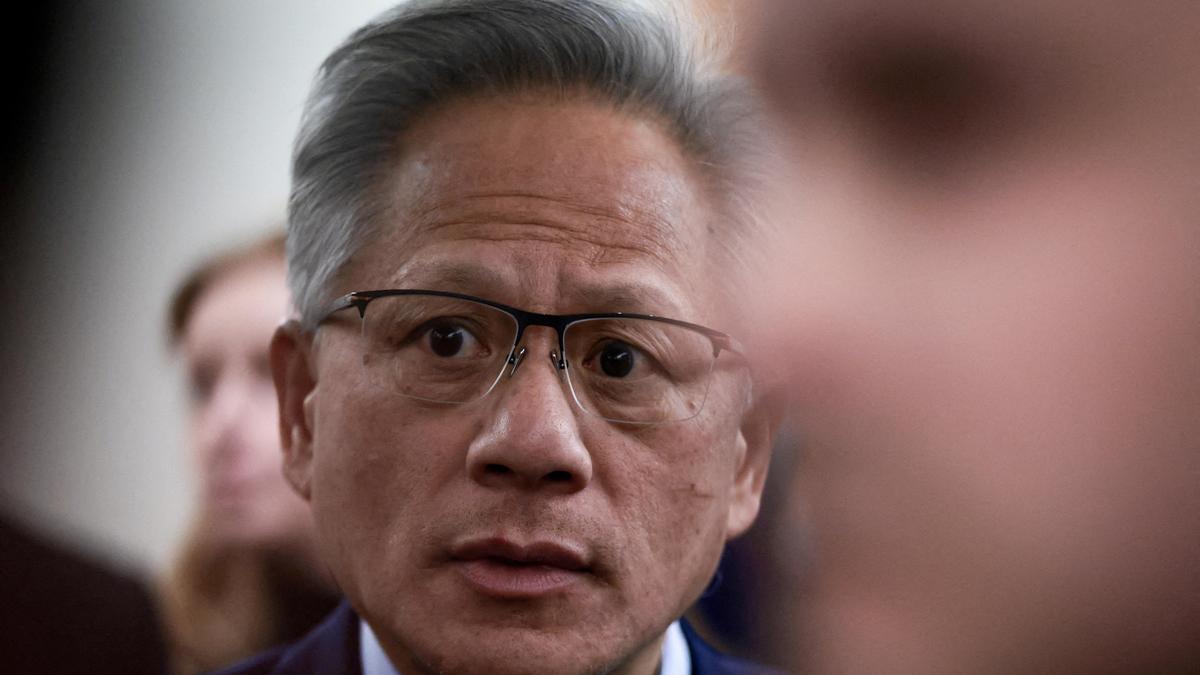
U.S. lawmakers have summoned Nvidia's former chief executive Jensen Huang to testify before Congress following revelations surrounding his relationship with a suspected Chinese spy and allegations of unauthorized chip transfers. The congressional inquiry comes as a bitter feud erupts within the Trump administration over regulatory failures to halt the diversion of advanced artificial intelligence semiconductors to China.
Treasury Secretary Scott Bessent escalated the political fallout by publicly blaming the Commerce Department, led by Secretary Howard Lutnick, for allowing advanced Nvidia processors to slip into Chinese hands. Bessent asserted that multiple federal agencies, including the Treasury, the Pentagon, and the State Department, had long urged Commerce to blacklist intermediaries involved in the transactions.
At the center of the dispute is Megaspeed International, a Singapore-based computing company that acquired billions of dollars worth of advanced Nvidia artificial intelligence chips. U.S. national security officials have scrutinized whether the company operated as a pass-through entity designed to circumvent stringent U.S. export controls and funnel critical computing technology into China.
The controversy deepened following Huang's sudden departure from Nvidia amid reports of an extramarital affair with Alice Huang, a former executive at Megaspeed. Intelligence assessments suggested that she was suspected of acting as an operative for Beijing, raising immediate alarm among federal intelligence and national defense officials.
Bessent pointedly emphasized that the Commerce Department holds the regulatory authority to enact restrictions, noting that his team and other cabinet departments could not act alone without Commerce signing off on export blacklists. The public accusations have exposed significant fractures within the administration over the enforcement of technology restrictions on foreign adversaries.
Lawmakers from both parties have seized on the lapses, intensifying pressure on Lutnick and questioning the oversight mechanisms governing high-tech exports. Several Republican lawmakers described the bureaucratic failure and intelligence breach in scathing terms, questioning whether the Commerce Department possessed the resolve or competence to guard critical American supply chains.
Reports have also surfaced that senior advisers to President Donald Trump have begun discussing Lutnick's future in the cabinet amid the escalating public blame game. Critics argue that failing to block Megaspeed in a timely manner undermined national security priorities and created a preventable diplomatic and regulatory crisis.
The scandal strikes at the core of Washington's multi-year effort to deny China access to high-performance graphics processing units essential for training state-of-the-art military and artificial intelligence models. As artificial intelligence has become a focal point of geopolitical rivalry, lapses in export enforcement threaten to erode the technological advantage the United States has sought to protect.
Congressional committees plan to press both Huang and administration officials on the timeline of the chip shipments, the extent of the intelligence breach, and the reasons behind the regulatory delay. The forthcoming hearings are expected to determine whether additional sanctions are imposed on international resellers and could decide the fate of senior leadership overseeing U.S. export policy.
Primary source: Google News India. Newzly rewrites and structures source reporting for clarity; verify critical details at the original.