Connecticut Lawmakers Weigh Return to 5-Cent Bottle Deposit Amid Cross-Border Smuggling
Connecticut lawmakers are considering rolling back the state’s 10-cent bottle deposit to a nickel after a dramatic spike in cross-border smuggling created millions of dollars in losses for beverage distributors.
In this piece
Connecticut lawmakers are evaluating proposals to return the state's bottle deposit to 5 cents following an influx of out-of-state containers. Doubling the fee…
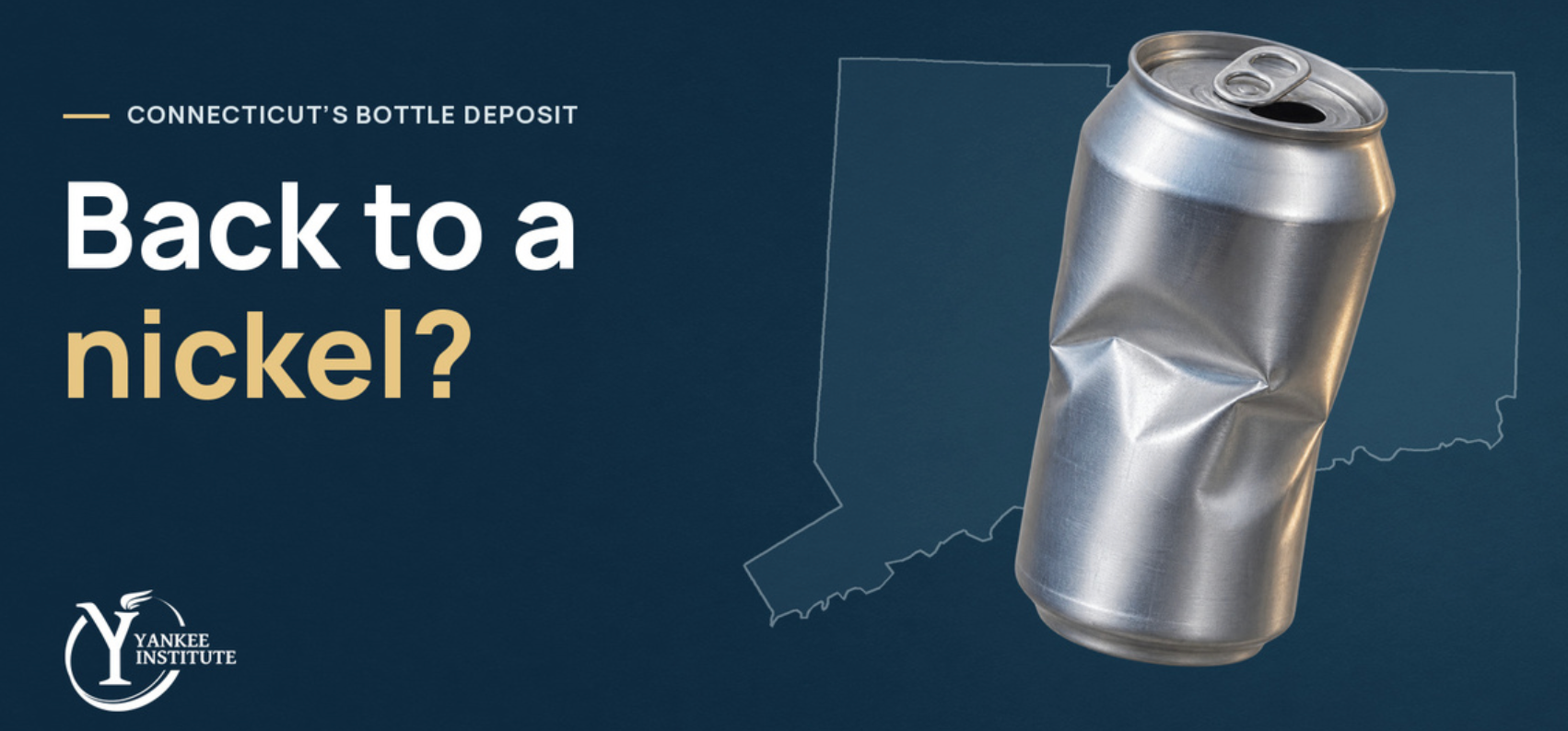
Connecticut lawmakers are weighing legislative proposals to roll back the state's 10-cent bottle deposit back to a nickel after an unintended surge in cross-border smuggling overwhelmed local redemption networks. The potential reversal follows growing pushback from beverage distributors and retailers facing millions of dollars in unexpected costs linked to out-of-state container redemptions.
The state doubled its long-standing deposit from 5 cents to 10 cents at the start of 2024 under legislation originally designed to incentivize recycling and reduce roadside litter. The updated Bottle Bill also expanded qualifying beverage categories to include items such as juices, teas, and sports drinks.
The increase immediately created a financial disparity between Connecticut and neighboring northeastern states, where container deposits remained at 5 cents or did not exist at all. Opportunistic haulers began transporting truckloads of empty cans and bottles from New York, Massachusetts, and Rhode Island into Connecticut to redeem them at the doubled rate.
The cross-border influx drove reported redemption rates to near-unprecedented levels, reaching between 92% and 97% statewide. While proponents initially hailed the numbers as an environmental success, beverage distributors warned that they were subsidizing massive volumes of containers that were never sold or taxed in Connecticut.
Industry representatives cautioned that absorbing millions of dollars in uncollected refunds threatens the financial viability of regional distributors and independent redemption centers. In response, free-market policy groups, including the Yankee Institute, highlighted the cross-border wave as a textbook market distortion that unfairly penalizes local businesses and consumers.
Before considering a full repeal of the 10-cent refund, the General Assembly approved interim measures aimed at deterring fraudulent bulk drop-offs. Lawmakers enacted stricter tracking requirements for high-volume redemptions, introduced higher fines, and established escalating criminal penalties for individuals caught trafficking out-of-state containers.
Enforcement has proven difficult for local law enforcement and grocery store operators, who lack the resources to verify the origin of every returned can. Redemption machines rely primarily on universal barcodes, making it technically challenging to distinguish an aluminum can purchased in Westchester County, New York, from one bought in Fairfield County, Connecticut.
Proposals to restore the nickel deposit, such as Senate Bill 516, aim to eliminate the profit margin driving illicit trafficking by realigning Connecticut with regional standards. Proponents of a rollback argue that removing the 5-cent premium is the cleanest way to protect distributors and normalize redemption rates without costly police intervention.
Environmental advocates and legislative supporters of the dime deposit contend that returning to a 5-cent fee would reverse hard-won recycling gains. They point out that higher deposit values are proven to motivate consumer returns and argue that technical screening upgrades and stricter distributor auditing should be prioritized over lowering refunds.
As committee deliberations continue in Hartford, state leaders face a delicate balance between maintaining environmental targets and safeguarding the beverage supply chain. The outcome of the debate will likely determine whether Connecticut preserves its nation-leading deposit rate or rejoins neighboring states at the five-cent mark.
Primary source: Google News Connecticut. Newzly rewrites and structures source reporting for clarity; verify critical details at the original.