Bomb Threats Disrupt At Least 18 Flights Across Europe as Media Outlets Also Targeted
A wave of bomb threats disrupted at least 18 flights across nine European nations on Friday alongside alerts targeting media outlets in the UK and Ireland, though searches confirmed all threats were hoaxes.
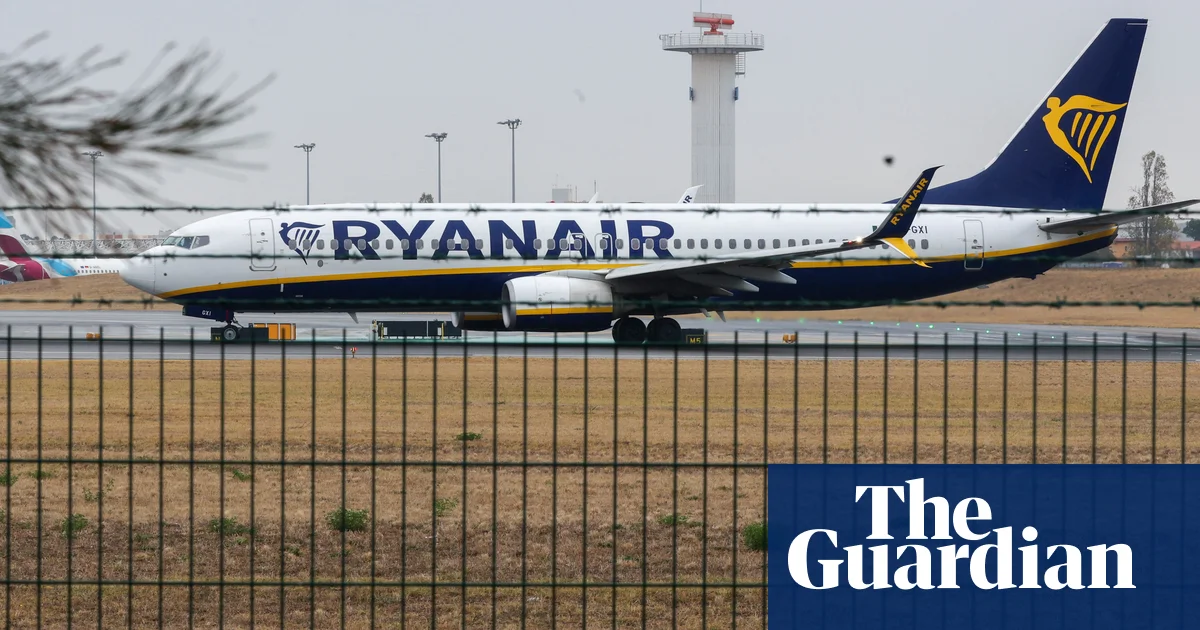
A fresh wave of bomb threats disrupted air traffic across Europe on Friday, forcing aviation authorities and emergency responders into high alert. The alerts triggered precautionary safety measures across multiple flight corridors, though all affected aircraft landed safely. Subsequent inspections conducted by specialized search units revealed no explosive devices or hazardous materials on board any of the planes.
The incidents affected at least 18 flights operating to or from a wide span of countries across the continent. Civil aviation networks recorded disruptions involving routes connected to Bulgaria, Cyprus, Czechia, France, Hungary, Italy, Portugal, Romania, and the United Kingdom. Despite the logistical complications, flight crews maintained operational control and coordinated closely with ground control to navigate each aircraft to secure tarmac positions.
Upon touching down, the aircraft were directed to isolated inspection zones where ground crews, law enforcement, and emergency personnel initiated thorough screening procedures. Passengers and their baggage were systematically evacuated and checked while sniffer dogs and bomb disposal specialists inspected cabins and cargo holds. In every case, authorities confirmed that the reported hazards were false alarms, allowing airports to gradually resume normal flight movements.
The disruption was not limited entirely to civil aviation. Media organisations in both Ireland and the United Kingdom were also targeted by threats on Friday, indicating an operation that reached beyond transport hubs. The concurrent alerts raised immediate concerns among security personnel regarding the breadth and timing of the coordinated harassment campaign.
Security officials and observers have characterized the wave of alerts as an apparently coordinated effort intended to inflict widespread logistical chaos. The synchronized nature of the warnings across multiple jurisdictions suggests deliberate planning rather than isolated, opportunistic hoaxes. By striking simultaneously at transportation arteries and public news organizations, the instigators sought to amplify uncertainty and test public safety responses.
Even in the absence of actual explosives, false bomb threats impose substantial logistical and financial burdens on the civil aviation industry. Airlines and airport operators face immediate flight delays, complex turnaround schedules, and potential airspace rerouting as precautionary procedures take precedence over scheduled timetables. These operational ripple effects frequently cascade across continental hubs, leaving crews and travelers contending with missed connections and extensive queue times.
International civil aviation guidelines require security services and flight operators to treat any received alert as a credible threat until definitively proven otherwise. Standard protocols dictate strict compartmentalization of passengers, immediate notification of national defense and counterterrorism units, and exhaustive physical sweeps. Because aviation regulators prioritize passenger safety above all else, bad actors can exploit these mandatory safeguards to intentionally generate systemic bottlenecks.
Tracing the origins of cross-border hoax campaigns poses complex challenges for national police agencies and cyber intelligence teams. Threat actors often employ proxy networks, spoofed communications, and encrypted channels to obscure their geographical locations and identities. Law enforcement agencies across the affected European states are now reviewing communication trails, transmission logs, and digital headers in an effort to identify the source of the messages.
In the wake of the Friday incidents, aviation authorities and security services across Europe are expected to maintain heightened vigilance. Cross-border intelligence sharing will remain pivotal as investigators analyze whether the threat actors might attempt further disruptions against civil infrastructure. For now, European transport officials are emphasizing that emergency screening procedures operated as designed, keeping passengers safe despite the deliberate disruption.
Primary source: The Guardian Business. Newzly rewrites and structures source reporting for clarity; verify critical details at the original.