New Wave of Bomb Threats Targets European Airlines as Authorities Investigate
European carriers and security officials are responding to a fresh wave of airline bomb threats, as investigators confirm no link has been found to separate alerts directed at media outlets.
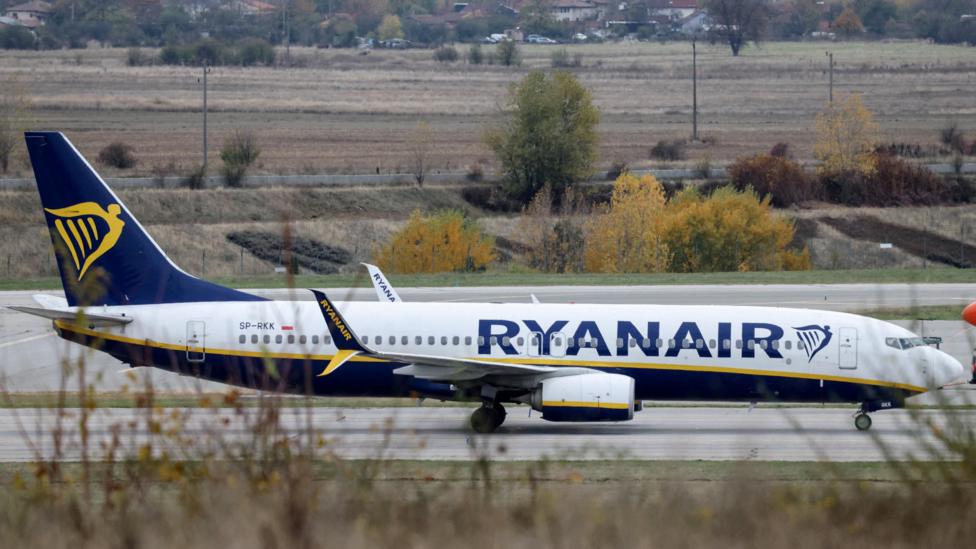
European aviation authorities and commercial carriers are responding to a fresh wave of bomb threats targeting airlines across the continent, prompting heightened security reviews and operational alerts. Law enforcement agencies and transport security officials are actively assessing the communications while maintaining established protocols designed to protect civilian airspace. Early assessments indicate that investigators have identified no operational link between these threats against airlines and separate security alerts directed at media organizations.
Commercial aviation networks operate under rigorous international safety frameworks that trigger prompt precautionary measures whenever potential hazards are reported. Standard security protocols require dispatchers, flight crews, and air traffic controllers to treat incoming warnings with maximum vigilance until threats can be thoroughly vetted. Even when initial screenings indicate that a dispatch may lack credibility, operators adhere to structured inspection procedures to safeguard passengers and ground personnel.
Recent disruptions follow an observed pattern of coordinated electronic harassment and intimidation tactics aimed at high-profile public entities across Europe. Security analysts note that bad actors frequently aim to create widespread disruption across vital civil infrastructure, including transport networks and press facilities. Despite the concurrent timing of incidents across different sectors, official assessments continue to emphasize that the threats against airlines remain distinct from those received by news outlets.
Unsubstantiated bomb hoaxes impose substantial logistical and financial burdens on airline operations and emergency services. Responding to an active alert can require unscheduled flight diversions, isolated apron parking, passenger disembarkations, and exhaustive physical sweeps of baggage and cargo. These necessary precautions often cause cascading delays across crowded international air corridors, complicating schedules for travelers and flight operators alike.
Investigating cross-border electronic communications presents significant technical challenges for regional and national law enforcement bodies. Threat actors frequently utilize encrypted messaging services, virtual proxies, and anonymized networks to obscure their geographic origins and identities. As a result, tracing the originators behind electronic threat dispatches demands coordinated cyber forensics across multiple jurisdictions and digital platforms.
Civil aviation regulators emphasize that traveler safety remains the overriding priority in every phase of threat assessment. Flight crews and ground operations teams undergo specialized training to handle security contingencies smoothly, coordinating directly with regional air traffic control centers to execute precautionary diversions when deemed prudent. Safety agencies continuously update threat-management protocols to mitigate passenger risk while attempting to limit unnecessary travel interruptions.
Parallel threats confronting press organizations have reinforced broad vigilance among European intelligence and homeland security authorities. While forensic teams evaluate digital evidence and communication headers for any overlap in methodology or delivery systems, the lack of confirmed linkage highlights the importance of avoiding premature speculation regarding responsibility. Law enforcement agencies continue to gather technical indicators to determine whether the incidents stem from isolated actors or broader campaigns.
Moving forward, aviation security desks and carrier management teams plan to maintain heightened readiness while investigations proceed. Regional authorities are keeping open communication lines among national transport ministries, international policing agencies, and commercial airline operators to verify incoming threat data. Enhanced security screening and investigative reviews are expected to continue until authorities complete their evaluations of the recent transmissions.
Primary source: BBC World. Newzly rewrites and structures source reporting for clarity; verify critical details at the original.