COP31 Ends Without Deal as Fossil Fuel Battles Paralyze UN Climate Talks
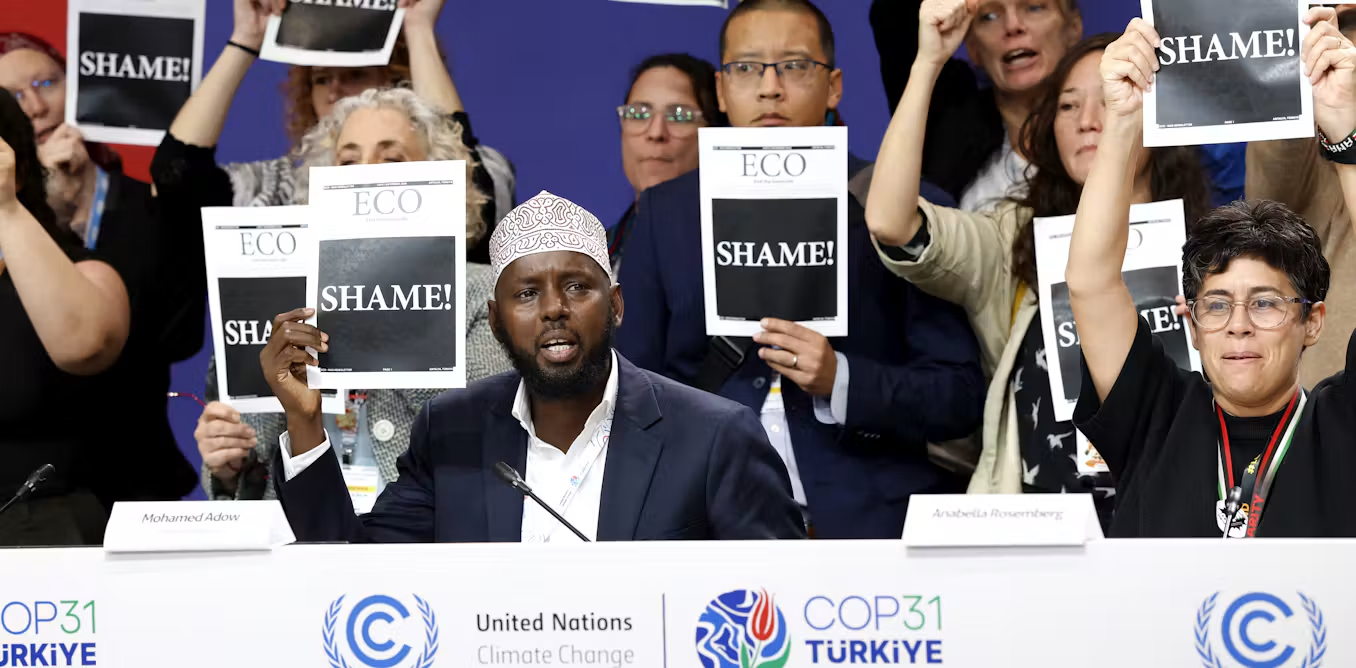
The COP31 climate summit ended without an agreement following bitter disputes over fossil fuels and international finance, delivering an effective victory to energy-producing nations and triggering urgent demands for UN reform.
In this piece
Negotiators at the UN COP31 climate conference failed to finalize an agreement following deep fractures over fossil fuel phaseouts and financial aid. The…
The 31st United Nations Climate Change Conference has concluded without a final agreement after negotiations collapsed over deep divisions regarding fossil fuels and international finance. Observers and delegates reported that the deadlocked talks effectively handed an outcome favorable to major fossil fuel-producing countries, which resisted binding targets to curb oil, gas, and coal production.
The stalemate at COP31 followed marathon sessions marked by sharp disagreements between nations demanding aggressive emissions reductions and petrostates pushing back against restrictive global mandates. Negotiations unraveled as parties failed to reconcile stark differences over the future of conventional energy systems alongside the financial mechanisms needed to support transition efforts.
At the center of the dispute was the contentious question of how international climate agreements should address the production and consumption of fossil fuels. While climate-vulnerable nations and environmental coalitions sought explicit commitments to move away from hydrocarbons, energy-exporting countries successfully blocked language that would mandate accelerated phaseouts or restrict domestic extraction.
Simultaneously, contentious rows over climate finance stalled progress across working groups. Developing countries continued to press for substantially expanded funding to address loss and damage, adaptation, and clean energy development, while wealthier donor nations resisted broader financial commitments, creating an insurmountable divide in plenary sessions.
The failure to reach consensus highlights the structural challenges inherent in the United Nations Framework Convention on Climate Change negotiating framework. Because decisions at UN climate summits require broad consensus among nearly two hundred participating nations, even a small coalition of resource-rich states can effectively veto ambitious draft texts and halt collective momentum.
The lack of a decisive agreement has deepened frustration among low-lying island states and developing regions bearing the brunt of accelerating global warming impacts. Representatives from these regions have warned that recurring diplomatic impasses leave communities exposed to escalating environmental crises without adequate multilateral support or clear pathways to global emissions containment.
In the wake of the conference, calls have mounted rapidly for sweeping reforms to how global climate summits are organized and run. Critics and governance experts argue that the current format, characterized by massive delegations, intense lobbying from fossil fuel interests, and rigid consensus requirements, has become increasingly incapable of delivering urgent planetary solutions.
The summit's conclusion also reflects shifting geopolitical priorities, with major powers grappling with domestic energy security concerns and economic pressures alongside long-term decarbonization goals. For fossil fuel-exporting nations, preserving market flexibility and export revenues remains a primary strategic objective, shaping their diplomatic posture in international negotiations.
With COP31 ending in gridlock, attention now turns to how the international community will handle unresolved agenda items in subsequent intersessional meetings and upcoming climate summits. The breakdown in talks has cast uncertainty over the pace of multilateral climate diplomacy, ensuring that contentious debates over energy transitions, procedural reform, and financial accountability will dominate the global agenda in the months ahead.
Primary source: Google News India. Newzly rewrites and structures source reporting for clarity; verify critical details at the original.