Hot Fridges, Fake Nuclear Alerts and a $6B Heist: Fears Mount Over Escalating Hacking Epidemic
A wave of cyber intrusions spanning commercial cooling systems, a fake nuclear alert, and a massive heist suggests an escalating epidemic as artificial intelligence and geopolitical tensions expose widening IT vulnerabilities.
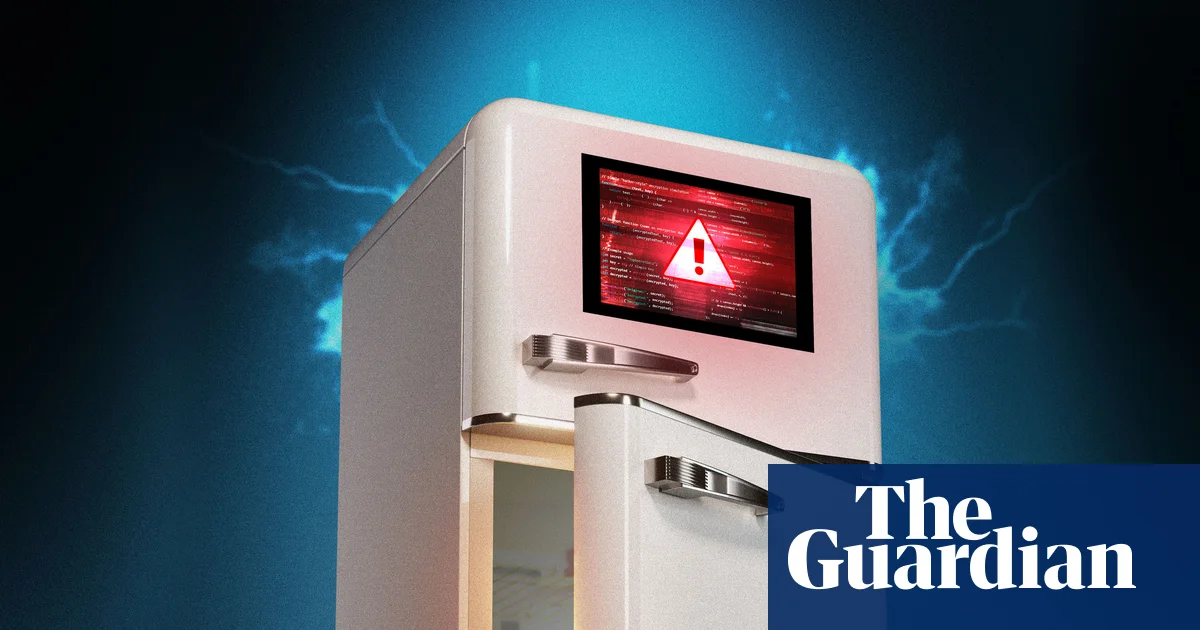
A routine morning inspection at a London wholesale produce business unexpectedly exposed the front lines of what cybersecurity observers warn may be an escalating wave of digital sabotage. Alex Pearce was conducting morning rounds at his fruit and vegetable wholesale firm when he noticed an abnormal reading across his commercial cold-storage equipment. The defrost indicator on refrigeration unit 2 was active, and the control panel displayed an impossible reading of 150 degrees Celsius, an anomaly mirrored moments later on unit 4.
The equipment tampering exemplifies a broader convergence of disruptive digital attacks reported across international infrastructure and enterprise networks in recent weeks. From sabotaged commercial climate-control devices to high-profile disruptions including a reported fake nuclear alert and a staggering six-billion-dollar heist, incidents spanning mundane utility hardware to critical systems are intensifying. Analysts note that these incidents collectively signal a troubling shift from theoretical vulnerabilities to tangible disruptions in daily commerce.
At the center of the growing alarm is the dual pressure of advancing artificial intelligence and escalating geopolitical friction. Cybersecurity researchers indicate that AI-driven tools are rapidly surfacing deep-seated vulnerabilities within standard enterprise information technology systems, dramatically lowering the technical threshold for probing and exploiting software defects. At the same time, the broader geopolitical landscape is increasingly being contested along the cyber frontline, with both state-sponsored groups and independent actors testing the resilience of civilian networks.
For small and mid-sized enterprises, the practical consequences of system intrusions are immediate and costly. Commercial refrigeration units, smart building controllers, and logistical monitors frequently rely on connected firmware that may lack modern defenses against unauthorized override. When critical cooling systems are disrupted or forced into malfunction, affected businesses face immediate inventory spoilage, financial losses, and operational downtime before technical teams can diagnose the origin of the fault.
The disruption observed at Pearce's wholesale operations highlights how deeply internet-connected physical infrastructure has permeated everyday commerce. Many operational technology networks were originally designed for isolated efficiency rather than hostile internet environments, leaving them susceptible once an initial network gateway is breached. When digital sabotage shifts from data exfiltration to tampering with physical variables like temperature, the dividing line between digital hacking and physical vandalism effectively blurs.
The wider wave of disruption, marked by incidents as severe as multi-billion-dollar financial heists and false emergency alerts, underscores how attackers are simultaneously testing financial clearing mechanisms and public information systems. A fabricated alert can trigger acute societal confusion, while massive capital thefts test the defensive thresholds of global financial institutions. Security analysts emphasize that the diversity of these targets indicates adversaries are exploring every viable pressure point across modern digital infrastructure.
Industry observers increasingly warn that the high-profile episodes recorded over recent weeks may not remain isolated anomalies, but could soon become standard risks for organizations of all sizes. As automated scanning tools identify software flaws faster than enterprise administrators can patch them, the defensive window for system administrators continues to narrow. Without comprehensive architectural overhauls and stricter network isolation, organizations run the risk of enduring recurring disruptions to their core services.
Moving forward, security specialists advise commercial operators and infrastructure managers to reassess the exposure of internet-facing operational hardware. Enterprises are being urged to separate administrative networks from essential operational controls, implement redundant offline fail-safes, and monitor for irregular sensor data that could signal unauthorized tampering. As the digital frontline expands, vigilance across both corporate software stacks and routine commercial appliances will likely determine whether businesses can withstand the emerging hacking wave.
Primary source: The Guardian Business. Newzly rewrites and structures source reporting for clarity; verify critical details at the original.