US Midterm Results Accelerate Political Backlash Against AI and Data Centers
Recent U.S. midterm election results have spurred a significant political and market rethink on artificial intelligence, signaling growing voter pushback against tech billionaires and data center expansion.
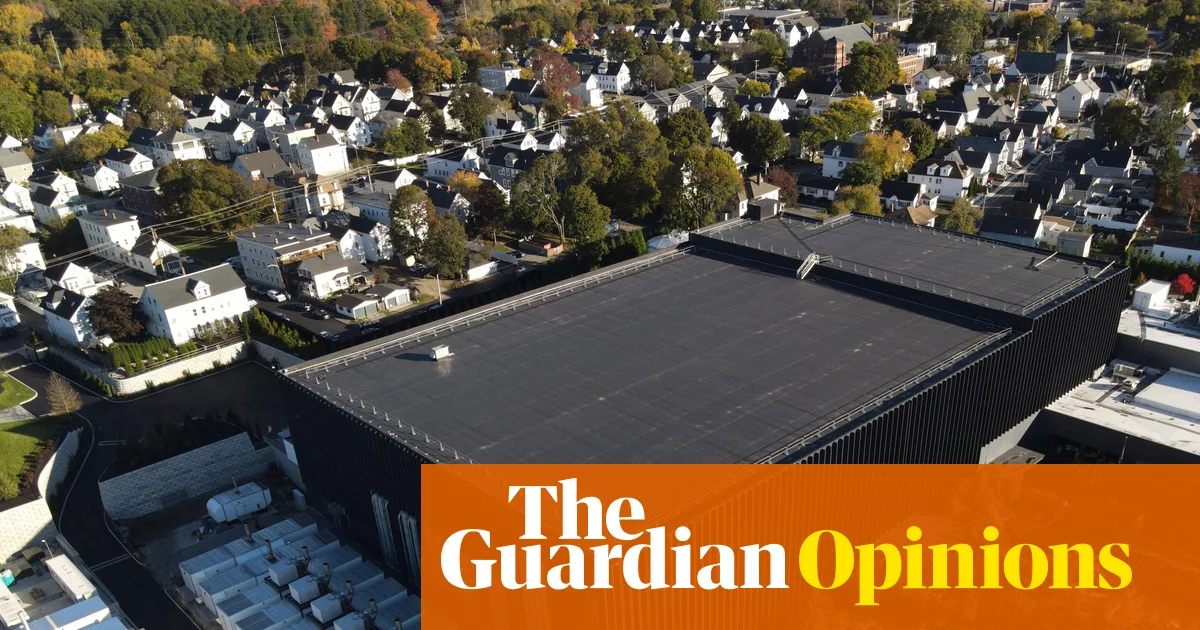
The outcome of the recent U.S. midterm elections has accelerated an already expanding social, political, and financial market reassessment of artificial intelligence. While economic pressures and international conflict played a major role in driving voters to the polls, the election also signaled a sharp public reckoning for Silicon Valley leadership and the rapid physical rollout of computing infrastructure. Commentators suggest the results deliver a clear message to technology executives who had previously enjoyed significant political clout.
According to analysis published by The Guardian, the electoral shift serves as an unmistakable wake-up call for high-profile tech figures who had aligned themselves closely with Donald Trump. Although cost-of-living concerns linked to broader geopolitical turmoil were pivotal in shaping the Democratic wave, artificial intelligence emerged as an explicit ballot-box issue across numerous jurisdictions. The vote reflects growing voter skepticism toward the unchecked political and economic influence of elite tech figures.
At the heart of the voter pushback is the rapid proliferation of resource-intensive infrastructure, particularly massive data centers constructed to support advanced artificial intelligence models. Local communities have increasingly raised concerns over the heavy demands these facilities place on regional electric grids, water supplies, and public land. Rather than accepting tech expansion as an inevitable economic boon, residents and local candidates have pushed to subject facility development to greater democratic oversight.
The political friction in the United States mirrors mounting international anxieties over the disruptive administrative burdens created by emerging automated systems. Public authorities elsewhere, including in the United Kingdom, have reported battles against an onslaught of chatbot-generated complaints and correspondence that threaten to clog public services. These shared strains have strengthened the argument that commercial artificial intelligence applications carry widespread external costs for civic infrastructure and governance.
Editorial observers argue that the political dominance long maintained by Silicon Valley is displaying noticeable cracks under popular scrutiny. For years, major tech firms operated under the assumption that innovation would move faster than the capacity of lawmakers and voters to regulate it. The midterm results suggest that public patience has worn thin, with constituents demanding an active voice in determining how new technologies affect their communities and livelihoods.
Financial markets are also being forced to re-evaluate the risk profile surrounding artificial intelligence investments. Investors who once priced in rapid, frictionless deployment must now account for zoning battles, localized moratoriums, and heightened regulatory hurdles. As community resistance converts into political action, the capital expenditures required to sustain large-scale computing infrastructure could face unexpected delays and rising compliance costs.
The shift represents a fundamental change in how political institutions view technological disruption. Lawmakers on both sides of the aisle are confronting an electorate that is increasingly wary of corporate concentration and the societal disruption driven by algorithmic tools. Consequently, the assumption that technology policy should defer primarily to market forces is giving way to demands for structural accountability and public interest standards.
As the newly elected officials prepare to take office, the focus turns to how this voter sentiment will translate into tangible legislative priorities. Key policy debates are expected to center on mandatory energy disclosures for computing facilities, stricter safeguards for automated public interactions, and restrictions on tech industry lobbying. The incoming legislative class will face substantial pressure to enact enforceable standards rather than relying on voluntary industry commitments.
The coming months will demonstrate whether the midterm election marks a temporary pause or a permanent realignment in the relationship between technology titans and the American public. While Silicon Valley continues to command vast capital and lobbying resources, the ballot results have firmly positioned artificial intelligence as a core political issue. For the industry, navigating the years ahead will require answering directly to a skeptical and newly mobilized electorate.
Primary source: The Guardian Business. Newzly rewrites and structures source reporting for clarity; verify critical details at the original.