Cyclone Akvan Brings Rain to Jharkhand as Districts Suspend Primary Classes
Light to moderate rainfall triggered by Cyclone Akvan swept across parts of Jharkhand, leading district administrations to suspend primary school classes as authorities tracked potential threats to agriculture and rural infrastructure.
In this piece
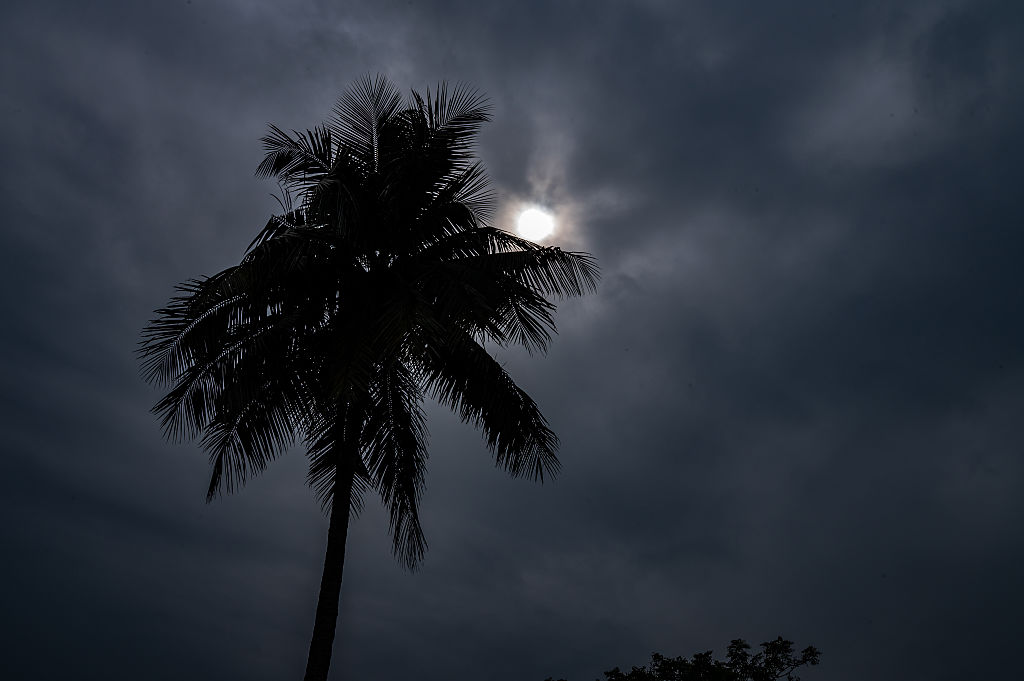
Cyclone Akvan brought widespread cloud cover, gusty winds, and scattered rainfall to several districts across Jharkhand. In response, local authorities…
Parts of Jharkhand experienced light to moderate rainfall and overcast skies as the remnants and peripheral bands of Cyclone Akvan moved across the region. The sudden shift in weather prompted local administrative bodies to order precautionary safety measures, particularly for younger schoolchildren and rural communities facing localized disruptions.
District administrations in southeastern parts of the state, including East Singhbhum and Saraikela-Kharswan, formally suspended primary school classes up to Class 5 in both government and private institutions. Officials explained that the decision was intended to keep young children from commuting during spells of persistent rain and sudden gusts of wind. Teaching personnel and administrative staff were instructed to report for duty to oversee institutional maintenance and regular reporting requirements.
The India Meteorological Department issued a series of color-coded advisories across several Jharkhand districts, including orange and yellow alerts indicating potential squally weather. Meteorologists recorded increased cloudiness, intermittent showers, and wind speeds reaching up to 50 kilometers per hour across southern and central pockets of the state. Other districts, such as Ranchi, Bokaro, and Dhanbad, also reported changing weather patterns and intermittent drizzle.
The regional weather disturbances followed the coastal progress of Cyclone Akvan, which originated over the Bay of Bengal before tracking toward the eastern seaboard and making landfall near Gopalpur in neighboring Odisha. Although the system gradually lost its severe intensity after moving over land, its broad circulation continued to pump moisture into neighboring inland states. Jharkhand, situated immediately north of the cyclone's inland trajectory, absorbed widespread cloud bands that suppressed daytime temperatures and caused persistent showers.
State agricultural and disaster authorities highlighted significant concern over standing crops, particularly paddy, which remains at a critical stage across vast swathes of Jharkhand's rural belt. With winter harvesting underway or imminent in many blocks, unseasonal moisture and strong winds pose a severe threat of lodging and grain damage. Extension officers advised farmers to clear drainage channels around low-lying fields and pause threshing activities until drier atmospheric conditions return.
The Jharkhand State Disaster Management Department placed district-level emergency response cells on high alert to handle any localized contingencies. Municipal corporations and rural civic bodies were instructed to clear stormwater drains and monitor vulnerable infrastructure, including low-hanging power lines and old trees vulnerable to strong gusts. Emergency response teams remained stationed in district headquarters to intervene swiftly in case of localized waterlogging or traffic disruptions.
Daily routines across major urban centers, including Jamshedpur and Ranchi, witnessed noticeable slowdowns as wet roads and reduced visibility affected morning vehicular traffic. Local markets recorded thinner footfalls during spells of active precipitation, while commercial transport operators reported minor delays along regional inter-district routes. Residents in low-lying settlements were cautioned to exercise vigilance near culverts and overflowing local streams.
Post-monsoon cyclonic systems originating in the Bay of Bengal frequently exert an indirect influence on eastern Indian states during the late autumn months. Even when cyclones rapidly dissipate into deep depressions after landfall, their moisture-laden remnants can trigger substantial unseasonal precipitation hundreds of kilometers inland. For Jharkhand, such late-season weather systems often create abrupt transitions between lingering post-monsoon humidity and the onset of winter conditions.
Meteorological forecasts indicated that weather conditions across Jharkhand would begin to stabilize as Cyclone Akvan further weakened into a well-marked low-pressure area and moved farther away. Authorities noted that school schedules and standard outdoor activities are expected to resume normal operations once alerts expire and skies begin to clear. In the interim, disaster management officials maintain periodic monitoring of rainfall levels and field reports to ensure lingering risks are promptly addressed.
Primary source: Google News Jharkhand. Newzly rewrites and structures source reporting for clarity; verify critical details at the original.