'Dance of the Souls' Explores Oaxaca's Muerteadas at Morelia
Mexican director Ramón Llaven's documentary 'Dance of the Souls' premiered at the Morelia International Film Festival, capturing Oaxaca's grueling Day of the Dead muerteadas through the sensory lens of a returning spirit.
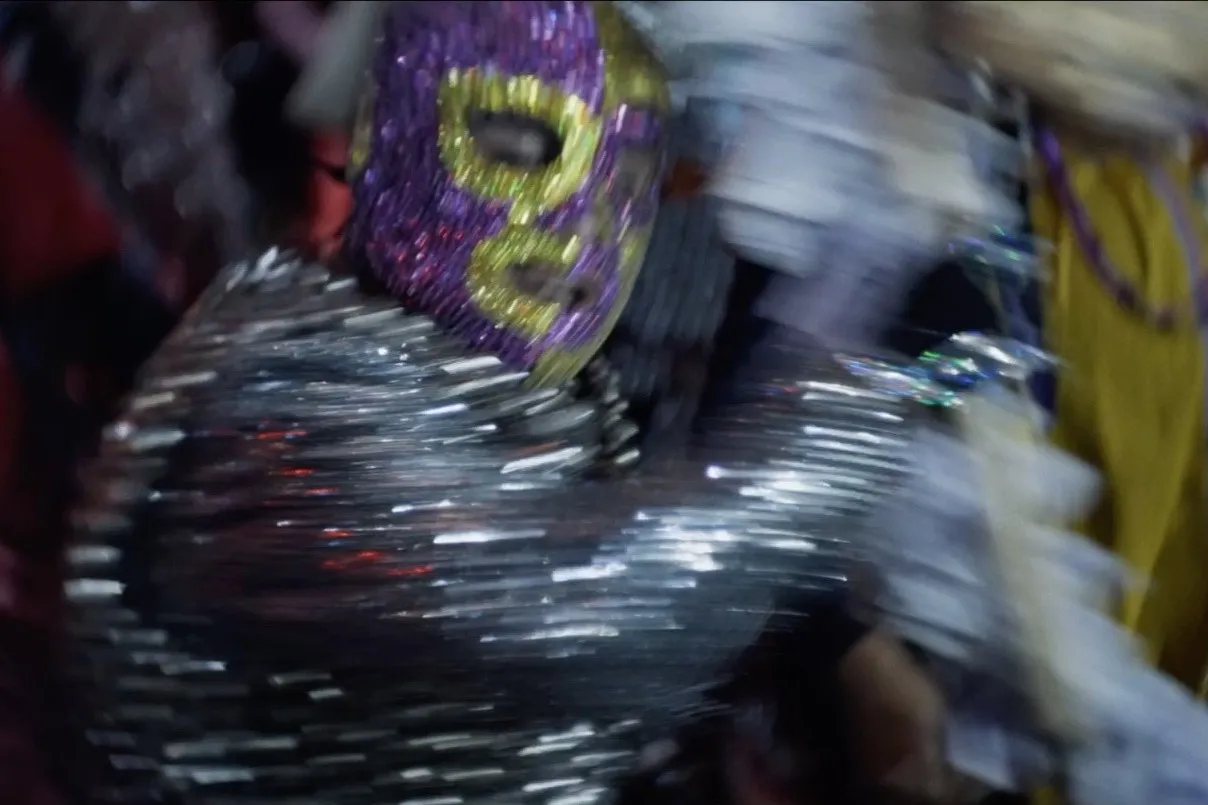
Mexican filmmaker Ramón Llaven's feature documentary "Dance of the Souls" (El baile de las ánimas) has unspooled at the Morelia International Film Festival, offering an intimate immersion into the traditional muerteadas of Oaxaca's Etla Valley. Produced by Fata Morgana and Eudiamonía Films in co-production with Estudios Churubusco Azteca and Lost Time Media, the film captures annual Day of the Dead celebrations that blend mourning, satire, and communal resilience.
Rather than presenting a conventional anthropological survey, the documentary frames its narrative through the sensory point of view of a returning spirit visiting living relatives and cherished hometown sites. This spectral lens allows Llaven to explore the delicate boundary between the living and the dead, reflecting local cosmology where remembrance is experienced through sensory celebration rather than solemn stillness.
Central to the film is the grueling and spectacular tradition of the muerteadas, a vibrant regional celebration distinctive to the Etla Valley communities in southern Mexico. Local participants don elaborate, hand-crafted costumes embellished with mirrors, embroidery, and heavy bells that can weigh upwards of twenty kilograms. Clad in these resonant garments, revelers dance through village streets for twelve to eighteen consecutive hours accompanied by live brass bands.
The festivities combine theatrical performance, biting local satire, and communal mourning into a cathartic public ritual. Through costumed personifications that range from devils and priests to caricatures of local authority figures, community members confront mortality while reasserting communal unity. The demanding physical endurance required by the dance serves as a living offering, bridging generational memory and spiritual devotion.
For Llaven, who hails from Santiago Etla, the documentary marks a deeply personal homecoming after spending nearly fifteen years away from his native region. Returning to his roots allowed the director to re-examine the rituals of his youth through both an artistic and emotional lens. The narrative incorporates his childhood memories of local figures, including Doña Julia, a revered spiritual healer who once guided community rites.
The production process itself became intertwined with the very themes of loss and endurance depicted on screen. Filming faced substantial delays during the COVID-19 pandemic, a period that intensified personal grief and disrupted communal gatherings across Oaxaca. Navigating those obstacles deepened the creative team's commitment to documenting how shared rituals provide comfort and healing in the wake of widespread loss.
The project represents an ambitious cross-border collaboration bringing together Mexican and Canadian production partners. Backed by Mexican cultural and cinematic institutions, including the historic Estudios Churubusco Azteca, the film underscores the growing international interest in regional Mexican stories told by local storytellers. The high-caliber cinematography and sound design aim to transport international audiences directly into the pulsating soundscapes of the Etla Valley.
Following its showcase at Morelia, one of Latin America's most prestigious cinema gatherings, the documentary continues to travel across the international festival circuit. The film has earned selections at documentary platforms including DocsMX in Mexico City and the Ji.hlava International Documentary Film Festival in the Czech Republic. Festival programmers and audiences have highlighted its lyrical pacing, evocative atmosphere, and respectful foregrounding of indigenous and mestizo traditions.
As "Dance of the Souls" expands its festival run, distributors and cultural institutions are eyeing wider theatrical and educational screenings both within Mexico and abroad. By immortalizing the ephemeral energy of the muerteadas on the big screen, the documentary preserves an evolving communal heritage for future generations. For Llaven and the Etla communities, the film stands as an enduring testament to the belief that memory defies physical absence as long as the music plays and the dance continues.
Primary source: Variety. Newzly rewrites and structures source reporting for clarity; verify critical details at the original.