Data Center Backlash Did Not Drive Nevada's Democratic Wave, Analysis Shows
A post-election analysis shows voter anger over data center power and water demands did not cause Nevada's Democratic sweep, even as local communities push back against rapid tech expansion.
In this piece
While Nevada voters rejected local data center projects over concerns about energy and water strain, an analysis reveals the issue did not drive the statewide…
Widespread public backlash against data center development was not the primary catalyst behind Nevada's recent Democratic electoral sweep, according to a post-election analysis by The Nevada Independent. Although controversies over tech infrastructure generated significant community resistance, broader economic pressures and national political currents ultimately drove the statewide outcome.
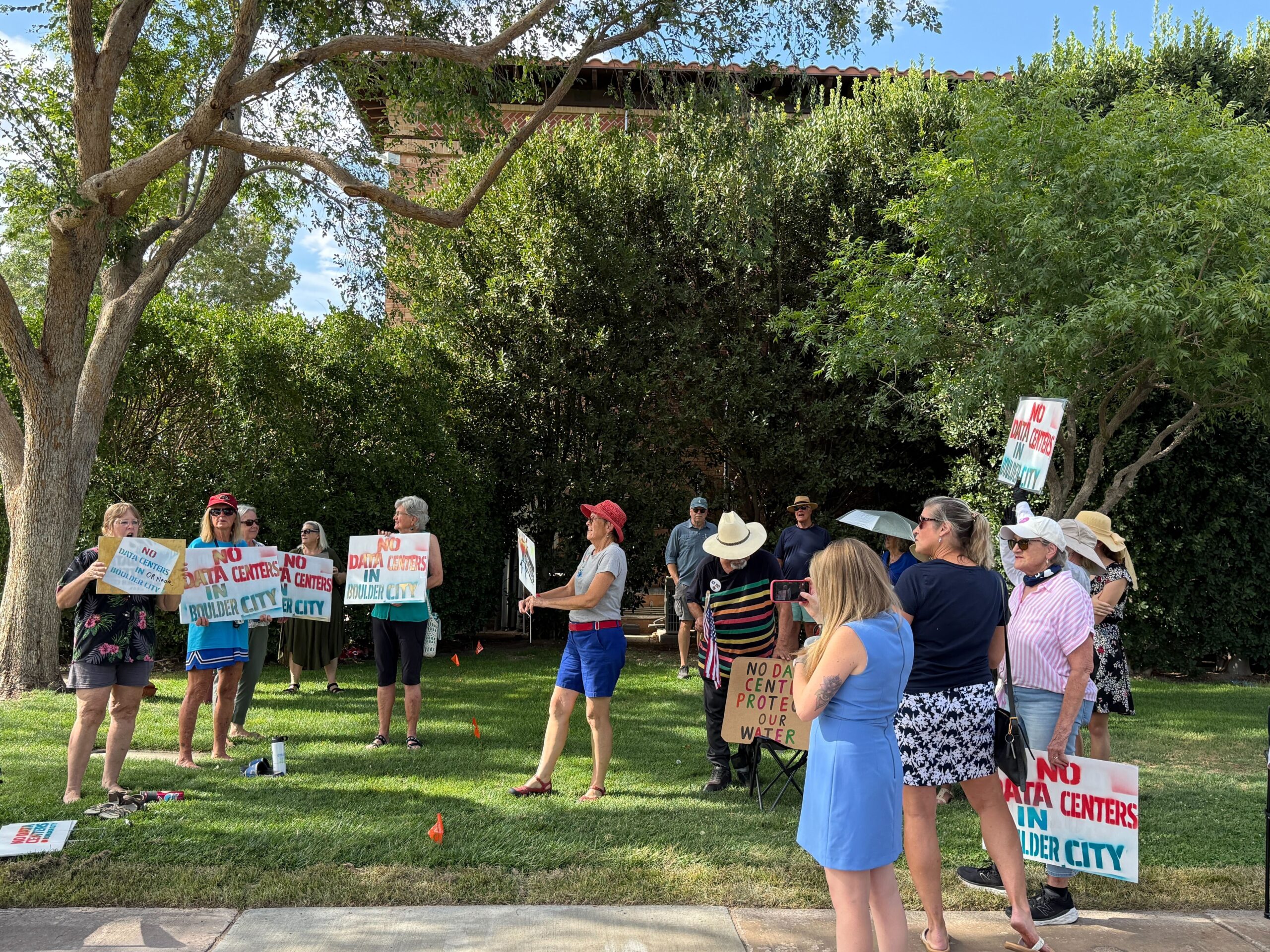
Data center growth has nevertheless emerged as an explosive issue across local communities in the Silver State. In Boulder City, for example, approximately 71 percent of voters overwhelmingly rejected a municipal ballot question that would have authorized data centers on city-owned land, underscoring deep-seated resident skepticism toward large-scale computing facilities.
However, that localized resistance did not neatly map onto partisan divisions in the statewide results. Boulder City, a reliably Republican stronghold, rejected the industrial facilities by wide margins yet simultaneously re-elected a mayor who had been open to data centers and maintained strong support for Republican Governor Joe Lombardo.
The core anxieties fueling anti-data center activism stem from escalating demands on Nevada's electric grid and fragile water supplies. As computing complexes proliferate to power cloud infrastructure and artificial intelligence workloads, their massive electricity draw and cooling requirements have stoked fears among residents about rising domestic utility bills and resource depletion in an arid climate.
Rather than tech infrastructure disputes, election analysts and political strategists attributed the Democratic wave to pervasive macroeconomic headwinds. Voter sentiment and campaign reviews indicated that elevated living costs, inflation, gasoline prices, and shifting perceptions of federal governance remained the decisive factors that swung competitive legislative and constitutional contests across the state.
Even so, the issue succeeded in altering the political landscape for local municipal boards and regional assemblies. Candidates who campaigned on imposing regulatory guardrails, limiting state tax abatements, and protecting community utility grids frequently found common ground with concerned voters regardless of their traditional party registrations.
The disconnect between local anti-data center sentiment and top-of-the-ticket partisan momentum demonstrates that infrastructure battles operate largely on community-specific lines. In Clark County and beyond, voters evaluated corporate expansion through the lens of quality of life and neighborhood preservation rather than standard national party platforms.
The intense debate is expected to carry into the upcoming legislative sessions in Carson City. State lawmakers from both parties will face pressure from grassroots coalitions to scrutinize proposed utility agreements, demand greater transparency on energy consumption, and ensure that rapid technology expansion does not compromise residential rate stability.
Moving forward, industry developers and state economic planners will likely encounter heightened scrutiny before breaking ground on new server farms. While data center opposition did not orchestrate Nevada's statewide blue wave, it has firmly established energy conservation and public resource protection as enduring priorities for voters across the state.
Primary source: Google News Nevada. Newzly rewrites and structures source reporting for clarity; verify critical details at the original.