Data centre growth sharpens environmental debate ahead of US midterms
The infrastructure powering digital services is drawing greater scrutiny ahead of US midterm elections, as expanding demand for computing raises questions about electricity supplies, water consumption and environmental costs.
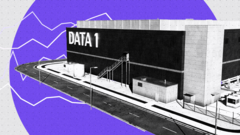
The environmental impact of data centres is drawing growing attention ahead of US midterm elections, according to BBC Technology, bringing the physical infrastructure behind digital services into a political debate. At issue is how to accommodate expanding computing demand while managing its consequences for energy and water resources.
Data centres house servers, storage systems and networking equipment, alongside the infrastructure needed to keep them operating reliably. They also host much of the computing used to train and run artificial intelligence models, making their development closely connected to the expansion of AI services.
The scale of their electricity consumption is already substantial. Lawrence Berkeley National Laboratory's United States Data Center Energy Usage Report: 2025 Update, published in June 2026, estimates that US data centres consumed 192 terawatt-hours in 2024, equivalent to 4.7% of national electricity consumption. Its reference forecast puts consumption at 464 terawatt-hours in 2028.
Those projections are not a fixed timetable for future demand. The laboratory's update revised earlier estimates to reflect changes in reported equipment shipments and assumptions about AI server power consumption. The distinction matters because infrastructure decisions must account for both rapid expansion and the possibility that actual demand develops differently from forecasts.
Electricity use extends beyond the computers themselves. The International Energy Agency's 2025 Energy and AI report says servers account for roughly 60% of consumption in modern data centres, although the proportion varies considerably. Cooling can represent about 7% in efficient hyperscale facilities and more than 30% in less-efficient enterprise facilities.
Water adds another dimension to the environmental debate. The same IEA report explains that data centres use water directly for cooling and indirectly through electricity supply and semiconductor manufacturing. Their water footprint therefore depends on cooling technology, climate and the sources of electricity, rather than computing activity alone.
These differences make local conditions important when assessing individual projects. A facility's impact cannot be established simply by applying a global average to its size. Understanding its cooling design and power supply is necessary to distinguish demands placed directly on local water resources from those arising elsewhere in the supply chain.
The IEA's 2026 Powering Artificial Intelligence report describes mounting community concerns about electricity prices, emissions and water, alongside pressure on local grids. It also warns that requests for grid connections can include speculative or duplicate projects. Planning too much infrastructure risks underused investment, while planning too little can create bottlenecks and delays.
That leaves policymakers balancing the economic value of digital infrastructure against the resources needed to support it. As the election debate develops, the IEA's analysis points toward clearer information about when projects will operate and how much power they will require. Those details will help determine whether expansion can proceed without overstretching the systems on which other users also depend.
Primary source: BBC Technology. Newzly rewrites and structures source reporting for clarity; verify critical details at the original.