entertainment·California·Los Angeles County
David Fincher Says Cliff Booth Film Could Be His Last Movie
The Oscar-nominated director told The Hollywood Reporter that The Further Mis-Adventures of Cliff Booth could be his last film, citing less patience and expanded priorities.
In this piece
David Fincher has indicated that The Further Mis-Adventures of Cliff Booth could be his last movie, The Hollywood Reporter reported. He said he does not have as…
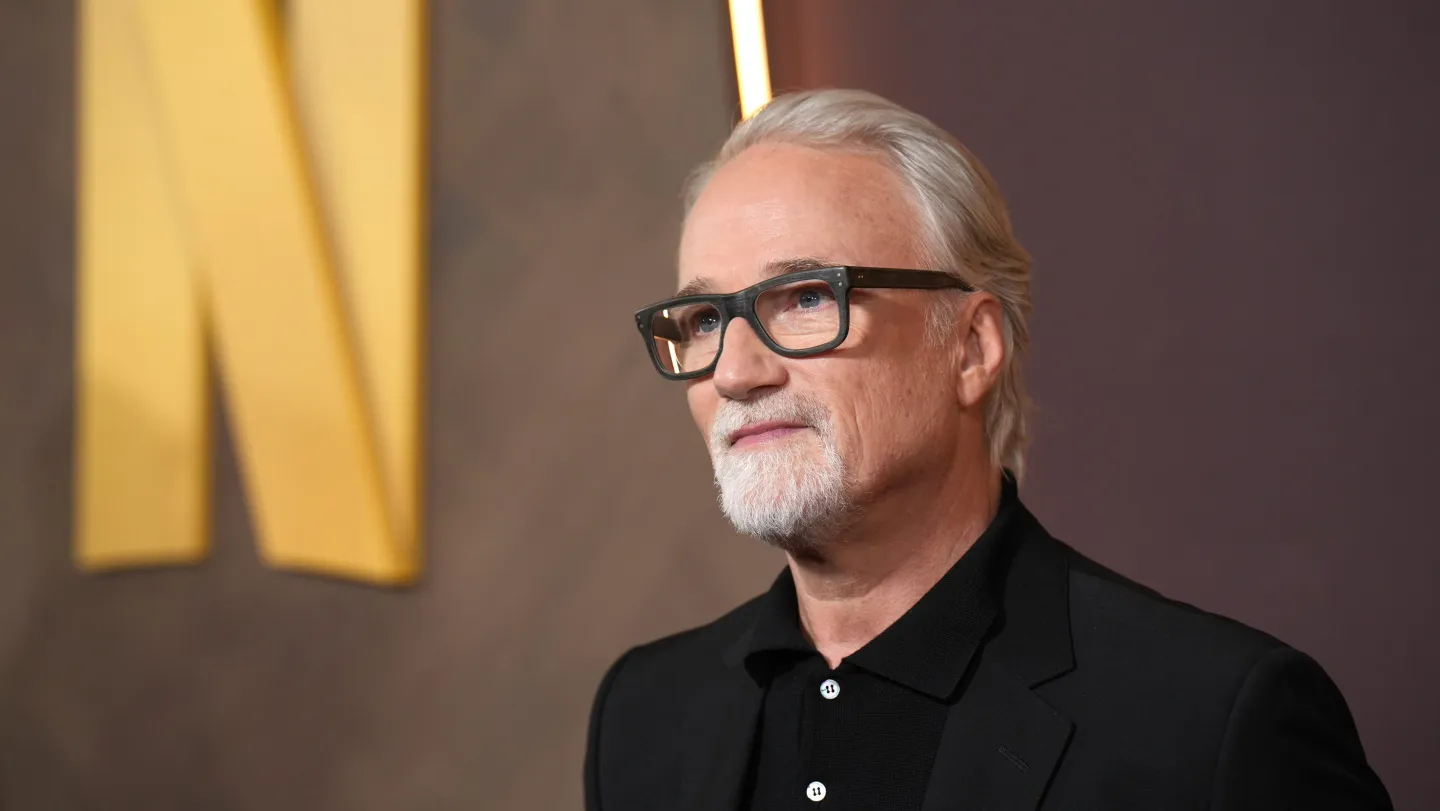
David Fincher has suggested that The Further Mis-Adventures of Cliff Booth could be his last movie, The Hollywood Reporter reported. The Oscar-nominated director linked that possibility to how he now weighs his work. “I don’t have as much patience as I once had, and my priorities have expanded, if not changed,” he said.
The report presents the comment as Fincher’s own reading of his career at this moment. It does not, in the account available here, add a second quotation or a formal retirement notice. The language around the project is one of possibility: the film could be his last, rather than a declaration that it will be.
The Further Mis-Adventures of Cliff Booth takes its name from Cliff Booth, the stuntman Brad Pitt played in Quentin Tarantino’s Once Upon a Time in Hollywood. A “further” adventure implies another chapter for that character, not a restaging of the 2019 film. Casting, plot, and distribution are not described in the material at hand, so they are not stated here as settled facts.
Fincher’s standing in American movies gives the remark its weight. He built a reputation for control and rigor on films including Se7en, Fight Club, Zodiac, The Social Network, and Gone Girl. Directors associated with that kind of process are often described as patient to the point of relentlessness. His line about having less patience than he once had sits directly against that public image.
He also said his priorities have expanded, if not changed. The hedge is part of the quote. Expansion can mean a wider set of concerns alongside filmmaking; change can mean a reordering of what comes first. The Hollywood Reporter’s summary does not spell out which projects, relationships, or private concerns he had in mind.
The difference between a last movie and a pause matters for how the comment is read. Fincher did not, in the words provided, say he has finished directing or that he will refuse future scripts. He described a reduced store of patience and a broader set of priorities, and he allowed that the Cliff Booth film might be the end. That is a signal, not a signed exit.
For the film itself, the remark changes the frame. A title that sounds playful now arrives with a possible valedictory reading, at least for viewers who take the director at his word. Whether the finished movie supports that reading cannot be known from a single comment. The report supplies the comment, not an account of the film’s tone or intentions beyond it.
Industry attention tends to gather around any suggestion that a prominent director is nearing a stop. Marketing, festival positioning, and later criticism often lean on “final film” language once it is in circulation. The Hollywood Reporter story, as given here, does not describe those plans. Any such effect would follow from the quote, not from a detail the outlet has confirmed.
Little else is on the record in this telling. There is no studio response, no date, and no additional named participant speaking in the text provided. Uncertainty about the production’s status should stay attached to that limit. What the source does establish is Fincher’s quoted explanation and the report that he sees the Cliff Booth picture as a possible last movie.
What comes next is whether he repeats, softens, or leaves the remark alone. He may still make another film; the language he used leaves that path open. Until he or the people speaking for the project say more, the public marker is the one The Hollywood Reporter published: less patience, wider priorities, and a film that might be the last.
Primary source: The Hollywood Reporter. Newzly rewrites and structures source reporting for clarity; verify critical details at the original.