world·Bihar·New Delhi District
Delhi and Bihar Launch Interstate Bus Services Across 18 Routes
The governments of Delhi and Bihar have launched scheduled interstate bus services across 18 routes, deploying state-run and partner fleets to link the national capital directly with 13 major districts in Bihar.
In this piece
Delhi and Bihar have operationalized formal interstate bus services across 18 routes connecting the national capital to 13 districts, including Patna, Gaya, and…
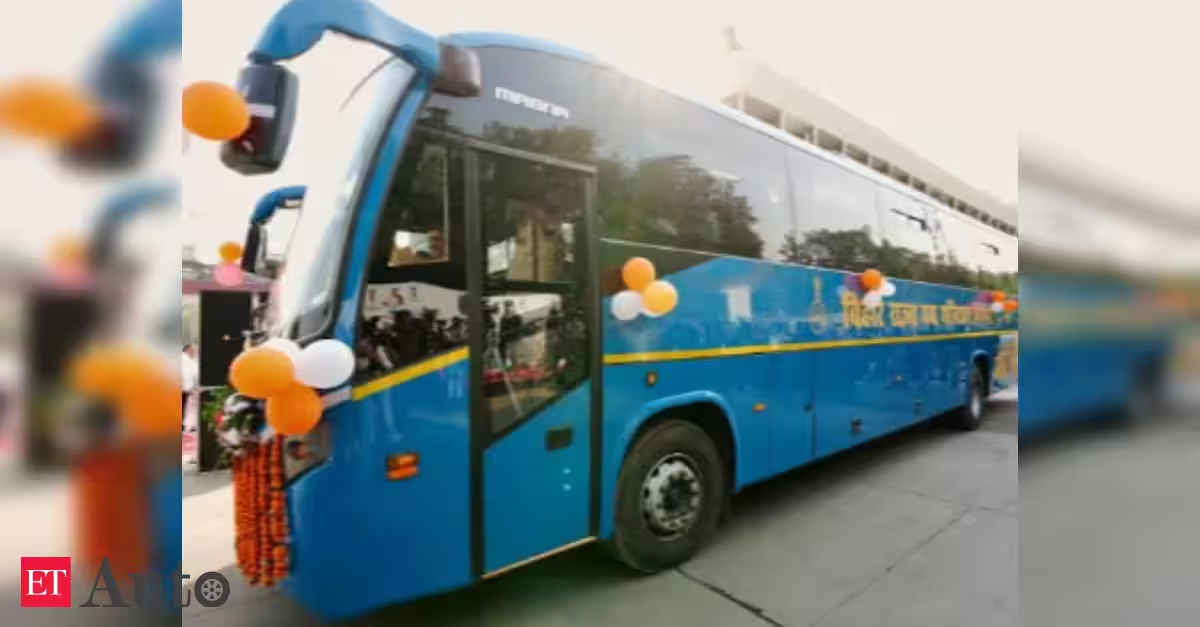
The governments of Delhi and Bihar have officially launched a reciprocal interstate bus service spanning 18 designated routes, establishing direct road connectivity between the national capital and 13 major destinations across Bihar. The inaugural fleet was flagged off from the Maharana Pratap Inter-State Bus Terminal at Kashmere Gate in New Delhi, marking the rollout of a formal transport agreement aimed at providing scheduled public transit.
Delhi Chief Minister Rekha Gupta, Delhi Transport Minister Dr. Pankaj Kumar Singh, and Bihar Transport Minister Damodar Rawat attended the joint flagging-off ceremony to inaugurate the service. Under the finalized bilateral arrangement, authorities have formalized operational protocols to govern cross-border transit through intermediary states, providing a regulated alternative to unorganized private operators.
The regulatory framework establishes an allocation of 216 transport permits issued by the Delhi administration to facilitate bus operations managed in coordination with Bihar. The agreement incorporates a reciprocal mechanism granting a balanced quota of 12 permits per designated route to each participating administration, ensuring structured scheduling and route equity across the entire operational network.
The approved transit network links Kashmere Gate directly to key urban centres and district headquarters across Bihar, including Patna, Gaya, Darbhanga, Madhubani, Bhagalpur, and Muzaffarpur. Additional scheduled routes extend to Purnia, Kishanganj, Araria, Bihar Sharif, Buxar, Nawada, and Motihari in East Champaran, significantly broadening regional accessibility across eastern India.
Operations are spearheaded by the Bihar State Road Transport Corporation alongside authorized fleet operators running under public-private partnership models. The deployed vehicles feature modern multi-axle air-conditioned and non-air-conditioned coaches, incorporating both seated and sleeper berth configurations tailored for long-distance overnight highway journeys.
To reach their eastern destinations, the buses traverse primary expressway and national highway corridors extending through Uttar Pradesh. Major transit points such as Patna, Muzaffarpur, and Gaya have been allocated multiple service frequencies to accommodate high traffic density, connecting urban passenger clusters with minimal transfers.
The formal launch addresses long-standing transport pressures faced by an estimated 1.5 to 2 million people from Bihar and the wider Purvanchal belt currently residing, working, or studying in the National Capital Region. Direct government-monitored bus routes offer predictable departure schedules, standard fare oversight, and enhanced passenger safety for regular interstate travelers.
Interstate passenger movement along the Delhi-Bihar corridor has historically experienced acute strain during major festive periods, particularly Chhath Puja and Diwali, when regular train reservations exhaust months in advance. The availability of fixed-route bus services provides essential supplementary capacity during seasonal surges, mitigating reliance on unregulated, dynamic-fare private buses.
Transport officials indicated that passenger load factors, route viability, and punctuality across the 18 corridors will undergo continuous review as operations scale up. Based on commuter response and operational feedback, both state departments may explore future adjustments to departure timetables, additional intermediate stops, or expanded fleet allocations to strengthen long-distance interstate transit.
Primary source: Google News Bihar. Newzly rewrites and structures source reporting for clarity; verify critical details at the original.