From Courtyards to Open Roads: Meet India's E-Rickshaw Didis
Women across India are leaving domestic confines to take the wheel of electric rickshaws, earning independent livelihoods and breaking long-standing gender barriers across rural and semi-urban transportation networks.
In this piece
A growing cohort of women across India, affectionately known as e-rickshaw didis, are transitioning from traditional domestic roles into primary household…
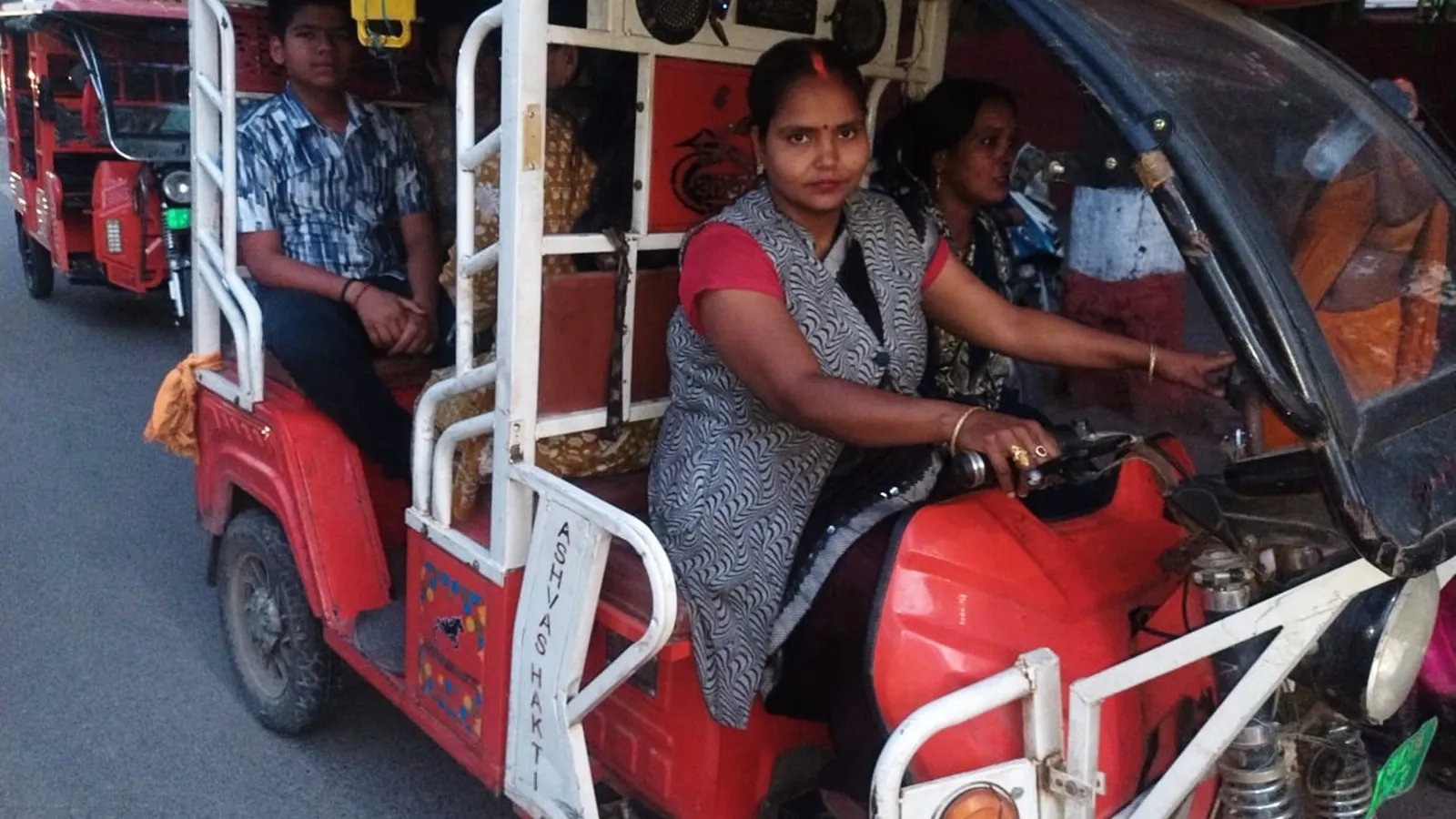
Across India, a quiet socioeconomic shift is underway as women step out of traditional domestic courtyards to take charge behind the wheel of electric three-wheelers. Popularly recognized as e-rickshaw didis, these female drivers are entering a public transit sector long dominated by men. Their daily presence on the roads marks a visible transformation in grassroots mobility and community labor.
For generations, cultural norms in many rural and semi-urban communities confined women predominantly to household duties within their family compounds. Venturing into commercial transit was once considered unthinkable due to entrenched social skepticism and security concerns. However, the rapid expansion of battery-powered vehicles has created accessible pathways for homemakers seeking viable ways to earn independent incomes.
Electric rickshaws have proven particularly well suited for first-time commercial drivers entering the transport economy. Unlike conventional combustion engine vehicles, e-rickshaws feature quiet battery operation, simple steering mechanisms, and minimal maintenance demands. These functional advantages lower the initial intimidation barrier for women who previously had little to no formal driving experience.
The financial independence gained from driving translates into immediate, tangible benefits for working-class households. Daily earnings help mothers fund schooling for their children, cover vital healthcare expenses, and reduce reliance on volatile informal credit. By contributing substantial shares to family budgets, these drivers often transition from financial dependents to primary or co-equal breadwinners.
Beyond household economics, the emergence of women commercial drivers is reshaping broader community attitudes toward female labor. While early operators frequently encountered skepticism or open disapproval from neighbors, consistent service and passenger reliability have steadily earned widespread respect. Female commuters also report feeling safer and more comfortable travelling with women drivers during late hours or across less frequented transit corridors.
This ground-level transition has gained momentum through targeted training programs, clean mobility partnerships, and accessible microfinance options. Grassroots non-governmental organizations and welfare initiatives have increasingly stepped in to offer specialized driver instruction, licensing assistance, and vehicle financing packages. These structured efforts help mitigate the steep upfront capital costs that typically deter women from entering small-scale transport entrepreneurship.
Despite these positive strides, systemic hurdles persist for women navigating India's commercial transit landscape. Drivers must routinely contend with congested traffic conditions, inconsistent charging infrastructure, and occasional administrative hurdles in securing commercial route permits. Balancing long hours on demanding roads with unshared domestic duties also imposes a heavy physical and emotional burden on many operators.
The rise of the e-rickshaw didis also intersects directly with national efforts to promote sustainable urban transport and curb vehicle emissions. By operating zero-emission battery units in place of fossil-fuel-reliant vehicles, these drivers contribute directly to cleaner air in crowded localities. Their daily work underscores how clean energy initiatives can foster social and economic inclusion alongside environmental goals.
As electric mobility deepens its presence across secondary cities and peri-urban hubs, observers expect the ranks of female e-rickshaw operators to expand further. Long-term progress will depend on broader institutional backing, including safer roadside charging networks and accessible social protection mechanisms. For now, every completed route driven by an e-rickshaw didi reinforces the expanding role of women across India's public spaces.
Primary source: The Indian Express. Newzly rewrites and structures source reporting for clarity; verify critical details at the original.