Delhi Gold Rates Tracked Across 18K, 22K, and 24K Purities on November 27
Gold prices in Delhi drew scrutiny on November 27 as market tracker Kotak Neo updated rates across 18K, 22K, and 24K varieties amid shifting global and domestic bullion conditions.
In this piece
Gold rates in Delhi were monitored across 18-karat, 22-karat, and 24-karat purities on November 27, 2026. Data published by Kotak Neo highlights how currency…
Gold rates in Delhi came into sharp focus on Friday, November 27, 2026, as retail buyers and commodity investors tracked live price revisions across 18-karat, 22-karat, and 24-karat varieties. Financial brokerage and market tracking platform Kotak Neo published updated price points for the national capital, reflecting ongoing developments across domestic bullion hubs. Market participants closely monitored these daily revisions to evaluate consumer sentiment and retail purchasing power in northern India.
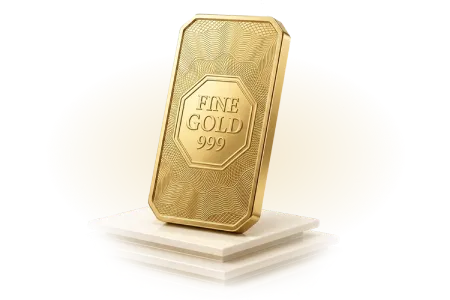
In Delhi's physical bullion markets, 24-karat gold represents the purest standard at 99.9 percent purity and functions as the definitive reference point for investment-grade bars and wholesale trade. By comparison, 22-karat and 18-karat purities remain the predominant choices for consumer jewellery, as blending with other metals provides the tensile strength necessary for intricate crafting. Buyers typically align their purchasing decisions with these varying tiers depending on whether their goal is capital preservation or decorative use.
Domestic gold valuations in the capital reflect a complex interplay of international spot movements, currency fluctuations, and trade policy adjustments. Because India relies on overseas shipments to satisfy the overwhelming majority of its domestic gold appetite, shifts in global benchmark prices directly impact local landed costs. Furthermore, any strengthening or weakening of the Indian rupee against the U.S. dollar alters import expenses, which bullion dealers quickly pass along to regional distribution networks.
Within the National Capital Territory, spot retail prices also incorporate local market dynamics, logistics overhead, and trade association benchmarks. Prominent gold trading hubs across Chandni Chowk, Karol Bagh, and regional commercial centres establish localized selling rates influenced by wholesale supply availability and counter demand. These regional nuances explain why daily retail quotations in Delhi can show minor variations when compared with other major metropolitan markets across the country.
Retail participation in Delhi remains heavily influenced by seasonal buying trends, particularly the schedule of auspicious calendar dates and winter wedding festivities. During active buying periods, household interest in both traditional ornaments and small-denomination gold coins expands noticeably. Jewellers often witness steady showroom traffic as families seek to lock in rates amid ongoing fluctuations in precious metals markets.
Urban investors are also increasingly weighing physical purchases against modern digital investment channels. While physical coins and ornaments retain strong cultural and sentimental value, financial instruments such as exchange-traded funds and digital gold offerings provide liquidity and avoid physical storage challenges. Modern financial platforms, including Kotak Neo, highlight live prices to assist both individual consumers and portfolio managers navigating these complementary avenues.
Industry analysts remind retail shoppers that the sticker price of raw gold forms only one component of the total cost of finished ornaments. Final retail invoices routinely incorporate making charges, artistry premiums, and mandatory goods and services taxes levied on bullion sales. Consequently, savvy consumers closely inspect fee breakdowns alongside baseline rates to determine the true value of their retail acquisitions.
Consumer awareness initiatives across Delhi continue to stress the necessity of standardized hallmarking to guarantee authenticity and purity. Under Bureau of Indian Standards guidelines, accredited jewellers must provide hallmarked articles clearly indicating the certified karatage and unique identification codes. This regulatory framework protects consumers against misrepresentation across all categories, from entry-level 18-karat fashion jewellery to heirloom 22-karat collections.
Moving forward, Delhi gold prices are projected to remain responsive to broader macroeconomic indicators, including global interest rate policies and international trade sentiment. Analysts suggest that domestic physical demand will continue to provide an underlying baseline of support as consumers monitor daily price updates. Retail buyers and market watchers alike will maintain a close eye on real-time tracking feeds to identify opportune moments for both personal and investment purchases.
Primary source: Google News Delhi. Newzly rewrites and structures source reporting for clarity; verify critical details at the original.